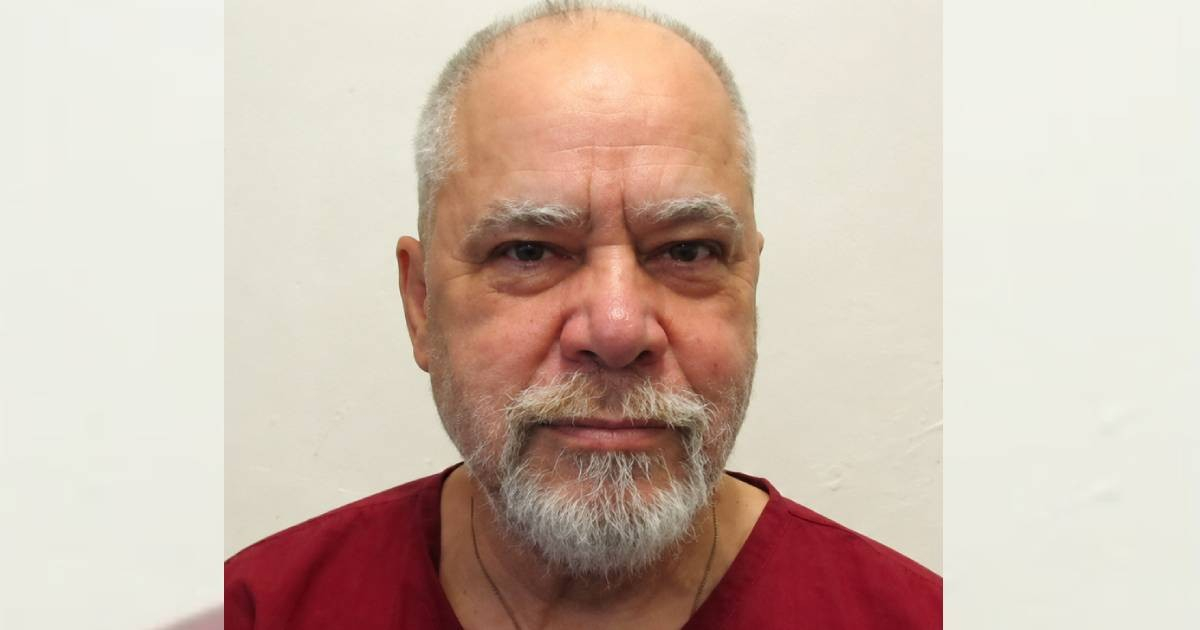
Carlos Cuesta-Rodríguez, a 70-year-old Cuban national, was executed by lethal injection on Thursday at the Oklahoma State Penitentiary in McAlester. This event transpired over two decades after he was sentenced to death for the murder of his partner, Olimpia Fisher, who was a mother of two.
The Oklahoma Department of Corrections verified that Cuesta-Rodríguez was pronounced dead at 10:13 a.m. local time. This came after his legal team and anti-death penalty organizations failed to halt the execution, as reported by Oklahoma Voice.
Cuesta-Rodríguez's conviction stemmed from the 2003 murder of Fisher, aged 43, in their shared residence in Oklahoma City.
The Gruesome Crime that Shook Oklahoma City
Prosecutors described a pattern of harassment and abuse leading up to the crime. Cuesta-Rodríguez shot Fisher twice in the eyes during a violent altercation, which was partially witnessed by her daughters. One daughter, who was pregnant at the time, saw the first shot. The other heard the gunfire, discovered her injured mother, and confronted Cuesta-Rodríguez with a baseball bat before fleeing to call 911 from a neighbor's house.
Authorities stated that Fisher initially survived the first gunshot, but Cuesta-Rodríguez fired again while police were stationed outside the home. The standoff with law enforcement lasted roughly three hours until officers entered and found Fisher's body.
Acceptance of Fate and Appeals for Clemency
In July, the Oklahoma Pardon and Parole Board voted 3-1 against recommending clemency to Governor Kevin Stitt. During the hearing, Cuesta-Rodríguez expressed an unusual acceptance of his fate, stating, "It's time for me to pay for what I did," and did not seek clemency.
His defense team argued that significant personal and medical history, which they claimed was inadequately presented at trial, should have been considered. Cuesta-Rodríguez arrived in the United States from Cuba during the 1980 Mariel Boatlift. His lawyers contended he endured an abusive childhood and later suffered a serious brain injury from a bus accident. They also noted his struggles with depression, paranoia, psychosis, PTSD, and substance abuse at the time of Fisher's murder, but these pleas did not prevent the execution.
Religious Reflection and Community Support
Anti-capital punishment groups, including Catholic Mobilizing Network, urged clemency, highlighting Cuesta-Rodríguez's return to his Catholic faith during his incarceration. They noted his conduct led to his selection as one of only four death row inmates allowed into a less restrictive communal yard.
Following his execution, supporters released a statement celebrating his transformation in prison, describing his life as one of "extraordinary beauty and tenderness within the darkest conditions," emphasizing that his legacy should not be defined by his worst actions but by his subsequent positive changes.
Conversely, Olimpia Fisher's family, while still turning to their faith, expressed a different perspective. Her daughters, Cinthya Allen and Catya Wallis, who have forgiven Cuesta-Rodríguez, stated, "Our faith in Jesus has allowed us to forgive. We hope this tragedy and loss remind everyone of the importance of domestic violence awareness."
Ongoing Debate Over Capital Punishment
Oklahoma Attorney General Gentner Drummond remarked post-execution that justice had finally been served for Olimpia Fisher, whose life was "tragically cut short," and expressed hope for peace for her family after enduring 23 years of profound grief.
Meanwhile, the Archbishop of Oklahoma City, Paul S. Coakley, voiced concern over the state's increasing use of capital punishment. "Today, I feel sorrow as the loss of life continued with Carlos Cuesta-Rodríguez's execution by lethal injection," he stated, calling for a more humane form of justice that allows for redemption and respects the dignity of all life, even those of serious offenders.
A Day of Executions in America
Cuesta-Rodríguez's execution marked the beginning of an unusual day for capital punishment in the United States, with three executions scheduled in Oklahoma, Tennessee, and Alabama—an occurrence not seen since January 2010, according to The Guardian.
This case unfolds amidst a resurgence of executions in the nation, with 47 individuals executed in 2025, nearly double the previous year's count, reflecting heightened capital punishment activity in states where it remains legal.
Key Questions on Carlos Cuesta-Rodríguez's Execution
Why was Carlos Cuesta-Rodríguez executed?
Carlos Cuesta-Rodríguez was executed for the 2003 murder of his partner, Olimpia Fisher, in Oklahoma City. He was convicted of shooting her twice in the eyes during a violent episode.
What arguments did Cuesta-Rodríguez's defense team present?
His defense argued that his troubled past, including an abusive childhood and a serious brain injury, along with mental health issues, were not adequately considered during his trial.
How did Olimpia Fisher's family respond to the execution?
Fisher's daughters expressed that their faith enabled them to forgive Cuesta-Rodríguez, and they emphasized the importance of awareness around domestic violence.