This Monday, the United States government unveiled a pair of measures that could significantly alter how ingredients used by the food industry are regulated, as well as how authorities examine ultra-processed foods. This move is part of the Trump Administration's "Make America Healthy Again" (MAHA) agenda.
Led by Robert F. Kennedy Jr., the Department of Health and Human Services (HHS), in collaboration with the Food and Drug Administration (FDA) and the Department of Agriculture, announced a proposal requiring manufacturers to notify authorities about certain ingredients they consider safe, according to a press release.
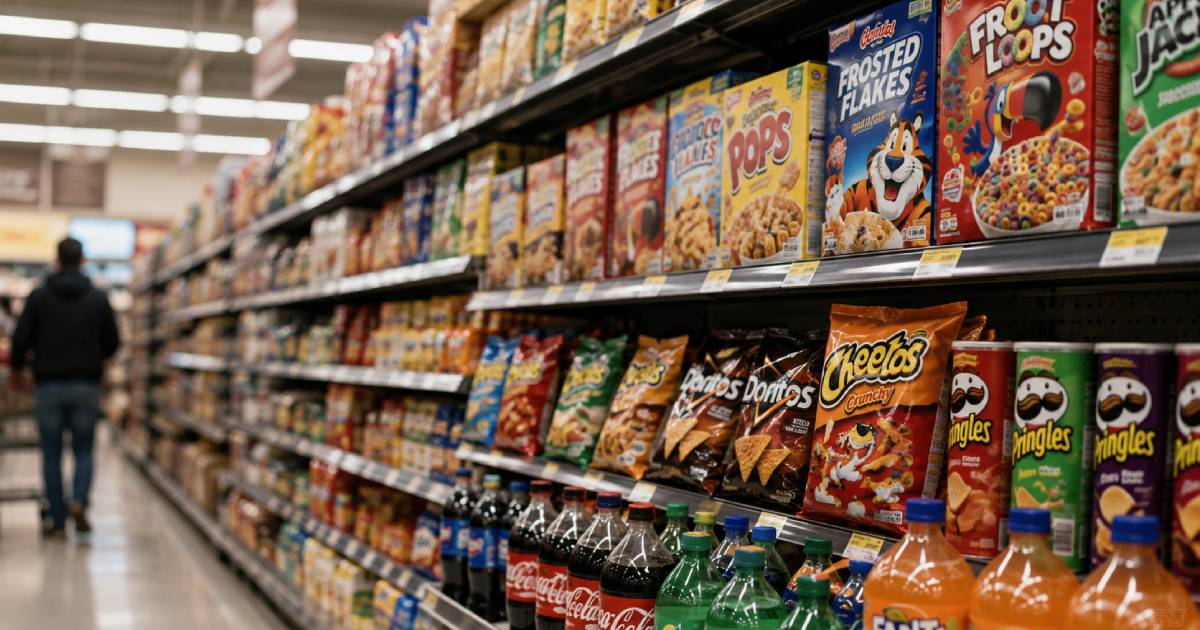
Concurrently, the government is moving forward with establishing the first-ever federal definition of ultra-processed foods. This criterion aims to unify research and lay the groundwork for future nutrition and public health policies.
Addressing Regulatory Gaps
The first measure aims to close a regulatory loophole dating back to 1958, when Congress created the Generally Recognized as Safe (GRAS) category. This designation allows manufacturers to deem certain substances safe for food use without necessarily notifying the FDA beforehand.
Kennedy argues that this system has long been a significant blind spot for regulators, to the extent that the FDA itself cannot accurately determine how many ingredients are currently present in the U.S. food supply.
The new proposal seeks to change this by making notifications mandatory, expanding the public inventory of substances used in food, and creating a streamlined procedure for reporting ingredients already on the market.
If fully approved, companies would have to provide the FDA with information on substances previously considered safe through their own procedures.
"By proposing mandatory GRAS notifications, we are addressing critical information gaps and providing the FDA with greater visibility into substances entering the food supply," stated FDA Acting Commissioner Kyle Diamantas.
The proposal will now enter a 120-day period for public comment before any final regulation can be enacted.
Defining Ultra-Processed Foods
The second initiative tackles a topic that has gained increasing traction in the discussion about diet and chronic diseases in the U.S.: what exactly constitutes an ultra-processed food.
Until now, the federal government lacked a standardized definition, complicating the comparison of studies and the establishment of uniform criteria across various agencies.
Developed over approximately 10 months, the new definition involved input from industry representatives, consumer organizations, researchers, and the public.
The stakes are high. Kennedy noted that nearly 60% of the American diet consists of ultra-processed foods, a figure that rises to about 70% among children.
The Health Secretary linked the high consumption of these products to the administration's concerns over the rise of chronic diseases and highlighted that more than one in five American children suffer from obesity.
"We cannot reverse the epidemic of chronic diseases in America without transforming our food system," Kennedy stated.
However, creating a federal definition does not mean the U.S. will automatically ban or restrict foods classified as ultra-processed. Its initial goal is to establish a common framework for federal agencies to use consistent criteria in nutrition and health research, potentially serving as a reference for future regulatory decisions.
Impact on the Food Industry
The two initiatives could have significant implications for the food industry.
Mandatory GRAS notifications would require manufacturers to document and report on ingredients they previously deemed safe, a process that could increase companies' costs and regulatory responsibilities.
Kennedy also acknowledged the limits of what can be changed solely through executive actions and urged Congress to pass legislation aimed at enhancing oversight of the food supply.
According to the Secretary, while the HHS and FDA are currently using their existing legal authority, additional tools will be needed to advance further.
Understanding the Changes in Food Regulation
What are the proposed changes to the GRAS notifications?
The proposal mandates that manufacturers notify the FDA about certain ingredients they consider safe, closing a regulatory loophole that has existed since 1958.
Why is a federal definition for ultra-processed foods important?
A standardized definition helps unify research and provides a framework for future nutrition and health policies, facilitating consistent criteria across federal agencies.
How might these changes affect the food industry?
The new requirements could increase costs and regulatory responsibilities for manufacturers, as they would need to document and report on ingredients previously deemed safe.