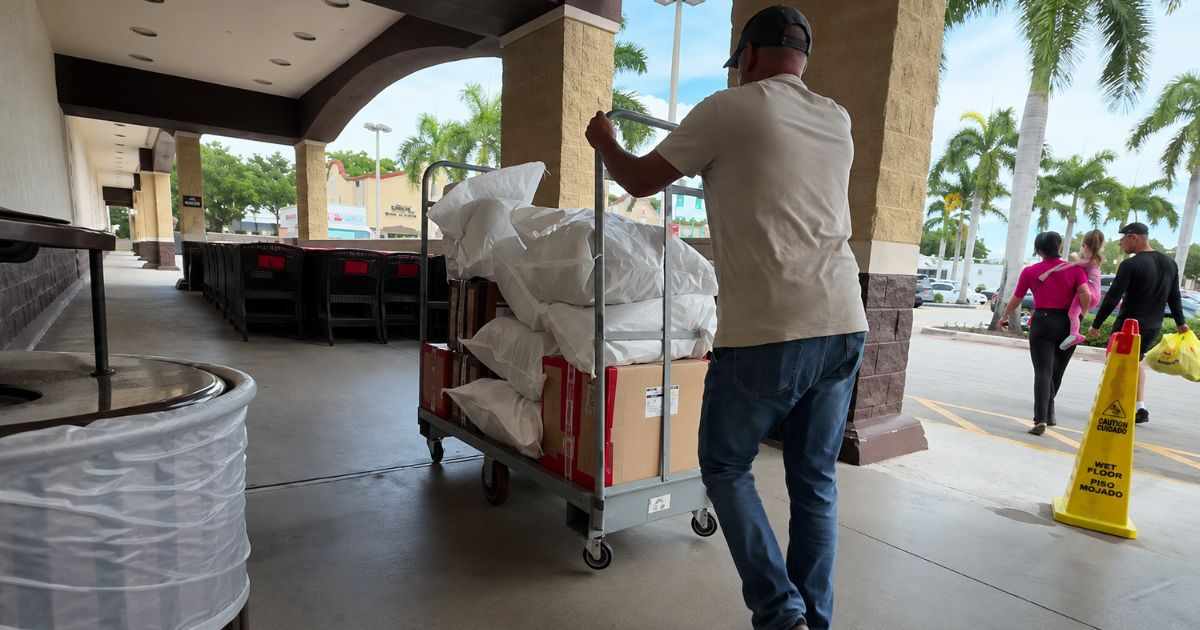
The relentless power outages in Cuba are increasingly shifting the burden of the electrical crisis onto the shoulders of relatives residing in South Florida. Many of these families report spending thousands of dollars on power stations, solar panels, shipping, and installations to ensure their loved ones in the island have access to basic electricity.
A report by Telemundo 51 gathered accounts from Cuban exiles who detailed the rising expenses of tackling an energy crisis from Miami that forces them to seek progressively more expensive solutions. "The blackouts not only plunge millions of Cubans into darkness but also drain the pockets of their relatives here in South Florida," summarized Alexis Boentes, a reporter for the station.
Portable Power Stations: A Popular Solution
One of the most prevalent solutions are portable power stations, colloquially known in Cuba as “EcoFlow,” although not all the equipment used is from that brand. Other popular brands in Cuba include “Bluetti” and “Jackery,” though various companies' products are available. Prices vary depending on factors such as battery life and the number of devices that can be connected.
One interviewee estimated that such a station could cost around $1,000 or even more. However, the ongoing power cuts complicate even the recharging of these batteries. "You could charge it for two hours and then resolve eight, for example. But now there is no electricity. How are you going to charge it? Now they have to send that and also send the solar panels," explained another Cuban interviewed by the channel.
The Financial Impact of Solar Solutions
Adding solar panels further increases the cost. One exile estimated that a package composed of a panel and portable station costs “a thousand and some dollars,” while another mentioned systems priced at $3,500, $5,000, or $7,000, depending on the equipment and its specifications.
These expenses also encompass shipping to Cuba and installation. According to one account, setting up the system once in Cuba could cost between $200 and $300, depending on its capacity and the number of panels installed.
Changing the Content of Care Packages
Interviewees explained that there are also businesses in Cuba that allow relatives to pay from the United States for a complete system with solar panels, a battery, and an inverter. However, at times it may be more practical to purchase the equipment in Florida and send it when they are scarce in Cuba.
The electrical crisis has even altered the contents of packages sent from Miami. Cuban families in Florida have started including rechargeable batteries, portable stations, solar panels, and even stoves in shipments that were traditionally focused on food, medicine, and essential items.
In the case of solar systems, Telemundo 51 noted that the Cuban government itself sells Chinese-origin equipment. The cheapest kit offered by Correos de Cuba, with a capacity of 5 kW, costs 2,530,000 pesos and does not include installation services.
Beyond the figures lie more everyday needs. One interviewee explained that his goal was to cover at least some basic things in his mother's home, including turning on the TV so she could watch her soap operas.
When asked about the total expense of "surviving" the blackouts from abroad, another Cuban admitted that it is difficult to keep track: "I think nobody keeps that account, and whoever does never sends anything again in their life."
The report concluded by noting that amid the collapse of the electrical system, Cuban authorities are encouraging the purchase and shipment of panels from abroad, while much of the cost of finding alternatives for the blackouts ends up on the families both inside and outside the island.
The financial support for family members in Cuba is not limited to electricity. A Cuban woman living abroad recently shared a purchase of $308 in basic products for her family, a figure that did not include the cost of sending the package. Another recent case showed a Cuban woman in the United States spending $91 at Dollar Tree on hygiene, cleaning, kitchen items, and school supplies for her mother and grandmother in Cuba.
Understanding the Financial Impact of Cuba's Power Crisis
Why are Cuban families in Florida financially impacted by power outages in Cuba?
Cuban families in Florida are financially impacted because they are sending expensive power stations, solar panels, and other equipment to their relatives in Cuba to help them cope with the frequent blackouts.
What types of equipment are being sent to Cuba to deal with blackouts?
Families in Florida are sending portable power stations, solar panels, rechargeable batteries, and even stoves to help their relatives in Cuba manage the power outages.
How much do these energy solutions cost on average?
The cost varies; a portable power station can start at around $1,000, while more comprehensive systems with solar panels can range from $3,500 to $7,000, depending on the specifications.