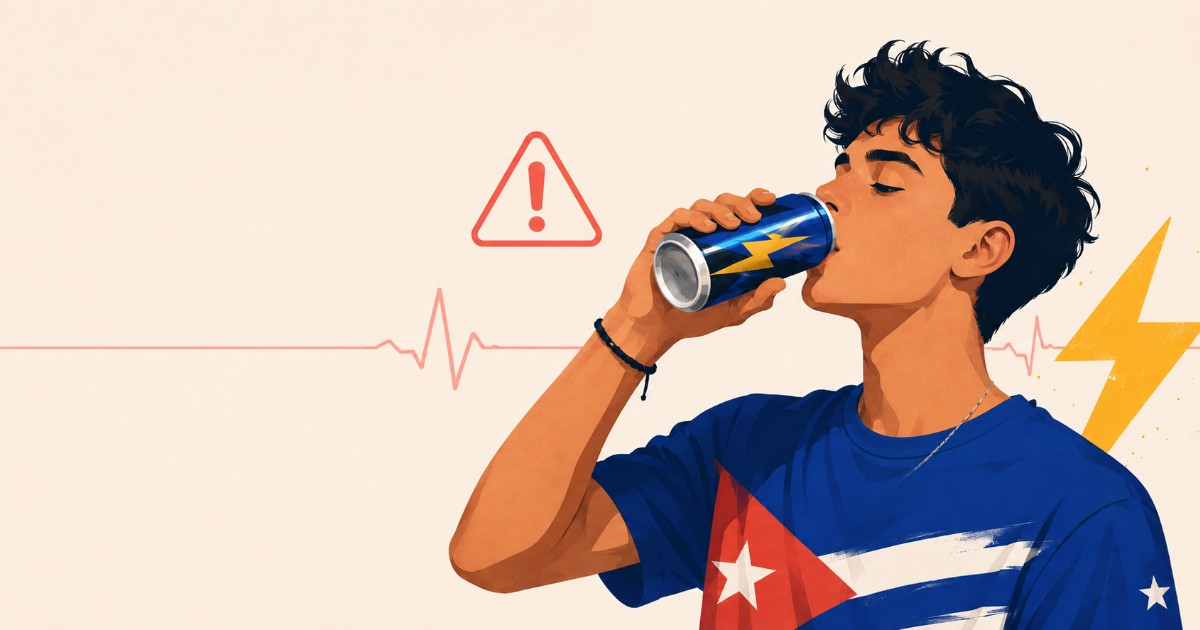
The health authorities in Holguín have raised alarms regarding the consumption of Shaka, a beverage gaining popularity among Cuban teenagers and young adults. This drink is particularly appealing to them due to the belief that it enhances alertness, extends study periods, and boosts energy levels.
The Provincial Health Directorate of Holguín has highlighted that Shaka belongs to the energy drink category, comprising a blend of caffeine, sugar, and other stimulants like taurine and B-complex vitamins.
Experts from the institution advise against the consumption of such products by adolescents because their nervous and cardiovascular systems are still maturing. They also caution about the potential adverse effects of high caffeine intake.
Some of these effects include heart palpitations, increased heart rate, elevated blood pressure, nervousness, anxiety, tremors, irritability, insomnia, and headaches.
Moreover, regular consumption may lead to caffeine dependence, adversely affecting sleep quality, concentration, and academic performance.
Public health officials also expressed concern over the tendency of some teenagers to consume these drinks before sports activities, during extended study sessions, or simply to combat drowsiness.
The warning underscores that the energy boost provided is temporary and may mask fatigue rather than address essential needs such as rest, hydration, and proper nutrition.
The Provincial Health Directorate of Holguín also cautioned about Shaka variants with flavors reminiscent of alcoholic beverages like vodka or mojito, suggesting that these presentations could normalize alcohol-related products from a young age.
"True energy doesn't come in a can. Protecting our adolescents involves teaching them to distinguish between what's trendy and what's genuinely beneficial to their well-being," concluded the Provincial Health Directorate of Holguín in their statement.
Meanwhile, the Municipal Health Directorate in Yara, Granma province, specifically addressed Shaka Mixer, noting that this version combines energy drink elements with vodka in a single can.
The publication warned that mixing alcohol and caffeine can lead to a false sense of alertness, potentially leading to increased alcohol consumption without fully understanding its effects.
Potential risks also include palpitations, anxiety, insomnia, dehydration, and increased blood pressure.
Health authorities emphasize the importance of family discussions with teenagers about such products, monitoring their consumption, and encouraging habits that promote rest, hydration, and a balanced diet, against a trend considered potentially hazardous to health.
This issue is set against a backdrop of growing concern over youth alcoholism in Cuba.
The National Health Survey, which gathered data between 2018 and 2020, revealed that 68% of respondents began drinking alcohol between ages 10 and 19, with 73% reporting alcohol consumption in the 30 days preceding the survey.
These figures represent an increase from 2010 when the latter statistic stood at 67%. The results were presented by the Ministry of Public Health in 2022.
In 2024, a Cuban health system specialist further noted that initial experiences with psychoactive substances are occurring at ages 13 and 14, amid rising consumption among adolescents and young adults.
This concern was once again highlighted last Saturday in La Sierrita, a community in Cumanayagua, Cienfuegos, where health professionals warned about a growing problem of alcoholism among adolescents and youth, also linked to psychotropic drug use and violent incidents.
Understanding the Risks of Energy Drinks in Cuba
Why is Shaka popular among young Cubans?
Shaka has gained popularity among young Cubans due to the perception that it helps them stay awake, study longer, and maintain higher energy levels.
What are the health risks associated with Shaka?
Health risks include heart palpitations, increased heart rate, high blood pressure, nervousness, anxiety, tremors, irritability, insomnia, headaches, and potential caffeine dependence.
What concerns do health authorities have regarding Shaka variants?
Authorities are concerned that Shaka variants with flavors associated with alcoholic beverages may normalize alcohol-related products at a young age, potentially leading to increased alcohol consumption.