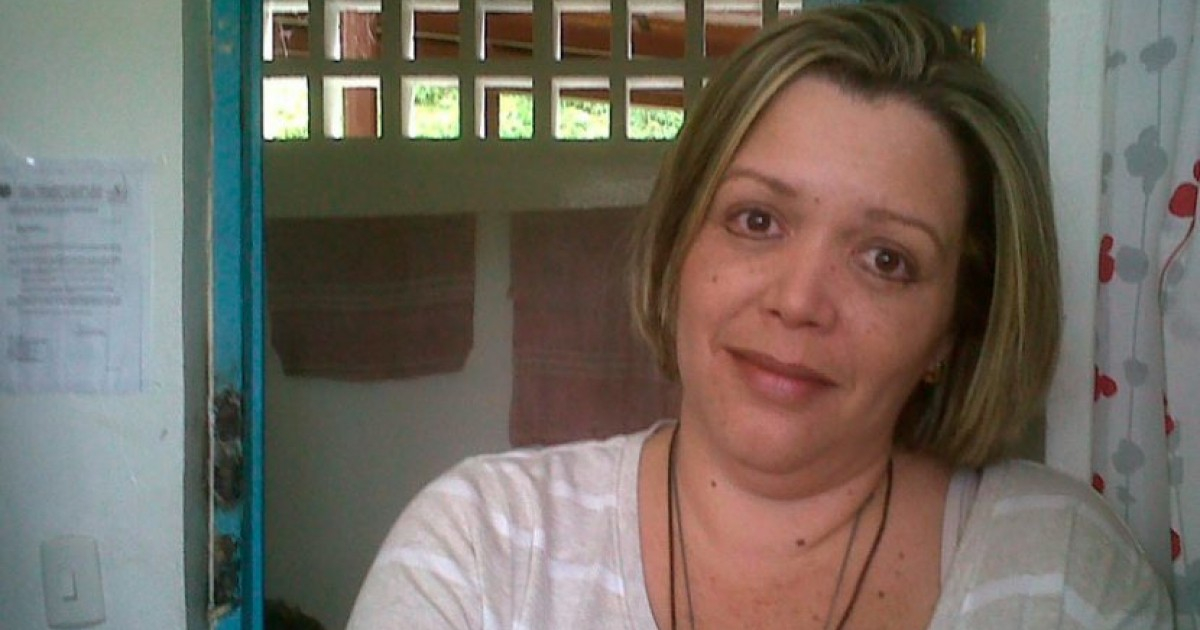
Former Venezuelan judge María Lourdes Afiuni has finally been granted complete freedom this past Saturday, marking the end of over 16 years of judicial persecution. Her case has become emblematic of the erosion of judicial independence in Venezuela under the Chávez regime.
This development was warmly welcomed by opposition leader and Nobel Peace Prize laureate María Corina Machado. She expressed her sentiments on the social network X, stating, "Finally… After 16 long and torturous years of injustice, FREEDOM for María Lourdes Afiuni!! We pray for her recovery and hope she can leave the country as soon as possible to receive immediate medical attention. We continue to fight for the freedom of EVERYONE, until the end."
The Origins of Afiuni's Incarceration
The saga began on December 10, 2009, when Afiuni ordered the release on bail of banker Eligio Cedeño, who had been held in pre-trial detention for over three years, exceeding the legal limit. The following day, then-President Hugo Chávez publicly condemned her on national television, labeling her a "scoundrel" and demanding a 30-year prison sentence. Intelligence agents arrested her that same day, earning her the nickname "Chávez's personal prisoner."
Over the years, her legal status fluctuated but the persecution persisted: she moved from incarceration to house arrest in 2011, was granted conditional release in 2013, and was sentenced in March 2019 to five years for a charge her defenders called "spiritual corruption," despite the prosecution admitting there was no financial gain involved.
A Glimmer of Freedom Amidst Continued Restrictions
In July 2019, Afiuni was released alongside 21 others — including journalist Braulio Jatar and 20 students — following a direct intervention by then-UN High Commissioner for Human Rights Michelle Bachelet with Nicolás Maduro. However, her conditional release came with stringent restrictions: a ban on speaking to the press or on social media, voting prohibitions, political disqualification, and a denial of a passport, all of which remained in effect until this past Saturday.
News of the case's definitive closure arrived while Afiuni was hospitalized, suffering from dizziness, vomiting, and hypertension, and had been diagnosed with three tumor lesions requiring urgent medical care.
A Symbol of Judicial Misuse and Human Rights Violations
Her brother, Nelson Afiuni, and the family's legal representative, Thelma Fernández, issued a statement describing the decision as "the end of a long and painful chapter marked by serious human rights violations and breaches of due process." They cautioned, however, that "the definitive closure of this file does not erase the suffering endured nor does it, by itself, repair the damages caused."
Afiuni's release is part of a broader wave of political prisoner releases in Venezuela since Nicolás Maduro's capture by U.S. forces in January 2026. It coincides with ongoing talks for democratic transition between the government of interim President Delcy Rodríguez and opposition factions, backed by the United States.
The family’s statement concluded with a broader warning: "The case of Judge María Lourdes Afiuni remains a cautionary tale for the entire region about the consequences of using the justice system as a tool of reprisal against those who perform their duties with independence and impartiality."
Understanding the Afiuni Case and Its Implications
Who is María Lourdes Afiuni?
María Lourdes Afiuni is a former Venezuelan judge who became a symbol of judicial persecution under the Chávez regime after ordering the release of banker Eligio Cedeño in 2009.
What led to her arrest and imprisonment?
Afiuni was arrested after then-President Hugo Chávez publicly denounced her for granting bail to Eligio Cedeño, who was held in pre-trial detention beyond the legal period. Chávez demanded a 30-year sentence for Afiuni, leading to her arrest by intelligence agents.
What were the conditions of her release in 2019?
Though released, Afiuni faced severe restrictions, including bans on media engagement, voting, political participation, and travel, which were only lifted recently.