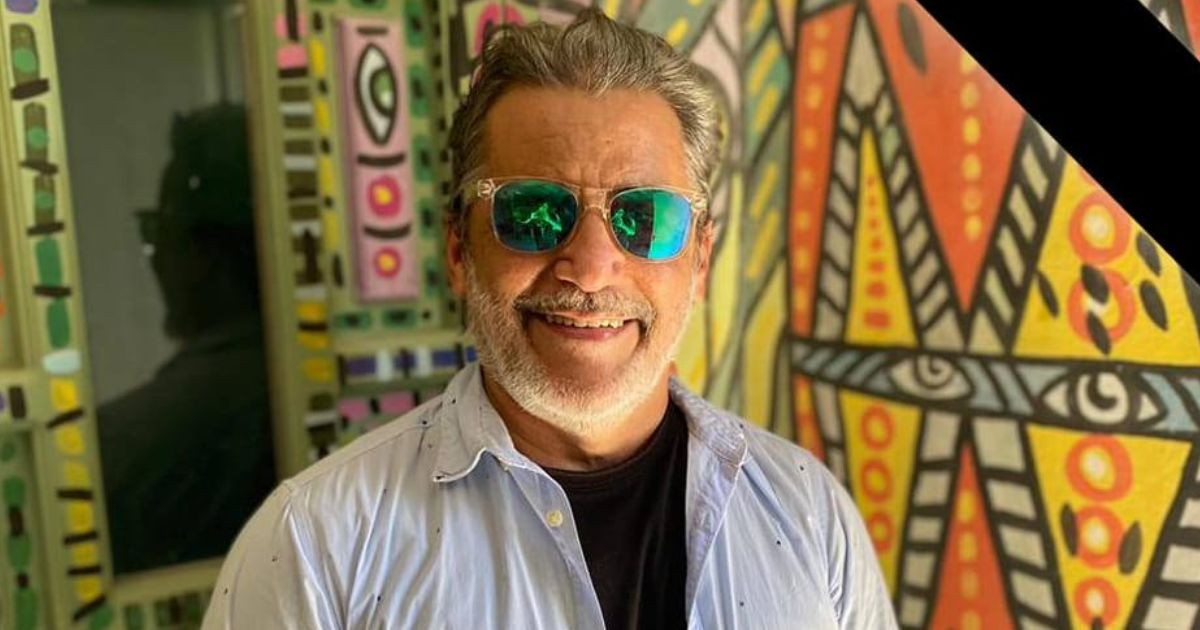
Julio César González Pagés, a prominent Cuban intellectual, unleashed a fierce criticism on Saturday against the notion of "creative resistance" amid the ongoing crisis plaguing the island. He questioned the continued rhetoric of endurance while numerous individuals endure prolonged blackouts, lack of water and food, patients without medication, and severe emotional stress.
"I don't believe in the hollow idea of creative resistance from those who haven't experienced entire days of blackouts, water shortages, lack of food, and the mental distress from health issues," González Pagés expressed in a Facebook post. He admitted feeling unmotivated to write about Cuba's current situation for several days.
His message stems from a straightforward idea: witnessing what he describes as the "destruction" of Cuba is disheartening, especially amidst the polarization where ideological discourses and the blame game seem to overshadow the everyday lives of the people.
Criticism of Comfortably Positioned Promoters
González Pagés was even more critical when addressing those who, from comfortable positions, advocate the idea of resistance. "The happy, well-fed people in their shirts and hats will one day pay for the structural damage they inflicted on a nation that wasn't allowed to choose another path," he declared.
The mention of "creative resistance" directly challenges a concept long used by the Cuban leadership to frame the ability to endure the crisis as a political response.
Resistance Alone Isn't Enough
Even Cuban leader Miguel Díaz-Canel acknowledged in June that "resistance alone isn't enough"—despite being a major proponent—and emphasized the need for transformation, increased production, and the removal of internal barriers.
In his latest post, González Pagés also made it clear he has no intention of leaving Cuba. "I won't leave Cuba for anywhere," he stated, while noting his plans to travel to Morocco in the latter half of 2027.
He concluded this section of his reflection with a bleak metaphor about the nation's future: "This ship/island will sink first, and history will tell the new direction taken by the surviving frogs."
Critique Extends Beyond Cuban Borders
However, the intellectual did not limit his criticisms to within Cuba. He also challenged a segment of the exile and emigrant community who, he suggests, take pleasure in watching the U.S. government "tighten and suffocate" the entire population as punishment for the Cuban authorities—whose leaders and associates, he noted, don't suffer the same hardships.
This critique of certain sectors of the diaspora has appeared in previous statements. At the end of June, González Pagés criticized Cuban emigrants in Spain who accuse those remaining on the island of cowardice, reminding them that some enjoyed privileges tied to the very system they now oppose from abroad.
Weeks later, he highlighted the disparities between the elite and the average Cuban when discussing Raúl Guillermo Rodríguez Castro, known as "El Cangrejo." González Pagés contrasted the privileged world surrounding Raúl Castro's grandson with the harsh reality faced by those living without medication, food, water, or electricity.
Understanding the Impact of "Creative Resistance" in Cuba
What is "creative resistance" in the context of Cuba?
"Creative resistance" is a term used by the Cuban leadership to describe the ability of the population to endure ongoing crises as a form of political response.
Why does González Pagés criticize this concept?
González Pagés criticizes the concept because he believes it ignores the severe hardships faced by ordinary Cubans, such as blackouts and shortages, while being promoted by those in comfortable positions.
How has the Cuban government responded to the idea of resistance?
Cuban leader Miguel Díaz-Canel has acknowledged that resistance alone is insufficient and has called for transformation and increased production to address internal issues.