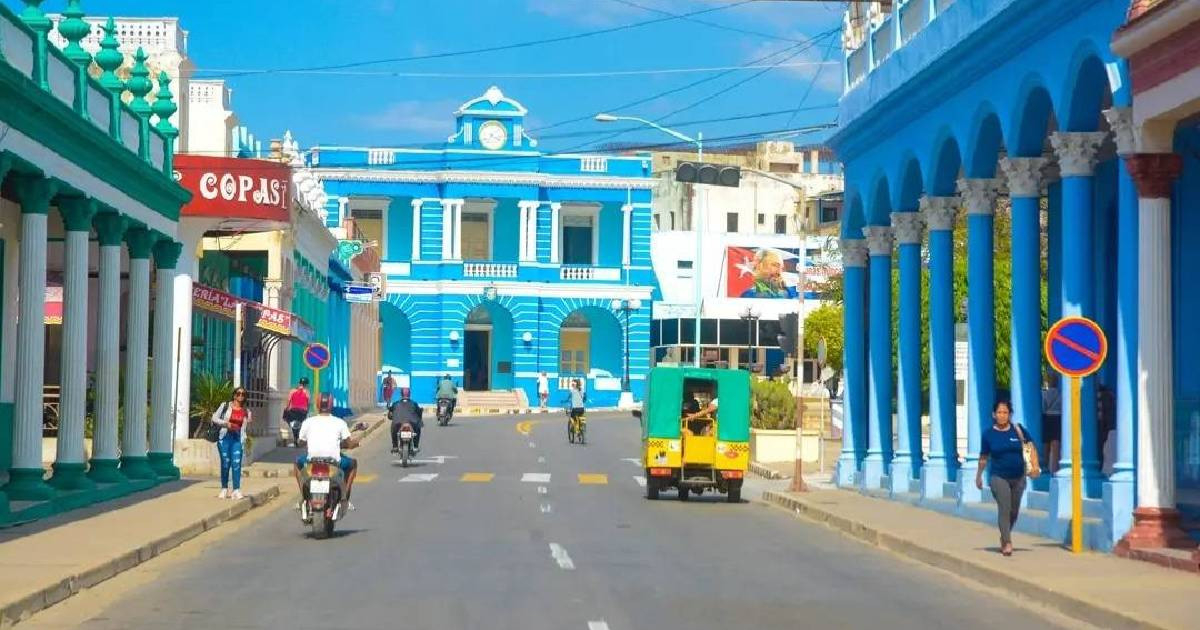
The Municipal Administrative Council of Las Tunas' capital conducted over 4,000 inspections, ultimately identifying 24 individuals engaging in excessive and speculative pricing, as reported by the official newspaper 26 on Saturday.
These inspections resulted in the issuance of more than 2,000 fines, the elimination of 478 "illegalities," and the addressing of 44 complaints from the public.
Of these fines, 72% were enforced under Decrees 30 and 91, which penalize price violations and impose harsher penalties on private entrepreneurs, small and medium-sized enterprises (SMEs), and non-agricultural cooperatives, with fines reaching up to 72,000 pesos and additional sanctions like closures and equipment shutdowns.
The most common violations found by the authorities included price manipulation, failure to use electronic payment methods, lack of operational licenses, electricity fraud, and breaches of health and sanitary regulations, the source specified.
The municipal government claimed an increase in inspections, detected violations, and fines compared to the same period in 2025, showcasing their intent to dismantle practices that disrupt social order and the local economy.
This operation in Las Tunas is part of a wave of similar actions sweeping the island this month, sparked by the price hikes following the Ministry of Finance and Prices' Resolution 150/2026, published on June 20. This resolution removed retail caps on cooking oils, cut chicken, powdered milk, pasta, and sausages.
Since then, the price of cooking oil soared from around 1,500 pesos in April to over 4,000 pesos by August, with peaks reaching 7,000 pesos in some areas, in a country where the minimum monthly wage is 3,210 pesos.
Cubans point out the contradiction; the government itself removed the price controls that led to the surge, yet now penalizes private sellers for prices their policy caused, while state-run stores with high prices remain untouched by equivalent inspections.
In provinces like Havana, authorities have levied dozens of fines and ordered forced sales in private businesses; Holguín set reference prices for oil at 2,200 pesos, while Villa Clara established formal price caps through a provincial agreement.
Las Tunas has a history of such crackdowns. In July 2024, authorities shut down 12 SMEs for violating price caps, issuing 52 fines and forcing sales, without curbing the province's structural inflation.
Economists estimate that an individual needs approximately 96,060 pesos monthly to meet basic needs, a figure that is 30 times the current minimum wage, rendering any price control effort a mere band-aid on a crisis that the regime itself has fostered.
Understanding the Price Control Crackdown in Las Tunas
Why were 24 individuals identified in Las Tunas?
They were identified for engaging in excessive and speculative pricing following extensive inspections by the Municipal Administrative Council.
What led to the crackdown on pricing in Cuba?
The crackdown was triggered by rising prices after the Ministry of Finance and Prices removed retail caps on essential goods, leading to significant price increases.
How are price violations penalized in Cuba?
Violations are penalized under Decrees 30 and 91, with fines up to 72,000 pesos and additional sanctions like closures and equipment shutdowns for private entities.