International tourism to Cuba has experienced a dramatic decrease of 60.7% during the first half of 2026, according to official figures released by the National Office of Statistics and Information (ONEI).
From January to June, the island welcomed just 387,591 international visitors, a stark contrast to the 985,606 who visited during the same period in 2025, marking a deficit of almost 600,000 individuals.
When including all travelers, such as Cuban residents abroad who aren't classified as traditional tourists, the total reaches 699,878. This figure represents merely 51.3% of the volume recorded in the equivalent timeframe of the previous year, showing a shortfall of 664,522 travelers.
The Canadian Market's Significant Decline
The Canadian market suffered the most severe decline in absolute terms, plummeting from 428,118 visitors in the first half of 2025 to 126,937 in 2026, a loss of 301,181 people.
Following Canada, the Cuban Expatriate Community saw a reduction of 45,799, the Russian Federation dropped by 42,775, and the United States decreased by 36,085 visitors.
Impact of Fuel Shortages and U.S. Sanctions
The drop in Canadian travelers can be attributed to a specific cause: in February 2026, a shortage of Jet A-1 fuel at nine international Cuban airports led Air Canada, WestJet, Air Transat, and Sunwing to halt their flights to the island.
As a result, only 511 Canadians arrived in March 2026, compared to nearly 99,000 in the same month the previous year.
This operational collapse was compounded by U.S. sanctions against GAESA, the military conglomerate controlling Cuban tourism through its affiliate Gaviota S.A. An Executive Order signed by President Donald Trump on May 1, 2026, imposed secondary sanctions on foreign businesses with commercial ties to this entity, with the Department of State setting a deadline of June 5 for cutting connections.
Exodus of International Hotel Chains
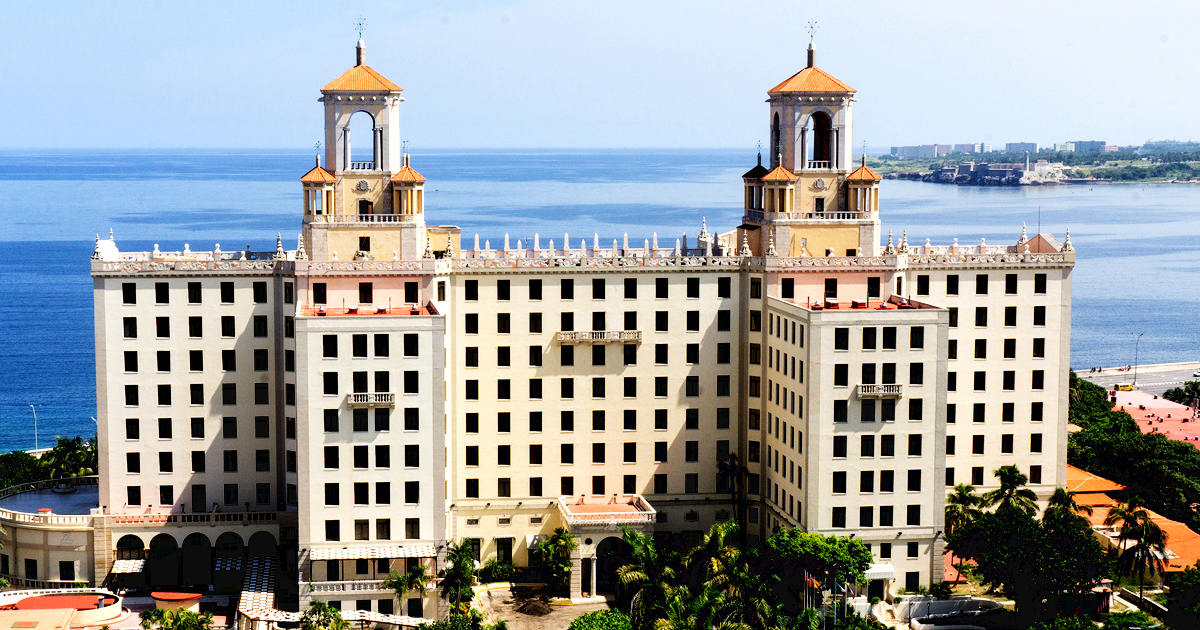
The reaction was a mass withdrawal of international hotel chains: Blue Diamond Resorts departed Cuba on May 30, leaving 62 hotels and over 12,900 rooms without operators; Iberostar ceased managing 12 of its 18 establishments starting June 1; and Meliá Hotels International confirmed the closure of its 34 hotels in July.
Overall, seven international chains ended operations, affecting 46% of the rooms managed under such arrangements.
Prime Minister Manuel Marrero Cruz admitted to the National Assembly at the end of July that "73% of Cuba's hotel facilities remain closed" and that around 25,000 workers in the sector are facing potential unemployment.
Shift in Traveler Demographics
The profile of visitors to Cuba has also shifted dramatically. According to a report by the research center Cuba Siglo XXI, drafted by Emilio Morales, nearly half of those arriving in May 2026 were Cuban expatriates, accounting for 47.6% of recorded entries, an unprecedented proportion.
These travelers typically do not stay in hotels or engage in tourist activities; instead, they come laden with food, medicine, and remittances for their families.
Hotel occupancy fell to 12.9% in May 2026, down from 23% in March 2025, leaving much of the infrastructure built over the last decade nearly empty.
This downturn occurs on an already weakened foundation: Cuba concluded 2025 with just 1.81 million international tourists, the lowest figure since 2002 and far below the official target of 2.6 million.
The Cuba Siglo XXI report concludes that "the combination of internal economic crisis, deterioration of basic services, loss of competitiveness as a destination, and recent U.S. sanctions against GAESA is accelerating the decline of a sector that for years was touted as the main engine of the national economy."
Understanding the Decline in Cuban Tourism
What caused the decline in Canadian visitors to Cuba?
The decline in Canadian visitors was primarily due to a shortage of Jet A-1 fuel at Cuban airports, leading major airlines like Air Canada and WestJet to suspend flights.
How did U.S. sanctions impact Cuban tourism?
U.S. sanctions targeted GAESA, the military conglomerate managing Cuban tourism, prompting international hotel chains to withdraw, significantly impacting the sector.
What changes have occurred in the demographics of travelers to Cuba?
There has been a significant increase in Cuban expatriates visiting the island, who now make up nearly half of the arrivals, primarily bringing essential goods for their families.