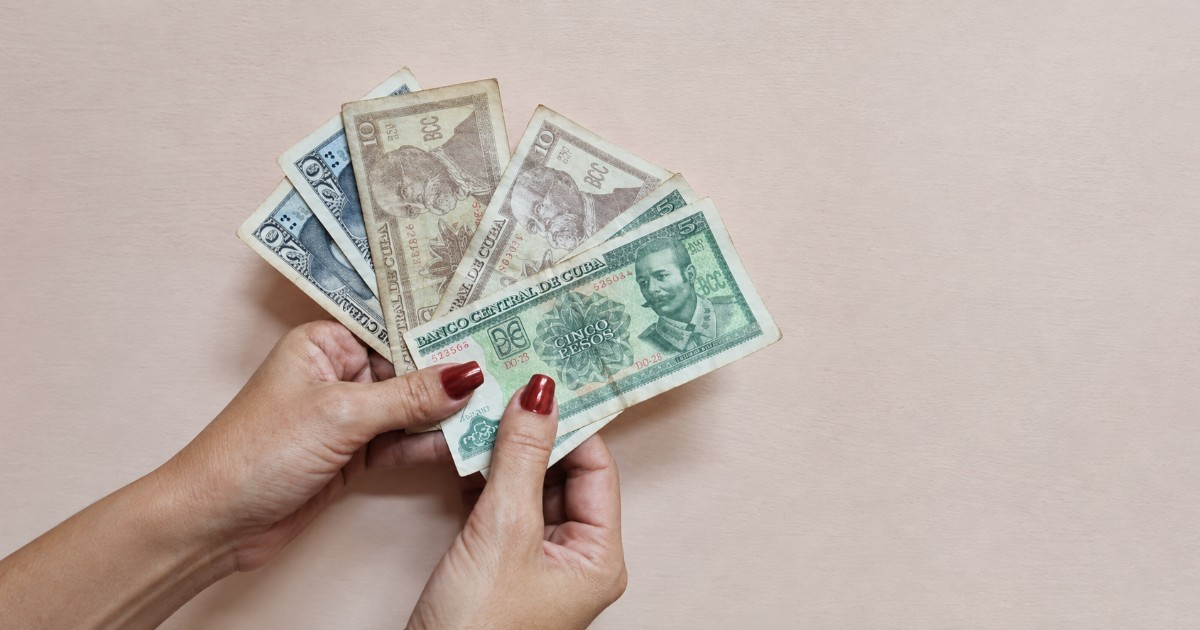
The Bank of Credit and Commerce (Bandec) in Cuba has issued a reminder that no business on the island has the authority to refuse low-denomination bills or decide independently which cash it will accept. All denominations of the national currency are still valid and considered legal tender.
This clarification was shared on Thursday through the Facebook page of Comunicadores Bandec Santiago, asserting that the Central Bank of Cuba has not banned any denomination of the Cuban peso.
"No commercial establishment decides which denominations it accepts; it is the customer who chooses how to pay and in what form," the post emphasized.
Bandec pointed out that consumers have the option to pay online, use point-of-sale terminals—known as POS or TPV—or pay with cash.
The announcement did not specify potential penalties for businesses that refuse to accept legally valid bills.
The repetition of such official statements highlights that the ban on refusing bills has not stopped the practice from spreading.
Amidst inflation, the devaluation of the peso, and a cash shortage, it is the consumers who bear the brunt of the monetary chaos.
This clarification follows reports of numerous private businesses in Santiago de Cuba starting to reject one, five, 10, and 20 peso bills, citing that their suppliers also do not accept them.
This practice particularly impacts retirees and workers who receive cash payments from state banks.
Some consumers have complained that despite having legal tender, they are unable to use it to purchase food and other basic necessities.
Bandec had previously issued a similar warning in Ciego de Ávila. In early July, the institution described the refusal of five, 10, and 20 peso bills as a "blatant violation of citizens' rights" and reminded that no economic entity can select which denominations it will accept.
However, the issue is not confined to Santiago de Cuba or Ciego de Ávila. In Mayabeque, an animal protection group reported that a small business refused their 20 peso bills, even though the establishment did not accept bank transfers either.
The refusal to accept various payment methods traps consumers: some businesses reject small bills, while others demand cash and refuse to process bank transfers.
A young Cuban recently reported that he was unable to buy food because multiple businesses refused to accept the money he had in his bank account.
Common Questions about Payment Practices in Cuba
Why are businesses in Cuba refusing certain bills?
Many businesses claim their suppliers do not accept low-denomination bills, prompting them to refuse these bills from customers as well.
What payment methods are available to consumers in Cuba?
Consumers in Cuba can choose to pay online, use point-of-sale terminals, or pay with cash.
What are the consequences for businesses that refuse legal tender in Cuba?
While Bandec's announcement did not detail specific penalties, refusing legal tender is considered a violation of citizens' rights.