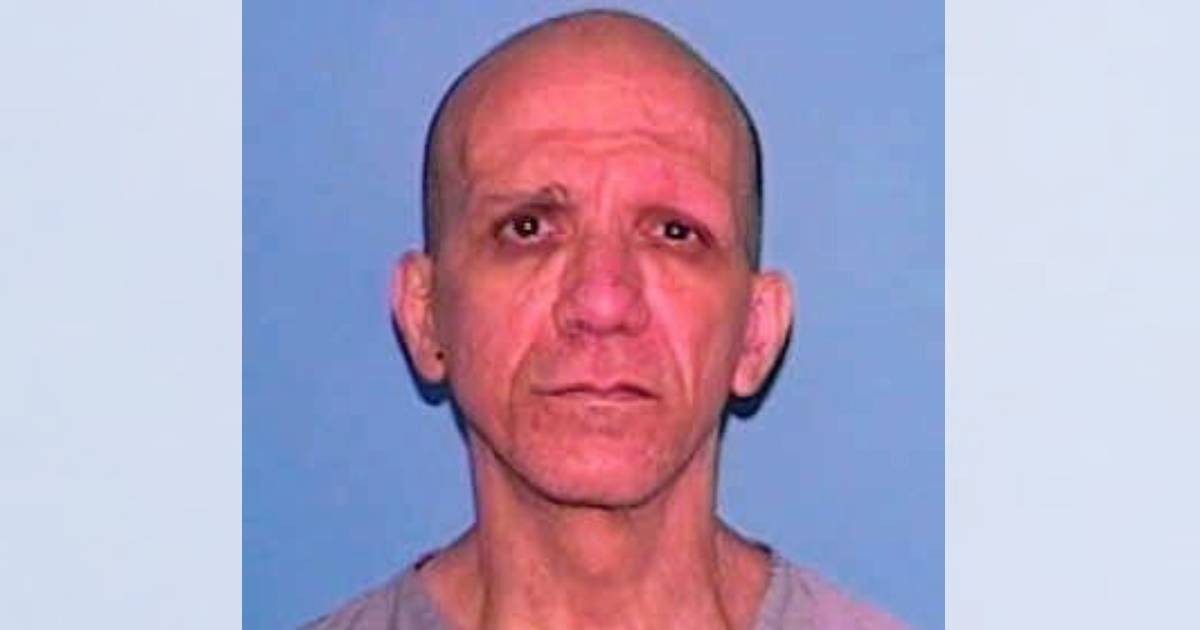
A chilling criminal case from Miami in the 1990s has resurfaced, capturing public attention once more. The show "Unseen Serial Killers of America" on the Oxygen channel has spotlighted the Cuban Francisco del Junco, who was convicted of the horrific murders of four women between 1995 and 1996.
According to The Cinemaholic, the episode titled "The Cross-Country Killer" is part of the series' second season. It meticulously details the investigation that eventually identified the killer after months of fear and uncertainty in the Allapattah neighborhood, where the crimes took place.
The Dark Journey from Cuba to Miami
Born in Cuba on August 3, 1957, Del Junco arrived in the United States during the 1980 Mariel Boatlift, a massive exodus that brought approximately 125,000 Cubans to South Florida.
The documentary reveals that Del Junco struggled with severe mental health issues from a young age. Once settled in Miami, he was frequently hospitalized for psychiatric treatment. His criminal record included petty crimes such as theft, vagrancy, and assaulting a police officer.
The Trail of Fear and Death
In August 1995, a series of murders began, spreading fear among women in vulnerable situations. The victims were Vida Hicks, 43; Diane Nelms, 44; Cheryl Ray, 37; and Janice Cox, 37. Investigations revealed that Del Junco lured these women with promises of food, drugs, or sex, then bludgeoned them to death with metal pipes and attempted to burn their bodies with gasoline.
Breakthrough in a Ten-Month Investigation
The investigation dragged on for nearly ten months as police hunted for a serial killer who left no clear evidence behind. A pivotal moment came when a homeless woman survived an attack after rejecting Del Junco's advances. Her detailed description of the attacker allowed detectives to focus their investigation on him.
Del Junco was apprehended on June 3, 1996, carrying a gas can and matches. His military boots matched footprints found at several crime scenes. Instead of confronting him with the evidence right away, investigators chose to build rapport during interrogations.
This approach succeeded. Within hours, Del Junco confessed to the murders and led detectives to various sites, providing details that only the perpetrator would know. His confession cleared another suspect who had been under investigation.
A Controversial Trial and Sentence
The trial took place in 2003, where the defense argued Del Junco suffered from mental disorders and claimed he acted under the influence of a supposed santería priestess.
A Miami-Dade County jury found him guilty on four counts of first-degree murder. During sentencing, Jeanine Hicks, the daughter of one victim, delivered a poignant message about her mother, acknowledging her struggles but affirming her love.
Due to Del Junco's psychiatric condition, the judge ruled out the death penalty, instead sentencing him to four consecutive life terms without parole.
Now 69, Del Junco remains incarcerated at the Tomoka Correctional Institution in Daytona Beach, where he will spend the remainder of his life.
Insights into the Francisco del Junco Case
Who was Francisco del Junco?
Francisco del Junco was a Cuban immigrant who arrived in Miami during the Mariel Boatlift. He was convicted of murdering four women in Miami between 1995 and 1996.
What was the turning point in the investigation?
The investigation took a decisive turn when a homeless woman survived an attack by Del Junco and provided a detailed description, which led detectives to focus on him as the primary suspect.
How did investigators secure Del Junco's confession?
Investigators built a rapport with Del Junco during interrogations, which ultimately led him to confess to the murders and provide detailed accounts of the crimes.