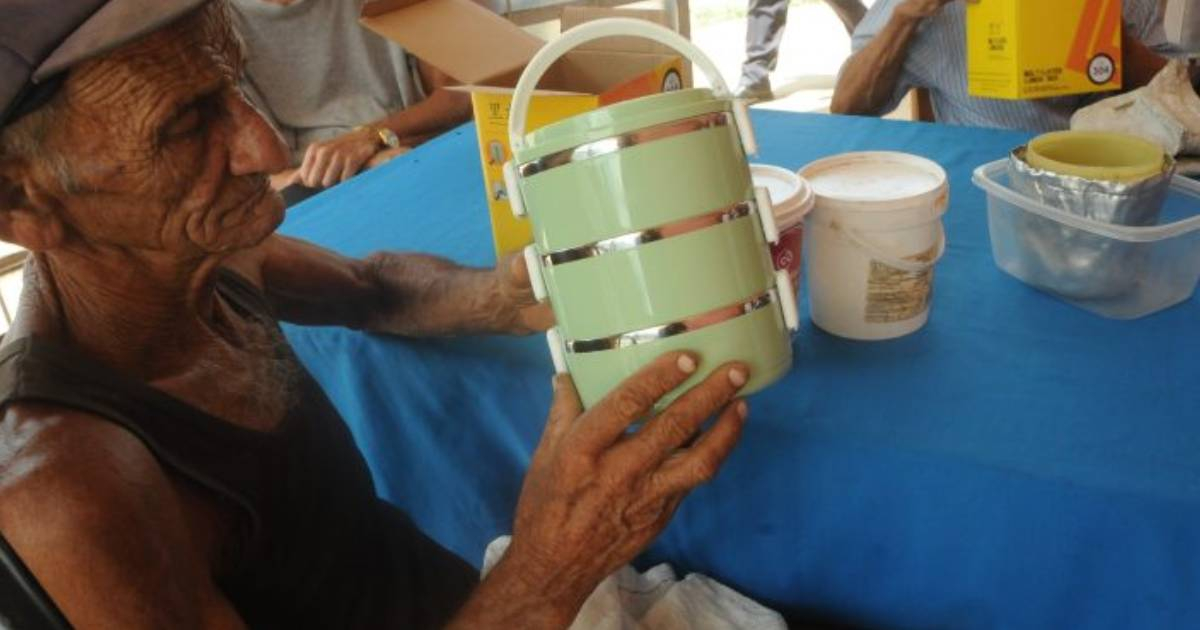
In a significant shift, the Cuban government has sanctioned small and medium-sized enterprises (SMEs), self-employed individuals, state entities with worker cafeterias, and non-profit organizations to take over the management of Family Support System (SAF) cafeterias. This subsidized meal program caters to vulnerable populations. The move, announced Tuesday in the Extraordinary Official Gazette No. 85, underscores the state's inability to single-handedly sustain one of its key social assistance initiatives.
Official changes, namely the Council of Ministers' Agreement 10418 and the Ministry of Domestic Trade's (MINCIN) Resolution 14/2026, will be implemented a week after publication, approximately on August 11. These replace rules set barely a year ago, highlighting the government's swift adaptation efforts in response to the escalating economic and food crisis.
Expansion of Service Models
The reform officially broadens the service models for SAF's culinary offerings. While state-run Commerce establishments remain central, businesses with cafeterias, non-state management forms, and non-profit organizations can now participate. In rural or remote areas, services may even be provided by community food homes or individuals from their own residences.
Betsy Díaz Velázquez, Minister of Domestic Trade, framed this initiative as part of the government's economic reforms. "A service offered in a culinary unit can now be managed by both state and non-state economic actors outside traditional commerce," she stated. This means a company with certain achievements and income might choose to manage these units, serving SAF beneficiaries and ensuring quality service.
Economic Viability Concerns
The initiative aims to allow companies or private entities to manage these facilities without altering the program's subsidized nature. "Despite non-state management, beneficiaries will be identified locally by social policy groups," Velázquez assured.
However, the new regulation leaves significant questions about the economic feasibility of this model. An analysis by independent outlet El Toque highlights that while prices will be set by the Ministry of Finance and Prices, and provincial and municipal finance departments will fund the subsidies, the exact compensation for new managers and cost recovery mechanisms remain unspecified.
Management Obligations
Those managing these facilities face substantial obligations. Resolution 14/2026 mandates two daily meals with certified nutritional contributions from the National Institute of Hygiene, Epidemiology, and Microbiology, home delivery for those unable to travel, and compliance with sanitary and infrastructure standards, including food preservation equipment, water availability, cooking capacity, functional bathrooms, and accessibility for individuals with mobility challenges.
The program targets primarily elderly individuals living alone, people with disabilities without family support, and vulnerable families lacking cooking facilities. Pregnant women requiring nutritional support due to economic conditions may also benefit exceptionally.
Context of Food Crisis
This opening comes amid the worst food crisis Cuba has faced in decades. The Food Monitor Program reported in May 2026 that 96.91% of the population lacks adequate food access, 33.9% of households had someone go to bed hungry the previous month, and 55.6% of those over 60—the main SAF demographic—reported losing complete access to food.
In this dire context, the Cuban state has frequently turned to international aid to keep SAF cafeterias operational. Recently, the World Food Program provided 106 tons of canned meat for 130 SAF cafeterias in Villa Clara, highlighting the government's inability to supply them independently.
Broader Economic Reforms
The SAF's flexibility is part of 176 economic measures announced by the regime in June 2026 to increase private sector involvement in traditionally state-dominated activities. The same Official Gazette also enacted standards for Neighborhood Markets and new wholesale and retail markets, encouraging non-state actors' participation and even foreign investment. Notable fiscal incentives include a 5% retail sales tax reduction for Neighborhood Market participants and complete sales tax exemption for non-state actors engaging in wholesale trade of imported goods for the domestic market.
During her presentation, Díaz Velázquez reaffirmed the government's stance on "subsidizing people, not products," a policy reiterated over the years, now coupled with delegating some food assistance to private entities amid economic decline diminishing the state's capability to maintain its social programs.
FAQs on Cuba's Family Meal Program and Economic Reforms
What changes have been made to Cuba's Family Support System (SAF)?
Cuba now allows SMEs, self-employed individuals, and non-profit organizations to manage SAF cafeterias, expanding management beyond state control.
What are the main responsibilities for those managing SAF facilities?
Managers must provide two daily meals with certified nutrition, offer home delivery to those unable to travel, and meet specific sanitary and infrastructure standards.
Why is Cuba opening SAF management to private entities?
The government aims to enhance service quality and economic efficiency amid an ongoing food crisis and declining state capabilities.
How does this reform fit into broader economic changes in Cuba?
It's part of 176 measures to increase private sector involvement in traditionally state-controlled areas, alongside new neighborhood and wholesale market initiatives.