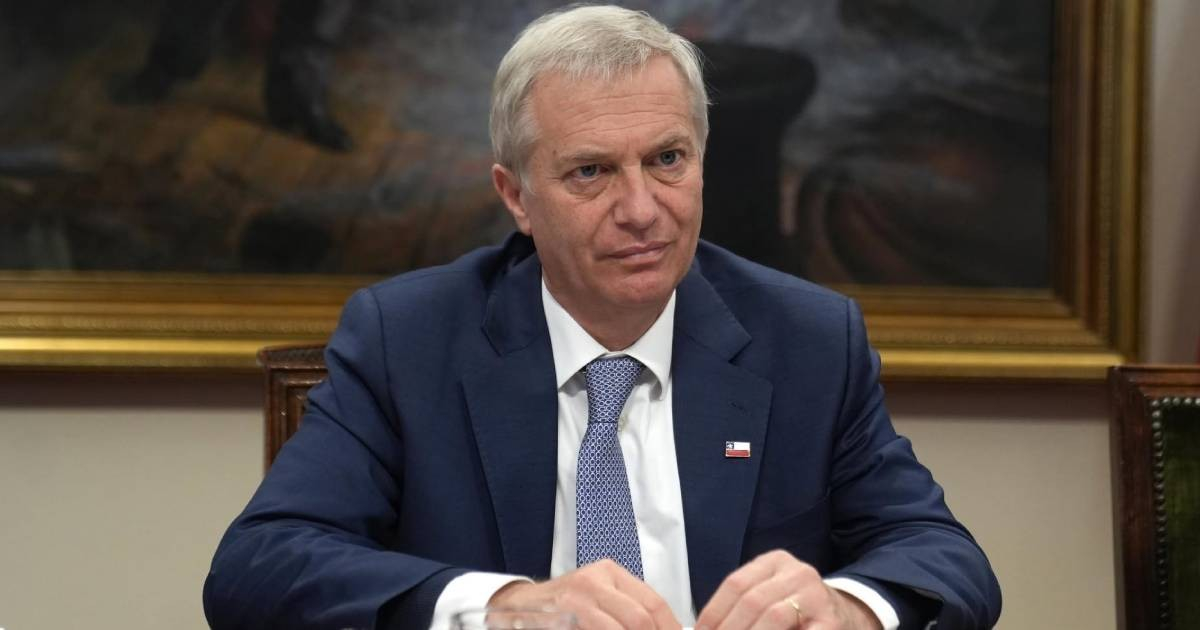
The administration of President José Antonio Kast officially announced on Wednesday that Chile will be leaving the Non-Aligned Movement (NAM), ending a 55-year association with the group. This decision signifies a new phase of distancing from Havana and alters a long-held pillar of Chilean foreign policy.
As reported by The Clinic, the Chilean Foreign Ministry instructed its United Nations mission to withdraw "fully and immediately" from the organization. This directive was communicated via a verbal note, received by the current NAM chair, Uganda, and disseminated among its over 120 member states.
In a statement, the Ministry of Foreign Affairs justified the move, stating that the movement "was created in a different global context and does not address the new challenges and current international realities." Despite this, the ministry affirmed that Chile will continue to advocate for multilateralism through other international platforms.
This decision holds particular significance for Cuba. The island nation is one of the founding members of the Non-Aligned Movement and has long used it as a vital diplomatic stage to advocate for resolutions and declarations supporting the end of the U.S. embargo.
Earlier this year, in July, Uganda spoke on behalf of NAM at the UN General Assembly to demand the lifting of economic sanctions against the Cuban regime. During this vote, Chile chose to abstain, marking a shift from the stance it held under Gabriel Boric's government.
Kast's decision to leave the bloc aligns with other actions highlighting a changing relationship with Havana. In June, the Chilean president declared that "there is no democracy" in Cuba, describing the island's political system as a "decades-long dictatorship," and expressed support for potential U.S. intervention to facilitate political change.
Chile initially joined the Non-Aligned Movement in 1971 under Salvador Allende's government. During Augusto Pinochet's dictatorship, its role was reduced to observer status until full membership was restored with the return of democracy in 1990.
Exiting the bloc is part of a broader overhaul of foreign policy spearheaded by Kast. In recent months, his administration has also rescinded support for Michelle Bachelet's candidacy for UN Secretary-General and decided to withdraw from the United Nations Committee on the Exercise of the Inalienable Rights of the Palestinian People.
Several ex-diplomats and international relations experts have raised concerns about this decision. Former Deputy Foreign Minister Gloria de la Fuente noted that NAM has historically been a crucial forum for Chile's engagement with countries of the so-called Global South and cautioned that leaving the organization might diminish the country's influence in future international negotiations.
While the government maintains that the move is part of updating its international strategy, Chile's departure also delivers a symbolic blow to the Non-Aligned Movement, where Cuba has maintained significant political influence for over six decades.
Implications of Chile's Departure from the Non-Aligned Movement
Why did Chile decide to leave the Non-Aligned Movement?
Chile's government stated that the Non-Aligned Movement was created in a different global context and does not address the current international challenges, prompting the decision to leave.
How does Chile's exit impact its relations with Cuba?
Chile's departure signals a distancing from Cuba, as the island is a founding member of the movement and has used it to gain diplomatic support against the U.S. embargo.
What are the broader foreign policy changes under President Kast?
President Kast's administration has been revising foreign policy, including withdrawing support for Michelle Bachelet's UN Secretary-General candidacy and leaving the UN Committee on Palestinian Rights.