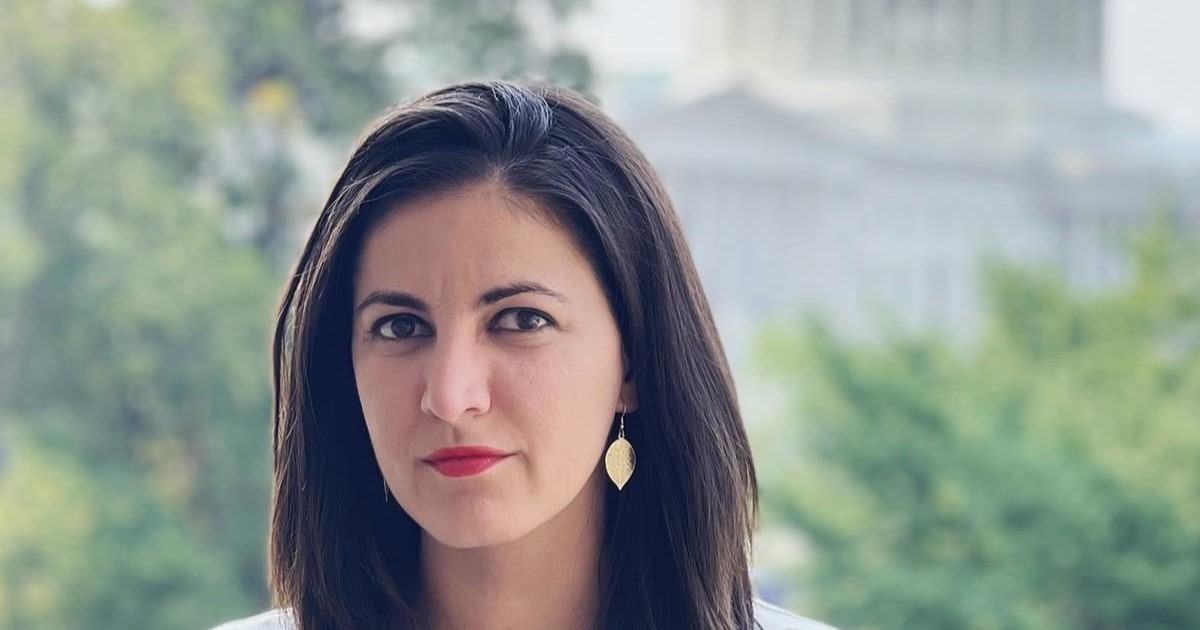
Cuban activist and opposition figure Rosa María Payá sounded the alarm on Monday, declaring that the Cuban people are enduring a humanitarian disaster not due to the U.S. embargo, but because of a regime that has amassed fortunes overseas while its citizens suffer from shortages and repression.
"Cubans are facing a humanitarian catastrophe instigated by a dictatorship holding billions of dollars in foreign accounts," Payá stated in a message on X. She is the founder of Cuba Decide, an initiative advocating for a binding plebiscite to initiate democratic transition on the island.
Payá emphasized that the only viable solution is systemic change: "Democratic transformation is the path to overcoming this crisis."
She also urged international action: "Human suffering is escalating, and the regime responds only with increased repression."
A Nation in Crisis
The statement comes amid the worst humanitarian crisis Cuba has experienced in decades. The electrical grid suffered its fourth complete failure of the year on July 10, 2026, leading to power outages lasting between twenty to twenty-five hours daily in several provinces.
In April 2026, organizations monitoring the crisis reported that 461 out of 651 essential medicines were unavailable in state pharmacies.
The United Nations made an appeal for $94 million to assist nearly two million affected Cubans, yet by mid-May, the funding gap exceeded $60 million.
In response, the U.S. government pledged up to $100 million in aid, distributing funds through the Catholic Church and independent NGOs to prevent regime interference.
Meanwhile, the European Commission announced an additional €10 million in humanitarian aid in July.
The Regime's Wealth Under Scrutiny
Payá's claims about the regime's resources are supported by documentation. A BBC report based on documents leaked to the Miami Herald estimated the assets of GAESA—a business conglomerate run by the Cuban military—at a minimum of $17,894 million as of March 2024, although the BBC noted it could not independently verify these figures.
Just days before her statement, Payá had described GAESA as a "private company of the Castros, with billions of dollars in foreign accounts," labeling these funds as stolen from the Cuban people.
In contrast, the Cuban regime denies the characterization of a humanitarian crisis. On July 1, 2026, Foreign Minister Bruno Rodríguez refuted claims that Cuba is experiencing conditions akin to a pandemic, although he acknowledged severe hardships and blamed the U.S. embargo for the difficulties.
The U.S. State Department responded on Tuesday, asserting that the crisis is a "direct result of the Cuban regime, its dysfunctional economic model, and its own incompetence."
Payá, the daughter of esteemed dissident Oswaldo Payá Sardiñas—who died in 2012 under circumstances his family attributes to the regime—has consistently maintained this viewpoint over the years.
As early as December 2025, she warned that the year had left Cuba "mired in a humanitarian catastrophe" marked by shortages, blackouts, and repression. By March 2026, she described the situation as "the worst in the past six decades."
Cuba's Humanitarian Crisis: Key Questions and Answers
What is the main cause of the humanitarian crisis in Cuba according to Rosa María Payá?
Rosa María Payá attributes the crisis to the Cuban regime, which she claims has hoarded billions of dollars abroad while its citizens face shortages and repression.
How has the international community responded to the crisis in Cuba?
The international community has responded with appeals for financial aid, including a $94 million call from the United Nations. The U.S. pledged up to $100 million, and the European Commission provided an additional €10 million in humanitarian assistance.
What is GAESA, and why is it significant in this context?
GAESA is a business conglomerate controlled by the Cuban military. It is significant because it is alleged to hold substantial assets abroad, which Rosa María Payá claims have been misappropriated from the Cuban people.