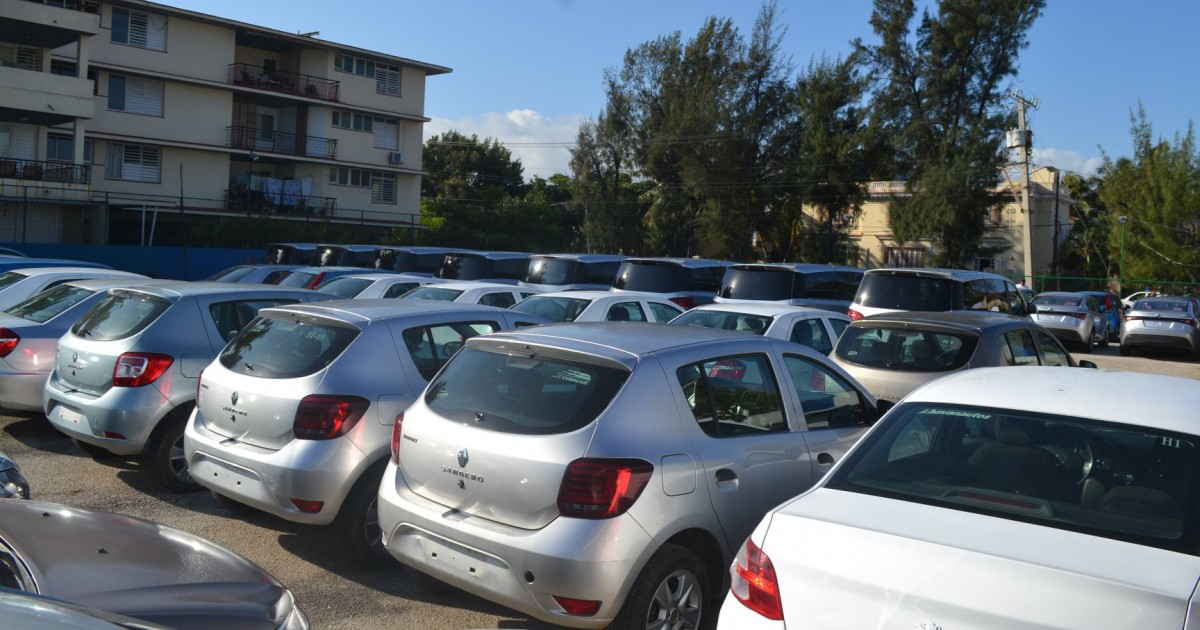
On Tuesday, Cuban authorities released a comprehensive set of regulations in the Official Gazette, reshaping the guidelines for importing, assembling, selling, and transferring ownership of motor vehicles, trailers, and semitrailers. The core of this reform is outlined in Decree 163/2026, signed by Prime Minister Manuel Marrero Cruz, set to take effect on August 11, 2026.
This new decree replaces Decree 119/2024, which had been in place since January 2025, significantly broadening what can be imported and who is eligible to do so.
Expanded Import Options
Decree 163/2026 allows for the importation of complete motor vehicles—both new and used—along with engines, engine cylinder blocks, bodies, cabins, chassis, and motorcycle frames. Cuban citizens and foreign residents in Cuba can purchase vehicles from authorized dealers, paying in U.S. dollars or other convertible currencies through mechanisms approved by the Central Bank of Cuba.
These transactions are subject to various tariffs, customs services, and taxes, depending on the vehicle type and import conditions.
Prioritizing Electric Vehicles
As part of the government's energy transformation policy, the decree provides explicit tax benefits for electric mobility. Electric vehicles imported with a charging station powered by renewable energy sources are completely exempt from taxes. Similarly, electric vehicles assembled in Cuba are not subject to the special sales tax. Additionally, any project involving the assembly or manufacturing of such vehicles must include comprehensive charging station coverage.
In June, the government had already announced that Cubans could directly import electric cars, and in May, it introduced 200 electric cars as part of this policy shift.
Non-State Entities Allowed to Assemble
A significant change in the regulatory package is the amendment to Article 229 of the Road Safety Code through Decree-Law 122/2026, adopted by the Council of State on July 22. Previously, assembling vehicles from parts and pieces was prohibited except for state entities. The new provision states: "The manufacturing and assembly of motor vehicles, trailers, and semitrailers from legally acquired parts and pieces is authorized, as determined by the Council of Ministers, to ensure quality and safety in their use."
This paves the way for non-state Cuban entities, with prior approval from the Council of Ministers facilitated by the Ministry of Transport, to import components for assembling or manufacturing mopeds, motorcycles, tricycles, and electric cars for commercial purposes. However, only entities sanctioned by the Ministry of Foreign Trade and Foreign Investment can import the necessary sets, components, and accessories for these processes.
Establishing New Control Structures
The decree establishes a Motor Vehicle Evaluation Committee, led by the Minister of Transport, empowered to approve suppliers, brands, and models. It also sets up a Public Transport Development Fund and regulates the commercialization of spare parts, aggregates, and accessories, along with technical write-offs, dismantling, and vehicle recovery.
The complete framework includes resolutions from the ministries of Foreign Trade, Domestic Trade, Finance and Prices, Transport, and the General Customs of the Republic. This regulatory framework comes months after the regime temporarily suspended the import of internal combustion vehicles in February 2026, due to the severe fuel crisis on the island.
Understanding Cuba's New Vehicle Import Rules
What vehicles and parts can now be imported into Cuba?
Decree 163/2026 permits the import of complete motor vehicles, both new and used, as well as engines, engine cylinder blocks, bodies, cabins, chassis, and motorcycle frames.
Who is eligible to purchase these vehicles in Cuba?
Cuban nationals and foreigners residing in Cuba can buy vehicles from authorized dealers, paying in U.S. dollars or other convertible currencies.
Are there any exemptions for electric vehicles?
Yes, electric vehicles imported with renewable energy-powered charging stations are fully exempt from taxes, and those assembled in Cuba are not subject to special sales taxes.