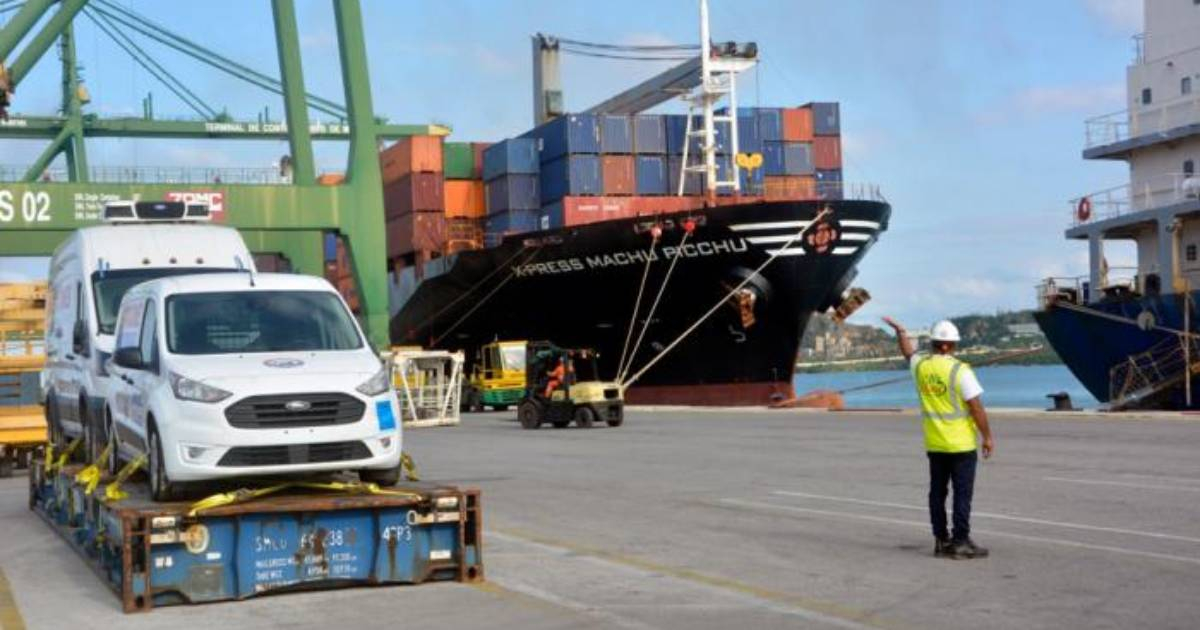
The Cuban government has implemented a new policy that restricts which vehicles can enter the domestic market. According to the latest regulations published in the Official Gazette on Tuesday, only specific brands and models, pre-approved by a newly established state body, can be imported, assembled, or manufactured in Cuba. This adds an extra layer of control over access to cars, motorcycles, and other forms of transportation.
These rules are outlined in Decree 163/2026, which restructures the laws surrounding vehicle ownership, sales, and imports. It also establishes the Automotive Evaluation Committee, led by the Minister of Transportation and comprising representatives from various state entities. The committee's main roles include evaluating and approving suppliers, brands, and models that can be commercialized in the country through import, assembly, or local manufacturing.
According to the decree, the committee is also tasked with overseeing the implementation of automotive policy and suggesting necessary adjustments. The Minister of Transportation will determine the procedures for the committee's operation.
Even if a company or organization is permitted to import vehicles, these vehicles must match the brands and models sanctioned by the committee, thereby strengthening governmental oversight over the available market options in Cuba.
A Comprehensive Reform Package
This restriction is part of a broader reform package that replaces Decree 119 of 2024 and updates the policy on buying, selling, and importing vehicles in Cuba. The reforms introduce new rules for commercialization, importation, assembly, and manufacturing of vehicles, along with incentives for electric models and the creation of a Public Transport Development Fund.
The regulations also permit the assembly and production of vehicles by state companies, foreign investment modalities, and certain authorized non-state legal entities, particularly for new electric vehicles.
Minister of Transportation Eduardo Rodríguez Dávila noted that these measures are part of an ongoing update process developed by the Ministry over the past five years. They include new decisions stemming from recent economic transformations approved by the government. Among the changes are an increase in the number of authorized dealers, the removal of the cap on purchasing six vehicles over five years, and new incentives for assembling electric vehicles.
This regulatory package also eases restrictions on vehicle assembly with state authorization and introduces tax incentives for domestic production of electric vehicles. The formation of the Evaluation Committee now introduces a new requirement: prior approval of the brands and models that can be marketed on the island.
Understanding Cuba's New Vehicle Import Regulations
What is the purpose of the Automotive Evaluation Committee?
The Automotive Evaluation Committee is responsible for evaluating and approving the vehicle brands and models that can be imported, assembled, or manufactured in Cuba, ensuring they align with the government's policies.
How do the new regulations affect vehicle imports in Cuba?
The new regulations mean that only pre-approved brands and models can be imported, adding a layer of state control over which vehicles are available in the Cuban market.
What incentives are included for electric vehicles?
The reform package includes incentives for the assembly and production of electric vehicles, such as tax incentives and the creation of a Public Transport Development Fund.