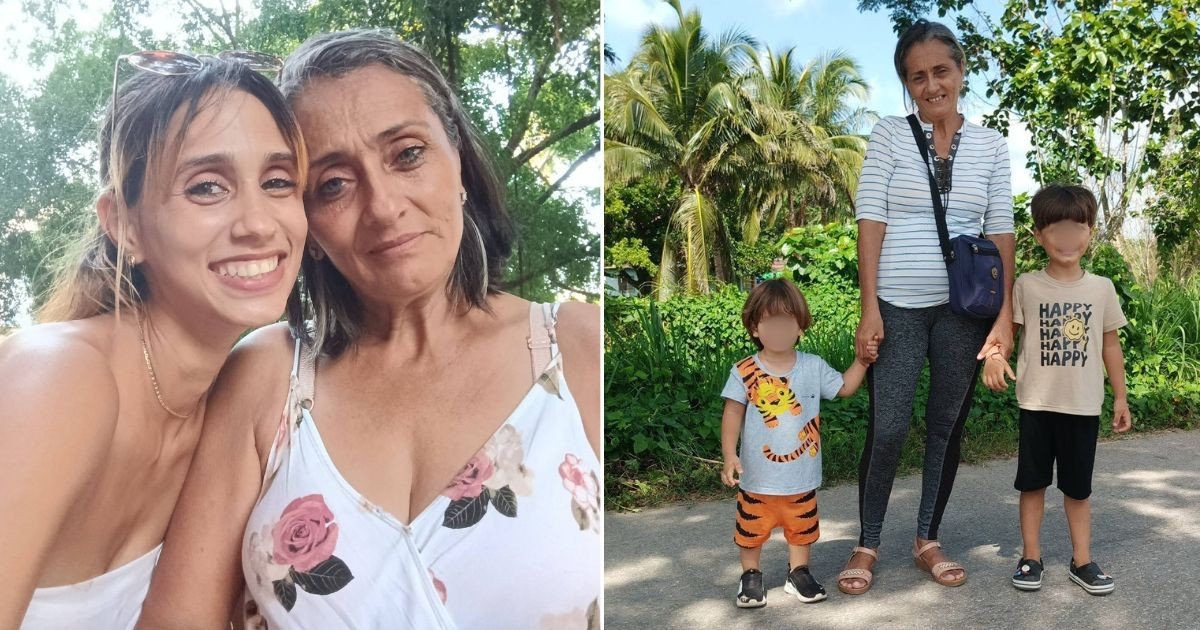
On Saturday, Odette Brito issued an urgent plea for help on the Facebook group "San Antonio de Las Vegas," located in Mayabeque, to secure the chemotherapy drugs her mother desperately needs. These medications are currently unavailable at any of the medical facilities the family has contacted in Havana.
Known in her local community as "Normita the Pharmacist," the patient was diagnosed in June with grade 2 invasive ductal carcinoma, a non-special type, accompanied by significant tumor necrosis.
The oncologist recommended an immediate treatment plan that includes adriamycin (eight vials), cyclophosphamide (four vials), and Taxol (four vials), emphasizing the urgency to begin treatment as soon as possible.
"Even though it’s in an early stage, the doctor insists on starting treatment promptly because it’s growing daily," Odette explained.
Odette further detailed that a growth indicator, which she referred to as the "growth level," increased from 3 to 5 within just 15 days, underscoring the critical need for assistance.
Desperate Search for Medical Supplies
The family's initial attempt to register the patient at the Oncology Institute fell through due to delays, forcing them to explore alternative options.
"We tried enrolling her in the oncology unit, but it wasn’t feasible due to the wait time. Without registration, you can't receive treatment there, so we had to look elsewhere quickly," Odette recounted.
Through personal connections, they managed to register her at the Joaquín Albarrán Clinical Surgical Teaching Hospital, commonly known as "Clínico de 26." Although the medical staff there showed great willingness to help, the hospital lacked the necessary medications, Odette lamented.
"The medical team is incredibly supportive, but like many of the country's issues, that hospital doesn’t have the drugs my mom needs," she wrote.
The High Cost of Informal Market Solutions
The family also tried other hospitals but found no success in locating the required drugs. Other patients undergoing the same treatment regimen informed them that the drugs were available on the informal market.
"Several people are selling the medication on the street, with prices ranging from $90 to $200 per vial," Odette noted.
If every one of the 16 prescribed vials costs within that range, acquiring them alone could total between $1,440 and $3,200, excluding other medications, supplies, and treatment-related expenses.
Financially, the family cannot bear this cost. The mother earns 4,000 Cuban pesos monthly, one son makes approximately 12,000 pesos, and the father is retired and unable to work following a stroke three years ago that left him partially paralyzed.
Odette, a homemaker with two young children aged two and four, explained that while her husband provides financial assistance monthly, it is entirely consumed by food and essentials for their six-member family.
"Clearly, 16,000 pesos isn’t enough to feed a family of six even for a week," she lamented.
A Broader Health Crisis
Odette sought any form of assistance—whether it be chemotherapy drugs, ondansetron, vitamins, other supportive care products, surgical supplies for post-treatment procedures, financial help, or simply spreading the message to reach potential helpers.
This case arises amidst a severe health and oncology crisis in Cuba. In February, the Minister of Public Health, José Ángel Portal Miranda, reported that 12,400 patients were undergoing chemotherapy as medication, fuel, and supply shortages jeopardized essential treatments.
A Think Global Health analysis from May, drawing on March data, revealed that more than 3,000 patients were awaiting chemotherapy due to a lack of essential cytostatics. Additionally, over 4,000 people were awaiting radiotherapy, and 3,541 were pending oncological surgeries.
This supply instability is not new. In 2022, BioCubaFarma officials admitted that cytostatic production would remain unstable due to funding issues and difficulties in acquiring raw materials and supplies. Medications like paclitaxel, the active ingredient in Taxol, and doxorubicin, commercially known as adriamycin, are among those affected—precisely the medicines prescribed for Odette's mother.
Similar situations have occurred across the island, where patients and their families turn to social media to find medications, supplies, or financial resources that the state system fails to provide.
Understanding Cuba's Healthcare Crisis
Why are chemotherapy drugs unavailable in Cuban hospitals?
The unavailability is mainly due to supply chain issues, funding constraints, and difficulties in acquiring raw materials. This has led to a persistent shortage of essential medications in Cuba's healthcare system.
How does the informal market affect access to chemotherapy treatments?
The informal market often offers these drugs at exorbitant prices, making them inaccessible to many families. While it provides an alternative source, the high cost puts significant financial strain on patients already struggling with medical expenses.
What are the implications of delayed treatment for cancer patients in Cuba?
Delays in treatment can lead to the progression of cancer, reducing the chances of successful outcomes. Early and consistent access to prescribed treatments is crucial for managing the disease effectively.