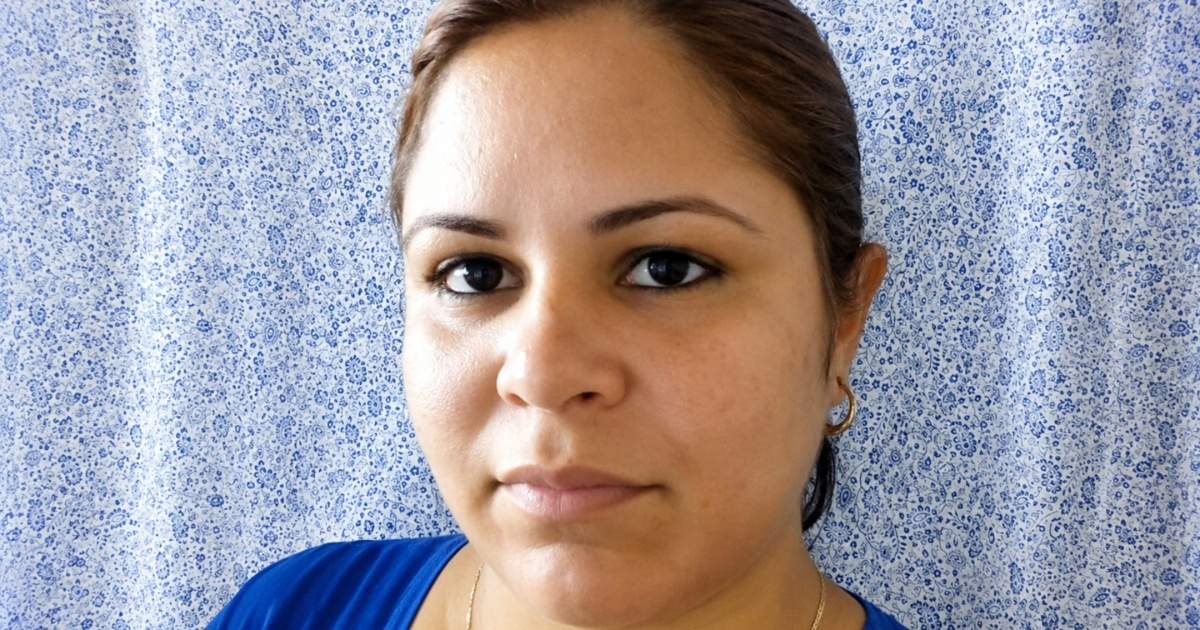
Arianna Fernández Tamayo, a Cuban mother from Manzanillo, shared distressing images on Facebook of her baby drenched in sweat, unable to sleep due to the oppressive heat caused by frequent power outages. She directed a pointed message at the regime.
"To those who proclaim 'homeland or death,' to the resilient, to those chasing utopian dreams. I hope you live to see the consequences of the suffering you're inflicting on an entire nation," the mother expressed in her post.
The photos depict the infant lying in a crib, skin glistening with sweat, under unbearable heat conditions. This is amidst the most severe energy crisis in recent Cuban history, with the summer of 2026 seeing unprecedented deficits of up to 2,341 MW and blackouts impacting more than 73% of the country simultaneously.
The Cry for Help
Arianna's own mother echoed her sentiments in the comments, stating bluntly, "Well said, my daughter. I just hope your grandchildren don't endure this ordeal. Homeland and life, damn it."
The post unleashed a wave of empathy and outrage. One user encapsulated the shared frustration: "It's heartbreaking to see a baby trying to sleep in such inhumane conditions. We're being silently destroyed."
Another commenter shared a similar plight: lacking funds even for a fan, she spends all her earnings on food and resorts to opening windows for a breath of air.
Community Support and Memories of Hardship
In response to the post, a fellow Manzanillo resident offered to send Arianna a rechargeable fan via Messenger.
Many mothers drew parallels to the hardships of the 1990s Special Period. "History repeats itself: during the Special Period, my child was young, and I endured the same struggles," one user recalled. Another questioned bitterly, "How do I tell my little grandchild, at just 11 months old, that he must have creative resilience? But I declare with faith: one day, someone will answer for this suffering inflicted on a whole country."
One woman, who has since emigrated, recounted how she once shouted her frustration from her doorstep in Cuba, only to be warned by neighbors to keep quiet to avoid arrest. She now believes that silence was a mistake: "Today, I believe it matters to shout, to protest, to raise our voices. Don't let anyone silence you—every voice is a step towards Cuba's freedom."
The Impact on Cuban Society
Another voice in the discussion highlighted the collective paralysis: "It's the people who are paying the price, losing their lives slowly. Elderly people who are mere shadows, young people burdened with a torturous daily life, and children born without a chance to learn what life should be. Meanwhile, the system falters, yet they continue to hold all the power."
A commenter drew on Miguel Hernández's poem "El niño yuntero" to describe today's Cuban children: "Born to a harness, more humiliated than beautiful, with a neck pursued by the yoke for the neck." She concluded with the poem's poignant question: "Who will save that little boy, smaller than a grain of oats?"
Arianna's story is just one among many documented since May 2026: babies breaking out in heat rashes, children sleeping on porches or cots in the street, and mothers fanning their children throughout the night without electricity.
The Widespread Energy Crisis
By 2026, Cuba had experienced at least five nationwide blackouts, three occurring within a single week in July, with outages lasting up to 20 hours a day in Havana and more than 70 consecutive hours in some interior regions.
Manzanillo, Arianna's hometown in Granma province, had already seen protests over outages lasting more than 12 hours since June 2022.
Understanding Cuba's Energy Crisis
What is causing the energy crisis in Cuba?
Cuba's energy crisis is primarily due to outdated infrastructure, lack of investment in energy production, and economic challenges that limit fuel imports, resulting in frequent and prolonged blackouts.
How are Cuban families coping with the blackouts?
Cuban families are coping with blackouts by using hand fans, opening windows for ventilation, and, in some cases, receiving rechargeable fans through community support. Many are struggling to afford basic necessities due to the economic strain.