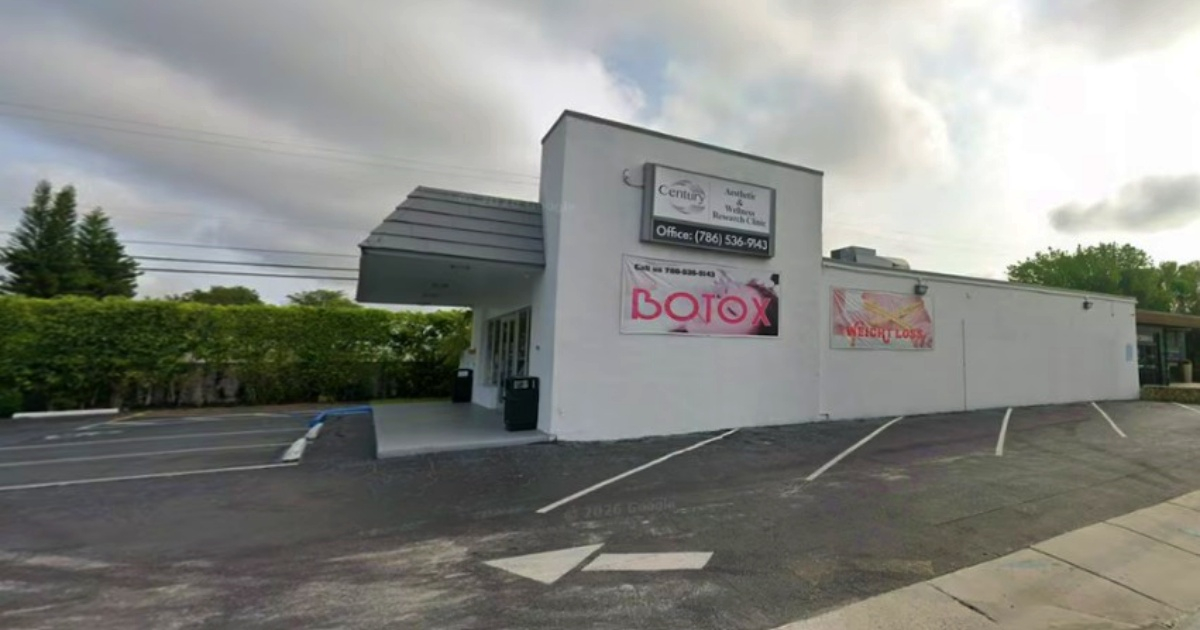
Osmel Núñez, a 36-year-old who owns a medical aesthetic clinic in Miami, was taken into custody on July 24. He's accused of orchestrating over $1.1 million in fraudulent transactions by exploiting the identities of deceased individuals, as reported by local media.
The scheme unfolded within a mere six weeks using the medical financing program CareCredit, provided by Synchrony Bank, resulting in an estimated loss of nearly $894,000 for the bank.
Rapid Fraudulent Activity over Six Weeks
Núñez operated Century Research and Aesthetics, a medical aesthetics business in Miami. He established a merchant account with Synchrony Bank in August 2025, linking it to his personal Bank of America account. No transactions were recorded until May 13, 2026.
Between May 14 and June 22, the account processed 165 sales through 116 CareCredit accounts, amounting to more than $1.1 million. According to the arrest report, 99 of these accounts belonged to deceased individuals.
Before realizing the full extent of the fraud, Synchrony had already transferred approximately $1,056,343 to Century Research, ultimately incurring a loss of around $893,654.
Investigation Unveils Fraudulent Activities
The irregular activity was first detected by Synchrony Bank, which subsequently launched an investigation. The bank's Vice President of Special Investigations visited the Century Research and Aesthetics premises. An employee mentioned Núñez was unavailable, having "just returned from a family trip to Italy."
On July 22, investigators formally interviewed Núñez. He claimed "all transactions were conducted at the clinic, with each account holder present for treatment." However, he could not provide concrete evidence, leading to his arrest two days later.
Facing Serious Charges and Possible Severe Sentences
Núñez is confronted with three charges:
- Organized fraud exceeding $50,000.
- First-degree grand theft over $100,000.
- Aggravated fraudulent use of deceased persons' identity information.
The latter charge is outlined under Florida statute 817.568, which imposes mandatory minimum prison sentences ranging from five to ten years when the fraud exceeds $100,000 or involves 30 or more deceased identities.
The public report does not specify how Núñez acquired the personal data or account access of the deceased, nor does it clarify the amount of money frozen or recovered.
A Growing Concern in Florida's Medical Fraud Scene
South Florida is notorious for having one of the highest medical fraud rates in the United States. In June 2026, the Department of Justice announced a significant crackdown on healthcare fraud, charging 455 individuals nationwide for over $6.5 billion in false claims. Within the Southern District of Florida alone, 12 individuals were indicted.
Núñez's case is notable for its distinctive method: rather than billing insurers like Medicare or Medicaid for unprovided services, the accused allegedly exploited active CareCredit accounts of deceased persons, which remain operational if relatives fail to notify the bank.
Understanding the Fraud Case Against Osmel Núñez
How did Osmel Núñez allegedly commit fraud?
Núñez is accused of using the identities of deceased individuals to conduct fraudulent transactions worth over $1.1 million through CareCredit accounts.
What actions did Synchrony Bank take upon discovering the fraud?
Upon detecting irregular activities, Synchrony Bank initiated an investigation, which led to the arrest of Osmel Núñez.
What charges is Osmel Núñez facing?
Núñez is charged with organized fraud over $50,000, first-degree grand theft over $100,000, and aggravated fraudulent use of deceased identities.