Fernando Rendón, a Colombian poet and president of the World Poetry Movement, recently issued an open letter to the "Cuban people," urging global support to "mobilize and help protect their existence and sovereignty." In his message, he attributes the island's dire electricity and water shortages solely to the American embargo, ignoring the Cuban regime's responsibility after 67 years of single-party rule.
This letter was disseminated through REDH-Cuba (Network in Defense of Humanity), a platform that often aligns with the Cuban government's official narrative, and was also published by the state-run newspaper Trabajadores. This context transforms the letter from a piece of independent literary reflection to a tool of state propaganda.
Rendón's Romantic Vision of Cuba
Rendón, who founded the Medellín International Poetry Festival in 1991 and has been the general coordinator of the World Poetry Movement since 2011, begins his letter with a poetic reference to January 1, 1959, claiming "a spirit akin to the first day of spring swept across the Island of Light and all of Latin America."
His letter paints a picture of a heroic and resilient Cuba: "The silent and wearing war against you persists. The American boycott continues to prevent the entry of oil, essential goods, food, and medicine, placing you in a difficult situation where you even lack electricity and water. Yet, your courage and integrity remain unshaken."
The Stark Reality Behind the Romanticism
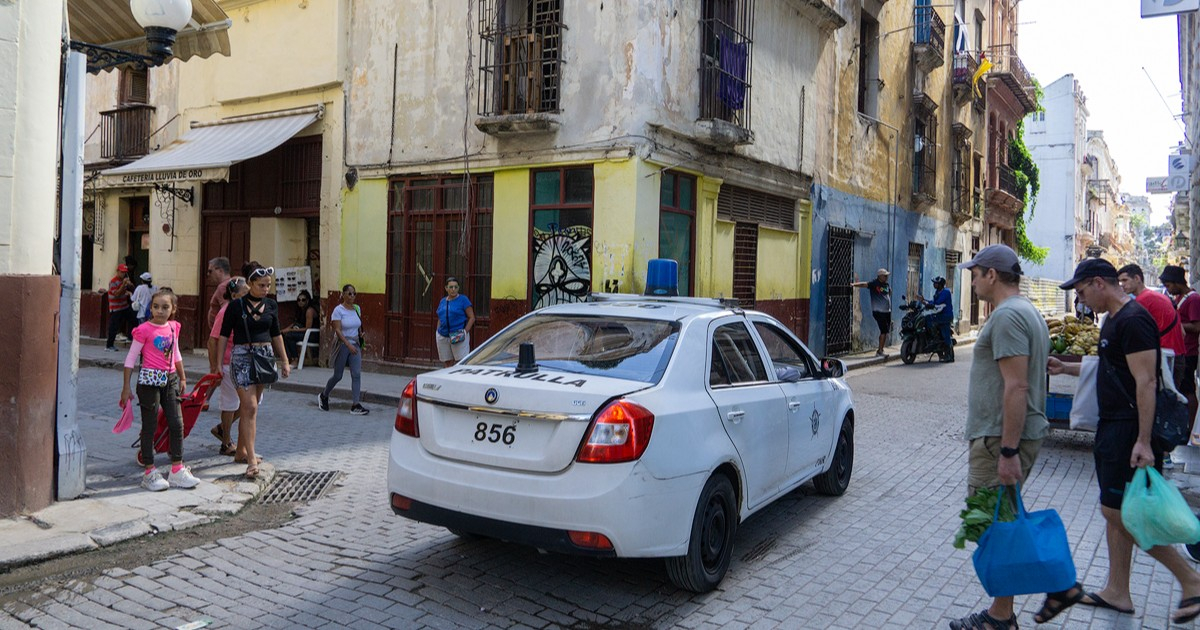
This romanticized depiction starkly contrasts with documented reality. In July, the island experienced extensive power cuts, averaging over 20 hours a day, due to a breakdown of the electrical system caused by decades of neglect, poor management, and lack of investment. In Matanzas, some areas faced over 80 consecutive hours without electricity. On the 29th, the Cuban Electrical Union predicted a record-breaking deficit of 2,380 MW during peak hours.
The crisis extends beyond electricity. Cuban authorities admitted that only 30% of essential medicines were available in the healthcare system. According to the National Office of Statistics and Information (ONEI), 245,264 Cubans emigrated in 2025. Independent estimates suggest over a million Cubans have left the island since 2021.
The Overlooked Political Repression
Adding to the humanitarian crisis is political repression. Prisoners Defenders reported 1,306 political prisoners in Cuba by the end of June 2026, including minors serving sentences. None of these issues are acknowledged in Rendón's letter.
The Colombian poet concludes his message with a call for continental solidarity: "The people of Cuba are our people: the Latin American people, to whose consciousness and spirit of unity we appeal. The fate of our peoples is the fate of the continent, just as the fate of Venezuela and Colombia is the fate of Latin America." His mention of Venezuela is striking, given the country's political turmoil following Nicolás Maduro's capture by U.S. forces in January 2026.
Analysis by Armando Chaguaceda
The phenomenon illustrated in Rendón's letter was astutely analyzed by Cuban political scientist Armando Chaguaceda in his essay "The Enlightened Betrayal," published in June 2026. Chaguaceda described how some progressive intellectuals "produced analyses that downplayed repression, always finding an external cause—the blockade, imperialist intervention, Miami's provocation—that shifted the government's responsibility."
Rendón's letter serves as a near-textbook example of this mechanism: the electricity shortage isn't due to decades of centralized and failed management but the "American boycott;" the water scarcity doesn't reflect the collapse of neglected infrastructure but the malevolence of the "enemy." The regime is exonerated. The Cuban people, however, are reduced to a poetic backdrop for a narrative that isn't theirs.
Chaguaceda was emphatic in assessing this complicit silence: "That silence was not neutral. That silence was a decision."
Understanding the Impact of Cuban Policies on Daily Life
What are the main causes of Cuba's electricity shortages?
Cuba's electricity shortages are primarily due to the collapse of the electrical system from decades of neglect, poor management, and insufficient investment in infrastructure.
How has the political climate affected emigration from Cuba?
Political repression, economic hardship, and lack of basic resources have driven many Cubans to emigrate, with independent estimates suggesting over a million have left the island since 2021.
What role does external propaganda play in Cuba's internal narrative?
External propaganda often shifts blame for internal issues to outside forces like the U.S. embargo, exonerating the regime from responsibility and framing the Cuban people as victims of foreign manipulation.