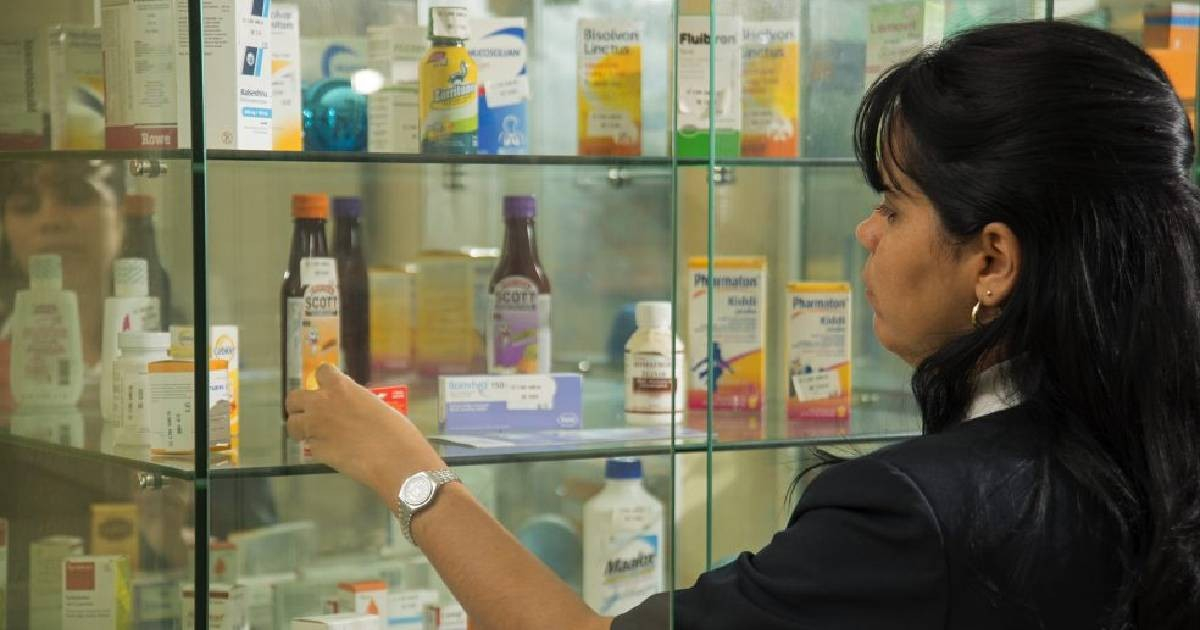
The Cuban regime has officially authorized private micro, small and medium-sized enterprises (MSMEs) and non-agricultural cooperatives to manage pharmaceutical services on the island. This decision brings both relief and concern among the population, particularly regarding its impact on retirees and chronic patients who rely on subsidized medications.
Implemented under Decree 160/2026, signed by Prime Minister Manuel Marrero Cruz on July 22 and published in the Official Gazette on July 28, this measure will take effect on August 4, 2026. It repeals Decree 107 of 2024, which explicitly prohibited private sector involvement in pharmaceutical services.
Limited Access Amid Economic Challenges
The new regulation does not equate to automatic access: each pharmacy must first obtain prior authorization from the Ministry of Public Health (MINSAP), employ qualified pharmaceutical personnel, maintain facilities with suitable storage conditions, and offer medications with current health registrations in Cuba.
Regarding who can make purchases, available sources do not specify restrictions based on customer type; sales will be open to the general public within authorized health parameters.
Pricing Concerns for Vulnerable Groups
The true issue lies in the pricing. Unlike the state-subsidized network, MSMEs will be able to set their own prices. This effectively restricts access to those with greater financial means, leaving the most vulnerable segments of society at risk.
Cuban citizen Islennys García Ruiz captured the contradiction many feel in a Facebook post: "I applaud the entry of MSMEs, so people don't have to run around parks with medicine bags when the police show up. BUT BEWARE."
Her warning highlights the danger of the state neglecting its responsibility to the public network: "Don't forget the state pharmacies. Because the elderly, the retirees, need to buy their medications at subsidized prices. If that disappears, we're condemning them. The business shouldn't come at the expense of our people's lives."
Expanding Private Sector Opportunities
This measure comes amid an unprecedented pharmaceutical shortage crisis: in July 2025, Health Minister José Ángel Portal Miranda admitted to the National Assembly that Cuba had only 30% of its essential medicines available.
By 2026, the situation remained dire, with approximately 70% of essential medicines unavailable, and in June of this year, the province of Sancti Spíritus reported over 300 medications out of stock.
Decree 160 also lifted restrictions on 46 other activities and modified 35 more, including gas stations, elderly care homes, wholesale trade, and the importation of electric vehicles.
Medical and dental care remains state-controlled; the exception applies solely to pharmaceutical services.
Regulatory bodies were given seven days from the decree's publication to approve procedures, requirements, and oversight mechanisms, ensuring the complete regulatory framework would be ready before the measure takes effect on August 4.
García Ruiz summed it up with irony: "This is capitalism by the most convoluted, lengthy, and exhausting route. Every day, in their immense kindness, they make our lives into ever smaller pieces."
Frequently Asked Questions About Private Pharmacies in Cuba
Who is allowed to purchase from private pharmacies in Cuba?
There are no specified restrictions in the available sources regarding customer types. Purchases will be open to the general public within authorized health parameters.
What are the concerns regarding private pharmacy pricing in Cuba?
MSMEs will be able to set their own prices, which may restrict access primarily to those with higher financial means, potentially disadvantaging the most vulnerable sectors of society.
How does Decree 160 affect the pharmaceutical sector in Cuba?
Decree 160 allows private enterprises and cooperatives to manage pharmaceutical services, lifting previous prohibitions and potentially increasing the availability of medicines, albeit at potentially higher prices.