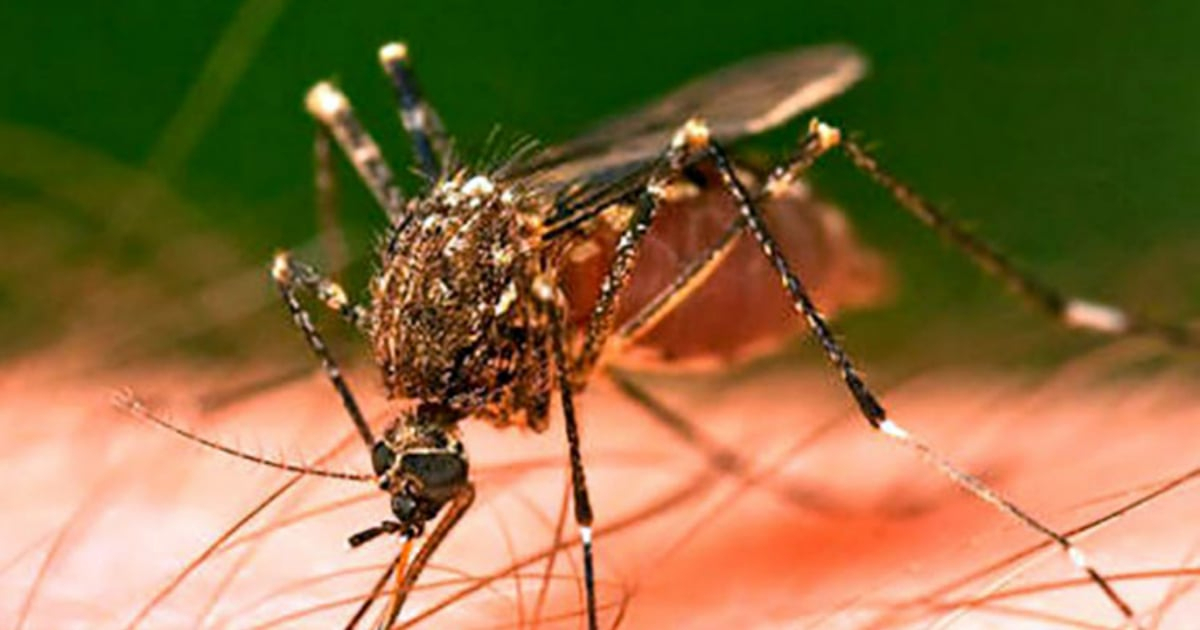
Thousands of Florida residents have expressed anxiety and opposition to Google's plan to release 32 million genetically modified mosquitoes in the state over a two-year period.
This initiative, submitted to the United States Environmental Protection Agency (EPA), is part of Google's Debug program. It aims to release 16 million sterile male mosquitoes annually in selected test areas of Florida to curb the population of the southern house mosquito (Culex quinquefasciatus), the primary vector of the West Nile virus.
The public comment period concluded on June 5, but the EPA's file already contains over 2,700 citizen comments, with many opposing the project.
Among the most cited voices is Christen Adams, who stated in the federal record, "A tech company shouldn't be involved in this kind of genetic modification and releasing insects into the public. What are the consequences for wildlife? For humans when bitten? Has this been studied for five or ten years? If so, where are the results? I'm tired of humans playing God."
On social media, several users likened the plan to the urban legend of lovebugs, the popular belief that these insects were created in Florida university labs to control mosquitoes.
"That's how Florida got the lovebugs," wrote user Gail Holt Maier.
University of Florida experts have repeatedly debunked this myth, clarifying that lovebugs are a naturally occurring species from Central America, not a lab experiment.
Understanding the Wolbachia Method
Google's technique involves using the natural bacterium Wolbachia, which infects male mosquitoes, rendering them incapable of producing viable offspring when mating with wild females.
The official Debug website describes the process: "Our good insects are male mosquitoes with a naturally occurring bacterium called Wolbachia, which makes them unable to reproduce with wild female mosquitoes."
Eva Buckner, a professor of medical entomology at the University of Florida, assured residents that they "absolutely will not" notice the additional mosquitoes, as the males do not bite or transmit diseases due to their lack of blood feeding.
Buckner explained, "The males are only interested in mating with the females. That's their sole focus," as reported by WLRN.
Global Success of Mosquito Control
This method is neither new nor experimental on a global scale. Since 2019, over a billion modified mosquitoes have been released in Brazil, the Cayman Islands, Panama, and India to combat diseases like dengue, Zika, and chikungunya, with positive outcomes documented by the Centers for Disease Control and Prevention (CDC).
The Debug program itself reported a reduction of over 95% in female mosquito populations in Fresno, California, during its trials from 2017 to 2019.
The CDC, however, warns that modified mosquitoes "will only work to reduce the number of the target species and not other types of mosquitoes," and that "most communities have more than one type of mosquito."
Google's permit was still under review by the EPA. If approved, it would also require the consent of state and local authorities in Florida before the program could commence.
FAQs about Google's Mosquito Release Initiative
Why is Google releasing genetically modified mosquitoes in Florida?
Google's Debug program aims to reduce the population of the southern house mosquito, a significant carrier of the West Nile virus, by releasing sterile male mosquitoes.
What is the role of the Wolbachia bacterium in this plan?
The Wolbachia bacterium infects male mosquitoes, preventing them from producing viable offspring when mating with wild females, thus reducing the mosquito population.
Have similar programs been successful elsewhere?
Yes, similar mosquito control initiatives have been successful in countries like Brazil, the Cayman Islands, Panama, and India, significantly reducing the spread of diseases such as dengue and Zika.