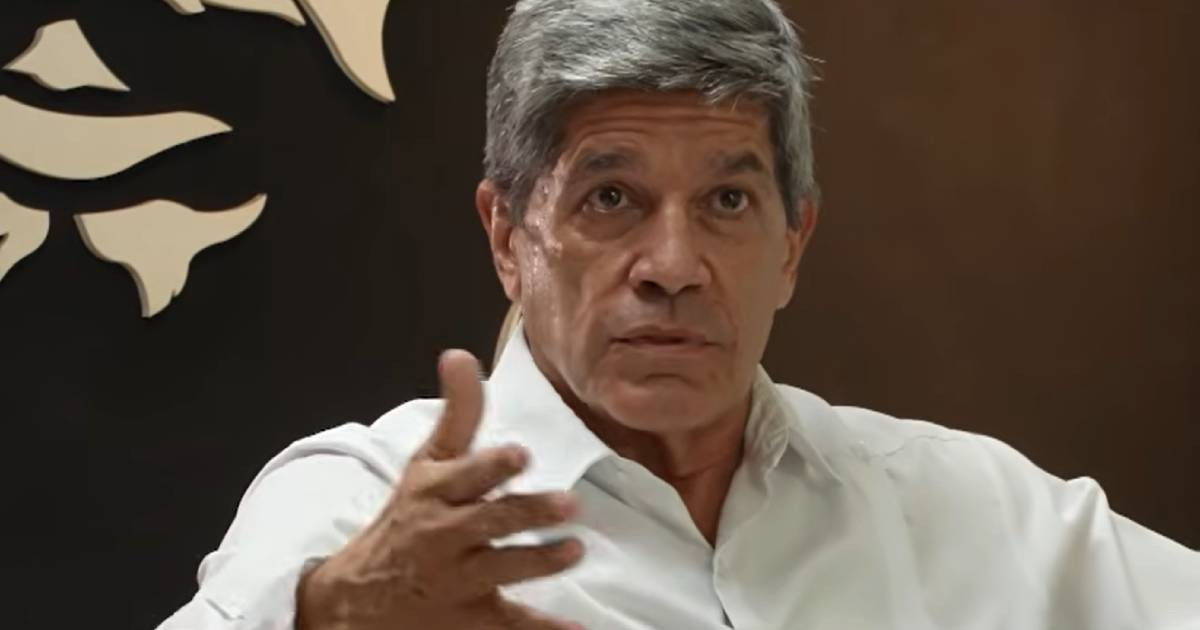
The Cuban government issued a demand to the United States this past Friday, asking simply to be "left alone," asserting that they seek neither charity nor preferential financial treatment amidst the island's worsening economic and energy crises.
Carlos Fernández de Cossío, the Deputy Foreign Minister, took to Facebook to call for an end to what he describes as a "ruthless economic war" and "genocide," urging for the freedom to trade with other nations without Washington's interference.
"What Cuba is asking for is for the U.S. to leave it in peace, to halt the genocide, to stop the relentless economic warfare, and to cease punishing the Cuban people, which results in daily shortages, anxiety, and irritation," he stressed.
The statement also requests that Washington allows "a natural and peaceful relationship for Cubans living in the U.S. with their homeland or the birthplace of their parents."
In exchange, the Cuban regime offers "a respectful, peaceful, and constructive relationship, including friendships and cooperation similar to those it maintains with many segments of American society."
Recently, Fernández de Cossío suggested that even Donald Trump or his organization could invest in Cuba, as reported by The New York Times.
"What prevents Donald Trump from investing in Cuba are U.S. laws. We don't exclude him or his organization from doing business in Cuba, provided they respect Cuban laws," Fernández de Cossío stated.
This announcement marks a notable shift in rhetoric from the official, who in January 2025 compared Trump's foreign policy to Adolf Hitler's fascism and in May 2026 labeled the U.S. administration as "criminal."
This outreach comes amid one of the most severe economic downturns Cuba has experienced in decades. The economy shrank by approximately 5% in 2025, with an overall decline exceeding 15% since 2020, according to the Cuban Economy Studies Center.
In July, Cuba's power grid collapsed three times within eight days. The New York Times noted that aside from a Russian oil tanker that arrived in March, no ally had yet defied Trump's pressures to stop fuel deliveries to the island.
Fernández de Cossío admitted to the newspaper that "the coercive arm of the United States has proven to be highly effective" in pressuring European, Latin American, and Asian companies to halt resource exports to Cuba.
Foreign Minister Bruno Rodríguez Parrilla had also accused the United States two days earlier in the National Assembly of executing a "well-designed and macabre plan" to cut off the island's funding sources, market access, and essential supplies.
He also warned that Cuba would defend itself "even with weapons" if faced with military aggression.
Understanding the Impact of U.S. Policies on Cuba
What are the main concerns of the Cuban government regarding U.S. policies?
The Cuban government is primarily concerned with what it perceives as a "ruthless economic war" and "genocide" conducted by the United States, which they claim restricts their ability to trade freely with other nations and causes significant economic hardships for the Cuban people.
How has the Cuban economy been affected in recent years?
Cuba's economy has experienced a substantial decline, shrinking by around 5% in 2025 and accumulating a total decrease of over 15% since 2020. The country has also faced significant energy shortages, with multiple power grid collapses occurring recently.
What has been the U.S. response to Cuba's requests for changes in policy?
While the U.S. has maintained its firm stance, there has been no indication of an immediate change in policy. The Cuban government continues to call for an end to economic sanctions and other restrictive measures imposed by Washington.