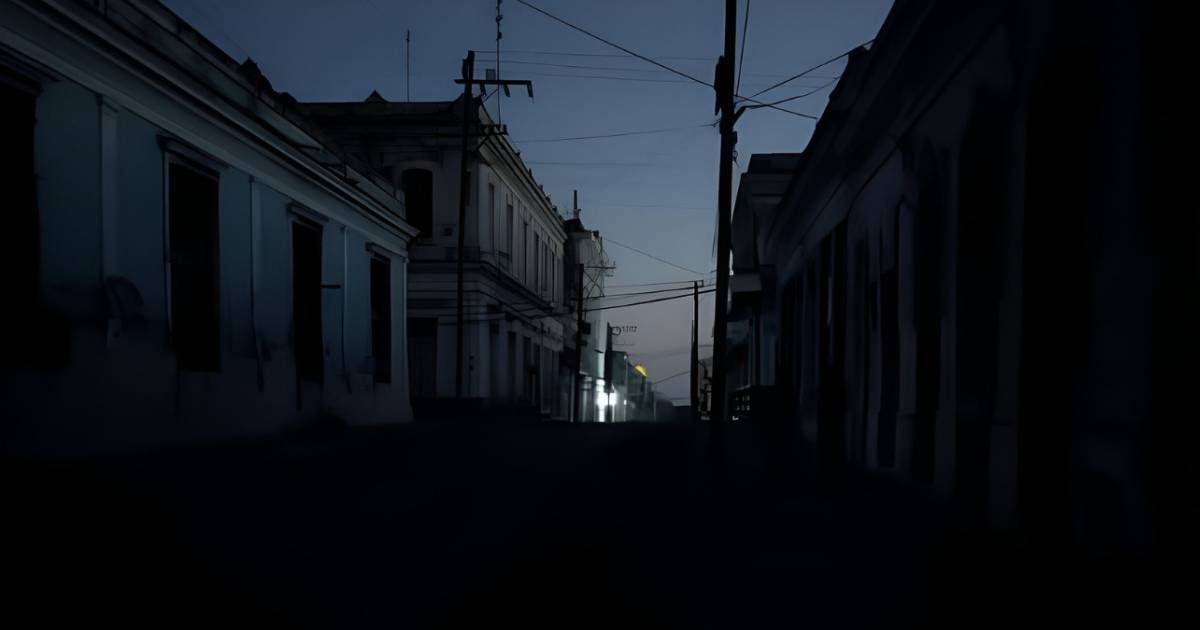
On Thursday, Cuba plunged into one of the most critical nights of the year due to its ongoing energy crisis. By 7:00 p.m., the National Electric System (SEN) was experiencing a shortfall of 2,042 MW, as reported by the Unión Eléctrica (UNE). The nation's electricity availability stood at a mere 1,013 MW, far below the demand of 3,114 MW. Essentially, Cuba could only meet 32% of its electricity needs.
The gap between available power generation and demand exceeded 2,100 MW, leaving a significant portion of the country without electricity during peak usage hours.
The severity of the situation was apparent early in the day. At 6:00 a.m., the shortfall was already at 1,820 MW, and UNE had forecasted a peak hour deficit of up to 2,280 MW, with an estimated demand of 3,250 MW and only 1,000 MW of available generation. According to Infobae, citing EFE data, up to 70% of the island could be affected by outages simultaneously.
The Root Causes of the Energy Crisis
Key factors contributing to the crisis include 106 distributed generation plants being offline due to fuel shortages. Additionally, the Regla and Melones barges, as well as the Mariel and Moa central fuel plants, are all inactive.
While millions of Cubans endured yet another day of blackouts, Energy and Mines Minister Vicente de la O Levy addressed the National Assembly, acknowledging the dire situation.
"There are communities and settlements that have been without electricity for up to 105 consecutive days," he admitted during his speech.
The minister did not provide an optimistic outlook for system recovery. "The road ahead is long," he stated, attributing part of the crisis to the theft of dielectric oil from transformers and the persistent fuel shortages. However, he avoided mentioning the structural deterioration of thermoelectric plants, which have been flagged for years as a primary cause of the energy collapse.
Public Outcry and Protests
Frustration spilled into the streets once again. In Santiago de Cuba, residents of the Sueño neighborhood staged another protest with pots and pans to denounce the prolonged power cuts. Independent journalist Yosmany Mayeta Labrada reported 907 citizen complaints related to outages in the city, where the average time without service hovers around 24 hours.
July has emerged as the most critical month of the year for Cuba's electrical system. On July 6, the SEN suffered its third total collapse of 2026, leaving approximately 9.6 million people without power. Just two days later, on July 8, the country recorded a record deficit of 2,341 MW, with around 73% of the nation simultaneously affected. Another nationwide collapse occurred on July 14 following the shutdown of the Felton 1 unit, and on July 24, the deficit once again exceeded 2,300 MW.
The ongoing power crisis is also affecting the supply of drinking water, as numerous pumping stations rely on electricity to operate, exacerbating the daily struggles of millions of Cubans.
With another night marked by a deficit surpassing 2,000 MW and no signs of a short-term recovery, the energy crisis continues to deepen, while the government itself acknowledges that a solution remains distant.
Understanding Cuba's Energy Challenges
What are the primary causes of Cuba's energy crisis?
The main causes include fuel shortages leading to 106 distributed generation plants being offline, as well as inactive barges and central fuel plants. Structural issues in thermoelectric plants and theft of dielectric oil from transformers also contribute.
How is the energy crisis affecting daily life in Cuba?
The crisis causes widespread power outages, affecting up to 70% of the island simultaneously. It disrupts essential services like water supply, as many pumping stations require electricity to function, worsening the daily hardships faced by millions of Cubans.