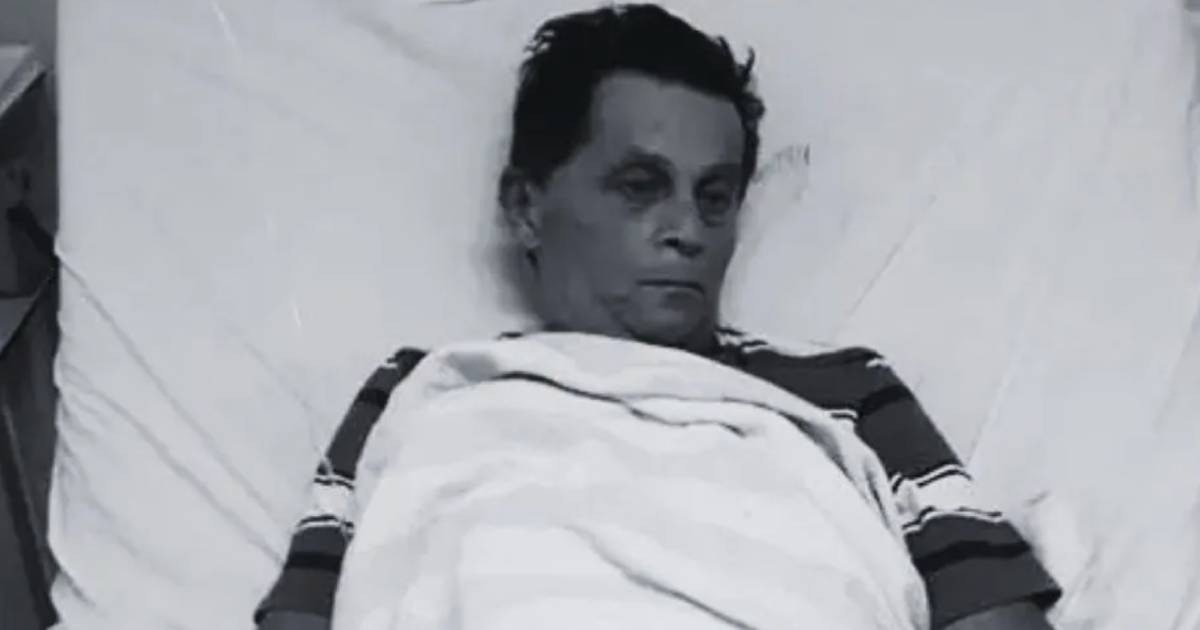
Independent journalist and activist Guillermo del Sol Pérez, a member of the Cuba Decide movement, has now surpassed 42 days on a hunger strike at his home in Santa Clara, as reported by the organization Cubalex on Wednesday.
His health condition is critical, with medical professionals warning that he might experience a collapse at any moment, according to the publication.
The hunger strike, which began on June 19, demands the release of political prisoner Leonel Tristá García, detained after the July 11 protests, along with 17 other political detainees from Villa Clara.
Despite these demands, the Cuban regime has not responded, Cubalex notes.
Close associates of Del Sol report that he is experiencing severe diabetes and hypertension episodes, significant weight loss, and signs of dehydration.
Doctors attending to him state that his physical reserves are nearly depleted, yet he remains steadfast in his protest.
The immediate cause for the strike was the revocation of Leonel Tristá's parole. Tristá had been released in January 2025 as part of a broader release initiative by the regime, only to be ordered back to Guamajal prison, Villa Clara, in June 2026 to complete an eight-year sentence for his involvement in the July 11, 2021 protests.
Del Sol's protest was also triggered by his own arbitrary detention by State Security agents, who accused him of stealing a scooter for which he had legal documentation.
Having reached 42 days, Del Sol is in an especially perilous phase, reminiscent of a similar situation in 2019. He had then fainted after over 40 days without food, with a blood pressure of 160/100, requiring urgent hospitalization at Arnaldo Milián Castro Hospital in Santa Clara. Government agents forcibly removed him from the hospital, confiscating phones from him and his son.
That 2019 hunger strike lasted 55 days—the longest in his history—and was initiated to challenge the "regulated" policy preventing his son, Adrián del Sol Alfonso, from leaving the country. According to Memory of Nations, Del Sol has undertaken 14 hunger strikes throughout his activist career.
The current protest takes place at his residence, which, according to Cubalex, increases its national and international visibility and complicates the authorities’ ability to label it as a prison indiscipline.
Nonetheless, such protests often provoke other forms of repression: constant surveillance of his home, internet service cut-offs, and police presence to block visits from family and journalists.
This hunger strike highlights the broader plight of political prisoners in Cuba. In April 2026, Justicia 11J reported 775 political prisoners on the island, 338 of whom were linked to the July 11 protests.
The mass pardon that month, which benefited over 2,000 inmates, explicitly excluded those convicted of "offenses against authority," a category the regime uses to imprison protesters.
In 2019, near physical collapse, Del Sol declared, "I don't know what plans Raúl Castro has for me, but I accept the challenge, and I will go to the ultimate consequences until there are no more regulated individuals in Cuba, or until I give my life in the attempt."
Seven years later, with 42 days without food and no concession from the regime, his resolve is once again being tested.
Understanding Cuba's Political Climate and Hunger Strikes
Who is Guillermo del Sol?
Guillermo del Sol is an independent journalist and activist from Cuba, known for his opposition to the regime and his involvement with the Cuba Decide movement. He has undertaken multiple hunger strikes to protest against government policies.
What triggered Guillermo del Sol's current hunger strike?
The immediate cause of his hunger strike was the revocation of parole for Leonel Tristá García, a political prisoner, and the subsequent re-imprisonment. Del Sol demands the release of Tristá and other political detainees.
How does the Cuban regime typically respond to hunger strikes?
The Cuban regime often ignores demands made through hunger strikes, while simultaneously increasing repression through surveillance, internet disruptions, and restrictions on visits to protestors.
Why is the current hunger strike significant?
This hunger strike is significant due to its duration, Del Sol's deteriorating health, and its role in highlighting the broader issue of political prisoners in Cuba. It underscores the regime's ongoing repression and the activist's unwavering resolve.