The Antonio Guiteras Thermoelectric Plant, Cuba's largest single-unit power generator, is being pushed to its physical limits as authorities postpone crucial overhauls to prevent exacerbating the already severe power outages that leave residents without electricity for over 24 hours at a time.
Román Pérez Castañeda, the plant's general manager, disclosed in an interview with the state-run newspaper Girón that the decision to keep the Guiteras plant operational was made collectively by the plant's management, the Electric Union, the Ministry of Energy and Mines, the Communist Party, and the government.
"Materially speaking, we've been ready for over a month to undertake major replacements in the economizer," Pérez admitted. "But then came summer, the World Cup, and the Cuban people's desire for a vacation without severe power disruptions." The extended downtime of the Matanzas block, he added, would have been detrimental.
Approaching its 40th year of operation, a decade beyond the anticipated lifespan of a thermoelectric plant, Guiteras' boiler has gone over 15 years without significant repairs.
The plant's most recent shutdown was at 1:07 a.m. on July 26 due to a leak in the economizer. Pérez Castañeda explained that, prior to this failure, technicians had already identified an issue with a low superheater tube.
While the steam leak allowed the plant to continue operating, it required excessive water consumption. The new leak, however, necessitated a shutdown due to simultaneous failures.
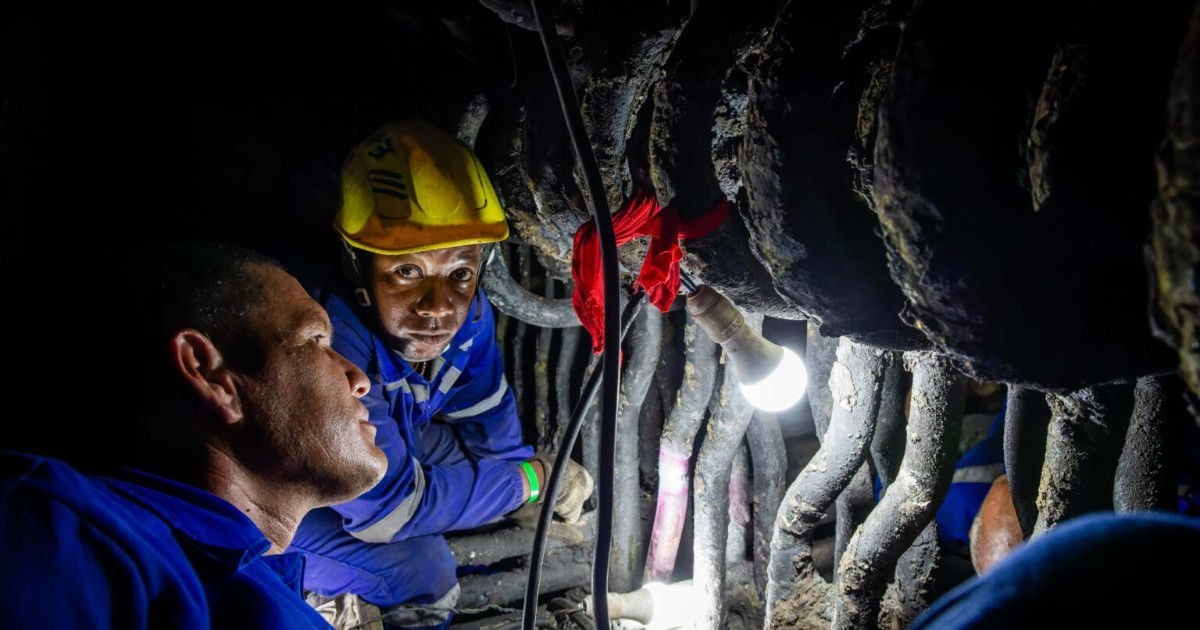
During each maintenance stop, over 200 tasks across automatic, electrical, and mechanical specialties are conducted. Repairs on the economizer and superheater alone involved around 50 workers working 24-hour shifts.
Conditions inside the boiler are extreme. Workers must crouch, sit, or lie in cramped spaces, exposed to soot and temperatures exceeding 104 degrees Fahrenheit. Teams rotate every one to two hours for hydration breaks.
A technical report, supported by the University of Matanzas and José Antonio Echeverría Technological University of Havana (Cujae), concluded that the economizer material is completely aged and no longer suitable for prolonged operation.
The plant's management initially underestimated the severity of the deterioration. After replacing the most compromised tubes, technicians found small holes in the welding seams, some as small as a sewing needle's diameter. High-pressure water leaks were damaging nearby pipes.
Nearly 400 welding seams were removed, yet the failure mechanism shifted to other areas, making a comprehensive economizer tube replacement necessary. Pérez Castañeda confirmed they now have the materials needed for this intervention.
The high reheater is in even worse condition, though its vapor leaks don't immediately disconnect the unit, unlike the economizer's water leaks, which require the plant to go offline.
A full overhaul cannot proceed without replacing this reheater, one of the components still missing. Additionally, necessary contracts for electrical and automatic specialties remain pending for essential maintenance.
Pérez attributed these shortages to U.S. sanctions, claiming that foreign companies, including some from Germany and France, have ceased working with the plant. Banking and financial restrictions further complicate payments to suppliers willing to provide parts or technical assistance.
Besides component scarcity, there's a drain of skilled personnel. "Having 20 to 25 highly qualified welders capable of welding under any conditions with various materials was once common here. Today, gathering seven or eight is nearly impossible," he noted.
Failures in the National Electric System (SEN) exacerbate the plant's deterioration. During a recent disconnection, the unit's output surged from 200 MW to 356 MW automatically. Although protection systems averted damage to the turbine and generator, the imbalance caused overpressure in the boiler, leading to the latest pipe failures.
A limited economizer intervention would take about 20 days, but management believes just repairing this component wouldn't resolve the issue, as critical points in the superheater also pose a high risk of failure. A full overhaul would require the plant to be offline for roughly six months.
Authorities have yet to set a date for such an overhaul, given the prolonged disconnection's impact on an electric system recently achieving only around 1,100 MW availability against 3,200 MW demand.
"What we're doing today is extending the plant's operational period," Pérez Castañeda summarized, illustrating the official strategy: maintaining a severely deteriorated infrastructure to prevent immediate worsening of blackouts.
"A six-month shutdown decision, as required for a full overhaul, cannot be taken lightly. We have no date yet," he concluded.
Challenges Facing Cuba's Power Infrastructure
What is the current state of the Guiteras Power Plant?
The Guiteras Power Plant is operating beyond its intended lifespan, with its boiler having gone over 15 years without major repairs. It's currently being kept functional to avoid worsening blackouts, despite significant wear and tear.
Why are repairs on the Guiteras plant being delayed?
Repairs are delayed to prevent exacerbating power outages during critical periods like summer and major events. Additionally, U.S. sanctions and financial restrictions complicate acquiring necessary parts and technical support.
How are the plant's current operational conditions affecting workers?
Workers face extreme conditions inside the boiler, requiring them to work in cramped, hot spaces exceeding 104°F, with regular rotations for hydration breaks due to the challenging environment.
What are the potential consequences of not overhauling the plant?
Without a comprehensive overhaul, the plant risks further mechanical failures and an inability to meet power demands, contributing to more frequent and prolonged blackouts across Cuba.