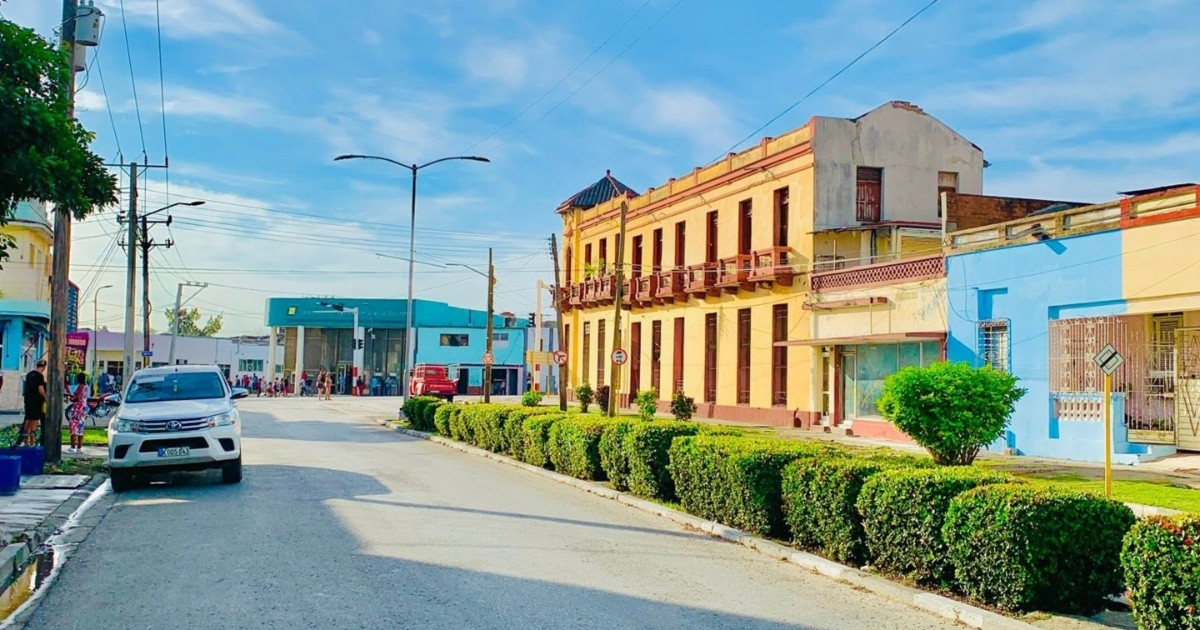
Citizens from the Reparto Sueño neighborhood, a central and populous district in Santiago de Cuba, once again took to the streets on Wednesday night. They banged pots and pans to protest the extended power outages plaguing the city, according to a Facebook post by independent journalist Yosmany Mayeta Labrada.
"Another evening sees the residents of Reparto Sueño out on the streets clanging their pots," wrote reporter Mayeta Labrada, capturing the protest in this neighborhood of over 17,000 inhabitants. This area had already witnessed similar pot-banging demonstrations in June and several dates in July, including the 25th, the eve of the anniversary of the assault on Moncada.
Comments on the post reveal a widespread exhaustion far beyond just one neighborhood. From Chicharrones, another part of Santiago, a resident remarked, "Good for them, here we haven't had power since 2 a.m."
One comment encapsulated the collective feeling: "The entire nation should do the same, we can't take this anymore."
Widespread Frustration with the Regime's Inaction
The frustration extends to those witnessing the protests without seeing tangible results. "Well, it seems that even pots won't get us attention anymore, because right now this place is like a Christmas tree, I've had to unplug everything," another person commented. An image circulated in the same post reading, "Down with the dictatorship, freedom."
The energy situation in Santiago de Cuba was dire on Wednesday: according to a citizen report observatory, the average duration of blackouts in the city reached 24 hours, with 907 reports documented.
Nationally, the National Electric System reported just 849 MW of available generation against a deficit of 1,830 MW. Meanwhile, the Electric Union anticipated an impact of 2,230 MW for that day, equating to up to 74% of the country without power simultaneously during peak demand.
Significance of Protests in Historical Locations
Reparto Sueño is not just any area: it is home to the former Moncada Barracks, a central symbol of the regime's official narrative, as well as the Heredia Theater and the Antonio Maceo Revolution Square, making it especially significant as a recurring protest site against the dictatorship.
The pot-banging protests in Santiago de Cuba are part of a wave of demonstrations that spread during July 2026 to Havana, with hotspots in Lawton, El Vedado, Guanabacoa, Centro Habana, and Old Havana, among other areas.
The regime has responded with arrests, police deployments, internet blackouts in protest zones, and temporary electricity concessions, failing to address the root causes of the crisis: low generation capacity, technical failures in thermoelectric plants, and fuel shortages.
In July alone, the Cuban electrical system suffered at least four total collapses, leaving about 9.6 million people without power during each event. On July 8, the country experienced its largest energy deficit in recent history: 2,341 MW, with 73% of the population affected simultaneously.
Understanding Cuba's Energy Crisis
Why are residents of Santiago de Cuba protesting?
Residents are protesting due to long-lasting power outages affecting their daily lives, leading to frustration and anger towards the government's inability to resolve the issue.
What is the significance of the Reparto Sueño neighborhood in these protests?
Reparto Sueño is significant because it houses historical landmarks like the former Moncada Barracks, making it a symbolic site for protests against the regime.
How has the Cuban government responded to these protests?
The government has responded with measures such as arrests, police presence, internet blackouts in protest areas, and temporary power restorations without addressing the underlying causes of the energy crisis.