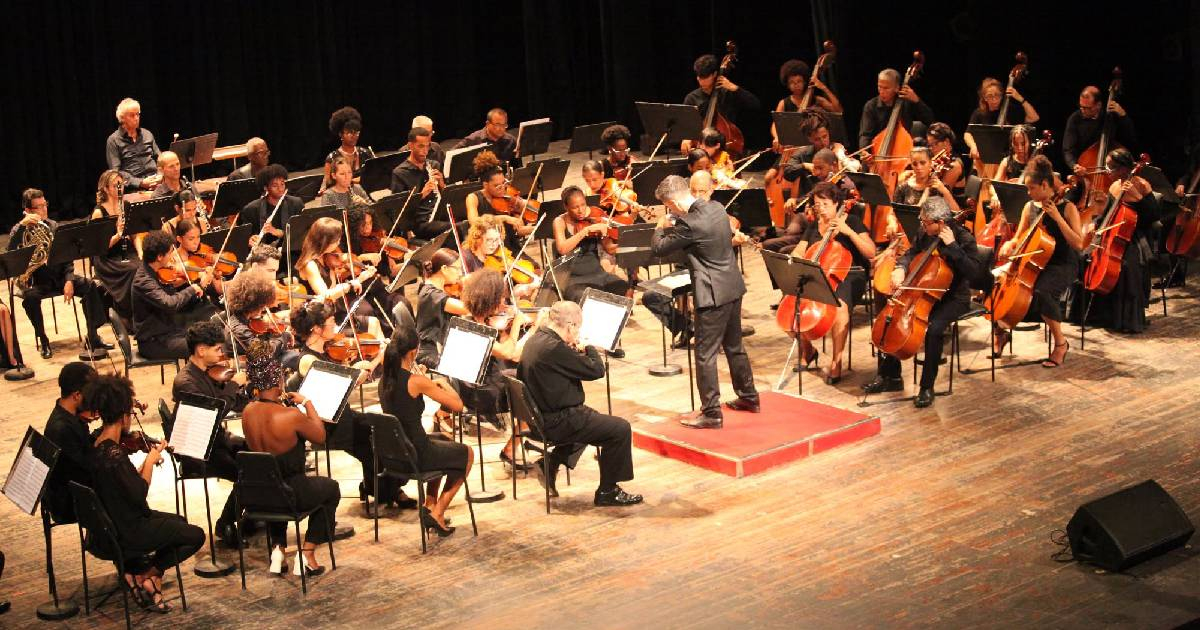
The Ministry of Labor and Social Security has released an updated version of Resolution 23/2026, which outlines the revised salary scales for government-funded artists in Cuba. This includes musicians, actors, dancers, and other performers involved in music, theater, dance, circus, film, and animation.
Initially published in the Official Gazette No. 60 on July 17, the resolution required a reissue in the Special Edition No. 8 of the Official Gazette due to "inaccurate data" in the previous publication, as admitted by the issuing body. The corrected version, signed by Minister Jesús Otamendiz Campos on July 15, addresses these inaccuracies.
This resolution nullifies the previous Resolution 4/2026, which was introduced merely six months prior, on January 8, 2026. It forms part of the Economic and Social Transformations package approved by the regime to increase salaries for the budgeted sector, effective from July 1, 2026. Payments for July are scheduled for August 2026.
Details of the New Salary Structure
The new salary structure categorizes wages based on the complexity groups and varies according to the type of artistic group and the individual assessment level of each performer. Topping the scale is the Principal Conductor of the National Symphony Orchestra, positioned in Group XXV, earning 10,105 pesos monthly for a 44-hour workweek.
The Deputy Conductor is classified in Group XXIV with a salary of 9,645 pesos, while the Concertmaster falls into Group XXIII, receiving 9,265 pesos. Soloists in the National Symphony's orchestra and concert band are placed in Group XXI, earning 8,500 pesos, whereas instrumental musicians range between Groups XVII and XIX based on their artistic evaluation.
For the Havana Grand Theater Orchestra and provincial symphony orchestras, principal conductors are assigned to Group XXIV, and instrumental musicians fall between Groups XV and XVII. Dancers in theater collectives will receive special salary treatment according to their individual evaluations, following the Dance Category II Collective framework.
Provisions for Graduates and Non-Evaluated Workers
Graduates from Artistic Education programs will start receiving salaries corresponding to their evaluation level after completing six months of social service in the artistic sector. Workers without prior artistic evaluation or the required qualifications, approved by the Minister of Culture, will receive a Group I salary, amounting to 3,210 pesos monthly.
Additionally, professional choral group members who also serve as children's choir directors will continue to receive an extra payment of 2,100 pesos monthly. This salary adjustment is part of a broader initiative that raised the national minimum wage from 2,100 to 3,210 pesos—a 53% increase—with an estimated fiscal cost of 42,500 million pesos, impacting over a million state workers.
Despite these changes, skepticism persists among artists. Actor Roberto Perdomo shared on July 22 that he refused theater work because transportation costs nearly consume his entire payment. He earned 4,700 pesos for performing over four weekends, while each commute costs him 200 pesos, in a situation where black market fuel prices reach 6,000 pesos per liter.
Understanding the New Wage Structure for Cuban Artists
What is the highest salary under the new scales for artists?
The highest salary is for the Principal Conductor of the National Symphony Orchestra, who will earn 10,105 pesos monthly.
How are salaries determined for new graduates in the arts sector?
Graduates will receive salaries based on their evaluation level after completing six months of social service in the artistic sector.
How has the national minimum wage been adjusted in Cuba?
The national minimum wage has increased by 53%, from 2,100 to 3,210 pesos.