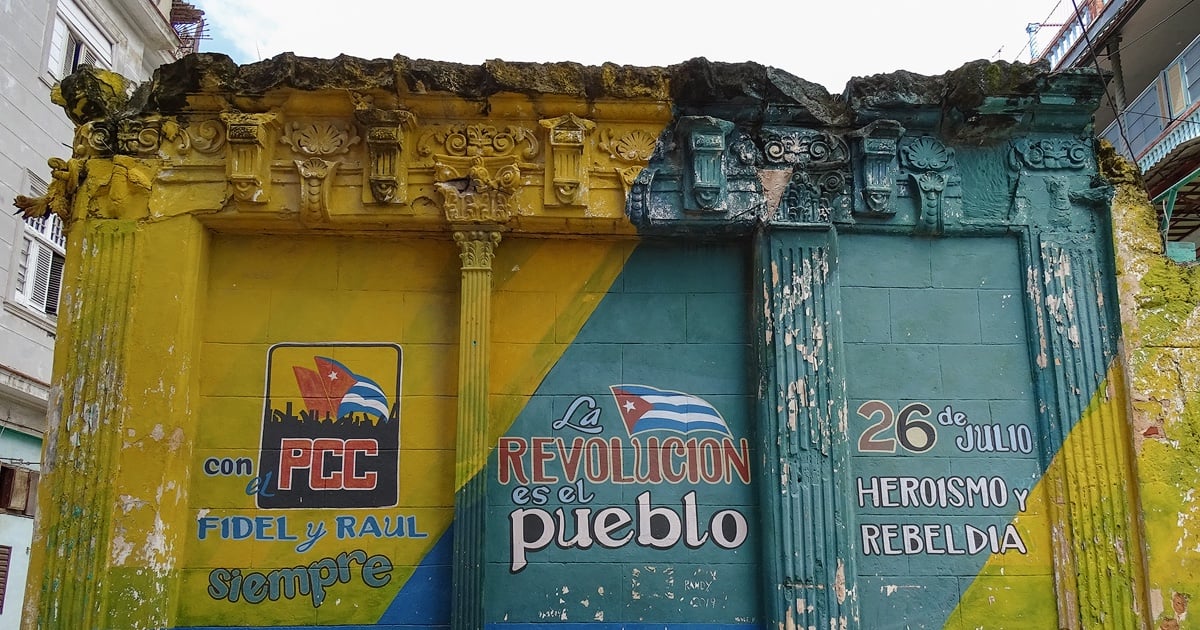
For decades, the dramatic tale of a failed military strike reborn as a political triumph has obscured the historical reality of the Moncada Barracks assault. On July 26, 1953, the attack was driven by an urgent need to deliver a decisive blow against a de facto regime and reestablish Cuba's constitutional order. Yet, the ensuing bloodshed ultimately served as a personal propaganda platform, elevating an even more authoritarian dictator to power.
Fidel Castro is a polarizing figure, evoking both disdain and blind admiration among millions of Cubans. This duality is typical of dictators like Stalin, Mao, Hitler, or Mussolini. Both critics and supporters have crafted narratives—either glorifying or condemning—that swing between adoration and censure. In this analysis, I aim to set aside emotions and examine that fateful carnival Sunday in Santiago de Cuba through an objective lens.
Debunking the Myths: Fidel Castro's Role in the Moncada Assault
A common question is whether Fidel Castro truly got "lost" in Santiago's streets, missing the combat's peak. The Moncada Barracks was a central, unmistakable landmark. The notion of geographical confusion is completely unfounded; key figures from the assault, some of whom later opposed Castro, such as Mario Chanes de Armas and Gustavo Arcos Bergnes, confirm this. Castro was driving the second vehicle in the lead and was seen issuing commands amid gunfire outside Post 3. The failure was not due to disorientation but poor tactical planning.
The plan hinged on surprise, which quickly dissipated. Disguised as soldiers, the attackers attempted to breach Post 3 by shouting, "Open up, the general is coming!" However, their civilian shoes gave them away. Losing the element of stealth, they charged the barracks, assuming the trained garrison would react sluggishly. This underestimation proved as reckless as ignoring a pit bull's bite.
Unveiling the Propaganda: The Aftermath of Moncada
When heavy machine guns, like the one operated by Sergeant Virués, began sweeping the entrances, the operation crumbled. Those who entered became trapped, while those who remained outside, including the instigator Dr. Fidel Castro, survived. Just a few minutes of crossfire sufficed for Castro to realize the mission was a death trap, prompting a retreat order.
Interestingly, Castro ensured that no objective evidence of his involvement in combat existed: he refused the forensic paraffin test. "Me? They're not testing me; mark it as positive because I did shoot," he reportedly declared, according to the official Moncada: Heroic Epic (1973). He was the only combatant not tested. Witnesses, including Arcos and de Armas, recall him carrying a Luger but never saw him fire it. Castro's presence at Moncada is indisputable, but his evasion of the only test that could confirm his active participation, and his decision to retreat, abandoning his men, remains contentious.
The Brutal Reality: The Fate of the Moncada Assailants
Meanwhile, those assigned to the Saturnino Lora Civil Hospital faced a grim fate: the position was a trap with no escape routes, sealing their doom from the start. Among them was Abel Santamaría, who, like most captured rebels, fell victim to extrajudicial executions.
These atrocities formed the core of the regime's propaganda mythology: tales of torture, castration, and eye gouging captivate those who consume official history. The government narrative claims Haydée Santamaría was shown her brother's bloodied eyes. Yet evidence debunks this: soldier Ariel Matos testified seeing Abel Santamaría alive and unmaimed around 6 p.m., with his eyes intact and only a minor chin wound. We don't know whose eyes Haydée was shown, but they weren't Abel's.
Funeral director Manuel Bartolomé and Santiago's forensic doctors prepared the bodies without reporting signs of mutilation. Bartolomé, who handled about thirty-four bodies, stated he saw no "corpse showing signs of torture." I won't label a woman who can no longer defend her account a liar; perhaps her captors showed her remains from another source to break her spirit. But forensic evidence refutes the reality of such mutilation.
Understanding the Aftermath: The Consequences of the Moncada Assault
Raúl Castro, invited to Santiago by José Luis Tasende, was initially unaware of the attack plan. Fidel was surprised to see him at the Siboney farm hours before the assault. Raúl's unpreparedness led Fidel to position him at the easily escapable Palace of Justice. Its location allowed Raúl and his entourage to flee by shedding their uniforms and blending with the populace. Perhaps in a moment of fraternal instinct, Fidel opted to place Raúl in a spot that spared him from the suicidal trap of Saturnino Lora.
It's undeniable that the attacked soldiers took justice into their own hands in vengeful fervor; these spontaneous excesses were compounded by Colonel del Río Chaviano's order to summarily execute prisoners with positive paraffin tests—about thirty—and later disperse the bodies to simulate battle deaths.
Fidel, however, escaped this fate once his identity was known: he was married to Mirta Díaz-Balart, a member of a family close to Batista, and executing him could have sparked public outrage reminiscent of Machado's era. Under pressure, Batista phoned the colonel: "You will answer with your head for Fidel Castro's life." Thus, when Castro was cornered by Lieutenant Pedro Sarría's forces, Sarría acted as a human shield—on his initiative, according to associates—honoring that directive.
In retrospect, this failed assault parallels Hitler's disastrous march on Munich: both operational debacles enabled the crafting of a victorious narrative from defeat. Hitler used his trial to dictate "Mein Kampf"; Fidel Castro followed suit with "History Will Absolve Me"—a phrase echoing Hitler's defense before German courts. It wasn't even stated verbatim at the trial: according to the presiding judge, Castro said, "History will ultimately judge." The memorable version was penned later in prison.
These were two men who, from military defeat, forged a messianic personal brand that would lead their nations to totalitarian catastrophe. The intentions of many young people who sacrificed their lives at Moncada were undoubtedly patriotic and noble. This only reinforces the old adage: the road to hell is paved with good intentions.
Uncovering the Moncada Barracks Assault
What was the Moncada Barracks attack?
The Moncada Barracks attack was a failed attempt by Fidel Castro and his followers to overthrow the Cuban government on July 26, 1953. It aimed to restore Cuba's constitutional order but ended in a military defeat that later served as a propaganda victory for Castro.
Why is Fidel Castro's role in the Moncada assault debated?
Fidel Castro's role is debated because, although present at the assault, he avoided tests that could confirm his active participation. His decision to retreat and abandon his men also raises questions about his leadership during the event.
How did the regime use the Moncada attack for propaganda?
The regime used the Moncada attack to build a narrative of heroism and martyrdom, focusing on alleged atrocities against captured rebels to gain sympathy and support for Fidel Castro's cause.