A thriving democracy requires more than just elections. It thrives on citizens who are free to organize, defend their interests, express their views, and engage in public life without being dependent on political power. This network of independent institutions, associations, and spaces is known as civil society.
When civil society is dismantled, democracy loses one of its essential pillars.
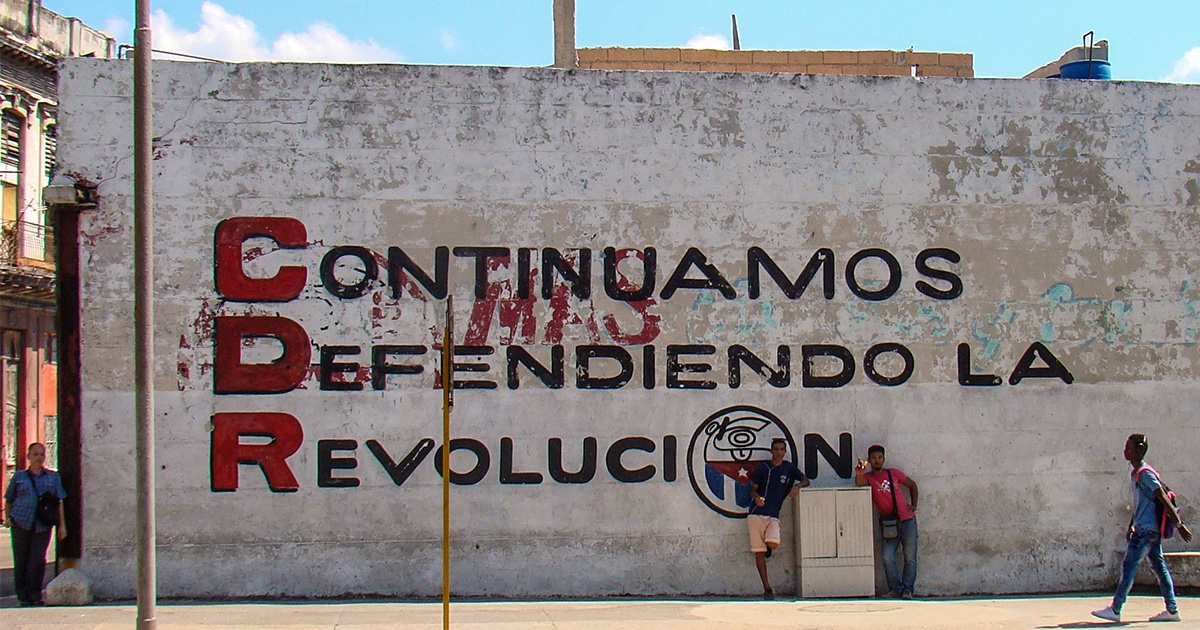
Cuba's experience offers a striking illustration of this process in Latin America. Following the 1959 revolution, the new regime did not stop at government control. Gradually, it absorbed or dismantled nearly all existing independent organizations. Labor unions, professional associations, student federations, farmer organizations, media outlets, cooperatives, and numerous civic institutions were replaced with structures subordinate to the State and the Communist Party.
This led to millions of citizens transitioning from being part of society-created organizations to becoming members of state-created entities.
The Consequences of State Monopoly
When the State monopolizes representation for workers, students, women, farmers, artists, and even various community spaces, social autonomy vanishes. There are no longer independent voices to challenge government decisions or defend interests that differ from official policies.
This phenomenon results in a profound transformation. Citizens stop seeing themselves as active participants in public life and start perceiving themselves as mere receivers of top-down decisions.
Dependency overtakes participation. Obedience replaces debate. Individual initiative is viewed with suspicion.
The Hidden Damage of Authoritarian Control
Over time, this structure yields another, less visible but equally damaging effect: the erosion of trust among citizens. When all organizations are beholden to power, many people lose faith in the value of free association. Apathy and isolation become survival mechanisms.
This is why rebuilding a nation after decades of authoritarian rule is so challenging. It requires more than a change in government. It demands the restoration of trust among citizens, returning autonomy to institutions, and reviving a culture of free and responsible participation.
History shows that no country can aspire to robust democracy if all social life is state-dependent. A strong society needs strong institutions, independent associations, free universities, a free press, autonomous unions, respected religious organizations, and citizens who can act without seeking political permission.
Lessons from Cuba for Latin America
This is one of the crucial lessons from Cuba's experience for Latin America.
Democracies do not only die when elections cease. They also begin to weaken when society stops organizing itself and allows the State to decide which organizations can exist and which must vanish.
Political freedom is not solely upheld by governments. It is sustained, above all, by a vibrant, independent civil society capable of defending citizens' dignity against any attempt to concentrate power.
Because once civil society vanishes, the citizen stands alone against the State. And a solitary citizen is always more vulnerable than an organized populace.
Understanding the Impact of State Control on Civil Society
What is the role of civil society in a democracy?
Civil society plays a critical role in a democracy by allowing citizens to organize, express their opinions, and participate in public life independently of political power. It includes institutions and spaces where people can advocate for their interests and hold the government accountable.
How did the Cuban State control civil society after 1959?
After the 1959 revolution, the Cuban State gradually absorbed or eliminated almost all independent organizations, replacing them with structures that were subordinate to the State and the Communist Party. This monopolization of representation stifled independent voices and eliminated social autonomy.
Why is civil society important for rebuilding a nation?
Rebuilding a nation requires more than changing a government; it involves restoring trust among citizens, granting autonomy to institutions, and fostering a culture of free participation. Civil society is crucial for these processes, as it provides the framework for citizens to organize and engage constructively.