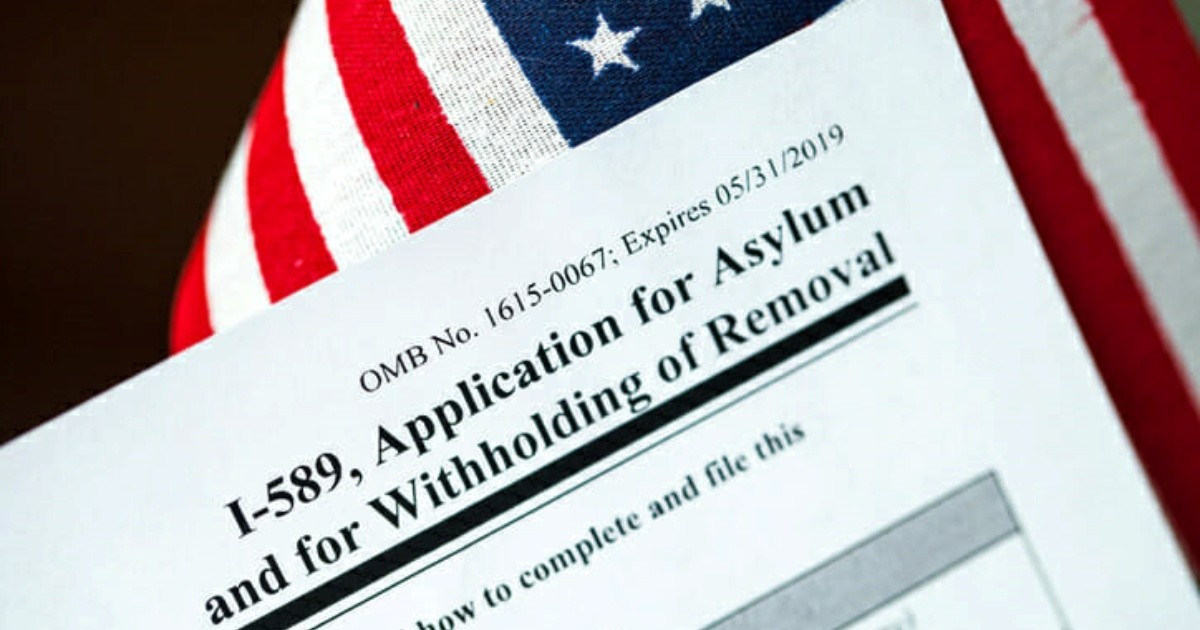
The United States Citizenship and Immigration Services (USCIS) has unveiled a new interim final rule aimed at overhauling the affirmative asylum application process. This announcement, made early this week, signifies a significant shift in how asylum cases are managed.
Under the new regulation, the agency can now bypass initial interviews and refer cases directly to immigration judges. This adjustment, effective immediately, was highlighted in the Department of Homeland Security's (DHS) official release.
Understanding the Previous Asylum System
Historically, the U.S. asylum system has operated on two distinct paths. The affirmative asylum process is designed for individuals not currently in removal proceedings, allowing them to apply directly through USCIS. Conversely, the defensive asylum process is tailored for those already facing deportation and seeking asylum as a defense in immigration court.
Previously, USCIS was required to conduct interviews with applicants before deciding whether to grant asylum or forward the case to immigration court. This step served as an additional review opportunity for applicants.
Impact of the New Rule
The updated rule removes the necessity for these preliminary interviews, enabling USCIS to transfer certain affirmative asylum cases directly to immigration court without initial applicant statements. Moreover, the rule eliminates references to the applicant's "right" to an asylum officer interview, as reported by Bloomberg Law.
DHS estimates that around 444,000 of the roughly 1.4 million pending affirmative asylum cases could be influenced by this policy change. USCIS will accept public feedback over the next 60 days before issuing a final definitive rule.
Rationale Behind the Decision
Joseph Edlow, USCIS Director, defended the move by stating, "For too long, the asylum system has been misused for delay and work authorization purposes, not genuine protection claims. The U.S. asylum system is meant to safeguard those who truly fear persecution, and this rule will ensure resources are allocated to promptly resolve these claims."
James Percival, DHS General Counsel, added, "One of the main obstacles to effective immigration law enforcement is intentional delay by illegal aliens and their open-border attorneys. My office collaborates daily with DHS immigration components to enhance efficiency and fulfill the president’s mandate. This rule is a step in that direction."
The Broader Context: A System Under Strain
This reform comes as the asylum system is overwhelmed with a massive backlog. As of April 2026, the combined pending cases at USCIS and immigration courts nearly reached 4 million, with immigration courts alone handling 3.3 million active cases as of March that year.
Since the Trump administration, asylum approval rates have dramatically decreased. Under President Biden, judges approved 48.1% of requests in the fiscal year 2023, but this plummeted to 8.8% in the first half of fiscal year 2026, marking the lowest rate in over a decade. Out of more than 150,500 decisions during this period, only 5,086 led to asylum grants, representing a mere 3.4% of the total.
These recent changes are part of a broader series of reforms reshaping the immigration landscape, including:
- Introducing a $102 annual fee for applications pending over a year.
- Recruiting 120 new immigration judges trained in just three to four weeks.
- The landmark Supreme Court ruling on June 25, 2026, allowing the rejection of asylum seekers at the Mexican border without processing their applications.
Andrew R. Arthur from the Center for Immigration Studies predicts that this trend will continue: "We can expect asylum denials to rise and approvals to decrease, both in absolute numbers and as a percentage of total decisions, at least during Trump's presidency."
Key Insights into the USCIS Asylum Rule Changes
What is the main change in USCIS's asylum process?
The primary change is that USCIS can now send affirmative asylum cases directly to immigration court without conducting preliminary interviews with the applicants.
How many pending cases could be affected by this change?
Approximately 444,000 of the 1.4 million pending affirmative asylum cases may be impacted by the new rule.
Why does USCIS believe this change is necessary?
USCIS argues that the change will prevent misuse of the asylum system for delays and work permits, focusing instead on genuine protection claims.