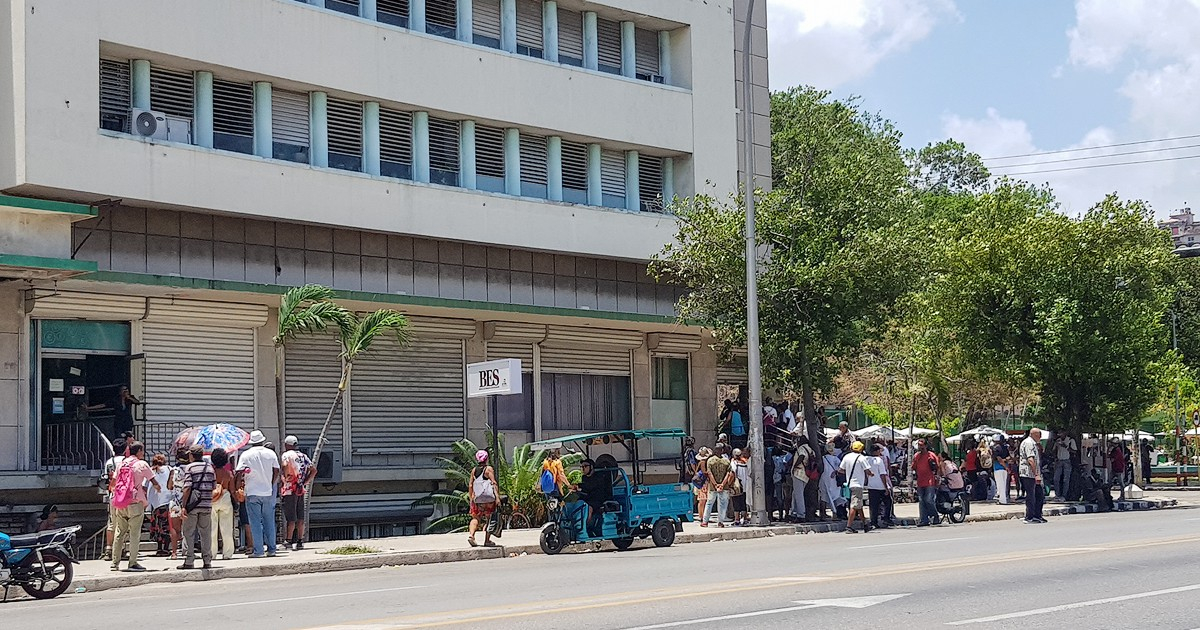
The most severe energy crisis Cuba has faced in decades has compelled countless families to transform their daily lives. With power outages lasting most of the day, fuel shortages, and challenges in cooking, transporting food, or accessing water, citizens have been forced to devise their own solutions.
This crisis highlights the resilience and adaptability of Cubans in grappling with increasingly harsh conditions, while the government remains unable to provide comprehensive solutions.
A detailed report published by The New York Times on July 27, crafted after a week of on-the-ground journalism in Havana and other parts of the island, asserts that despite the pressure from the Trump administration on Cuba's oil imports, the nation "manages to survive."
However, the examples shared by the American newspaper underscore that this survival primarily hinges on the creativity and hard work of the people.
Among the examples noted is the transition from old American cars from the 1950s, which are gas guzzlers, to electric motorcycles and mototaxis manufactured in China. The report also emphasizes the importation of lithium batteries to power fans, televisions, and other devices during extended blackouts, as well as the installation of solar panels on homes and even some vehicles.
The article further mentions that many Cubans have improvised generators modified to run on natural gas, a resource accessible in certain regions. These initiatives have effectively formed a parallel energy network, driven by citizens to counteract the electricity shortages and fuel scarcity.
One of the voices featured in The New York Times is Humberto Palmero, a 55-year-old farmer from Pinar del Río. Learning about new restrictions on oil supply, he taught himself through YouTube videos how to distill waste plastic into gasoline and diesel in a makeshift manner.
Armed with this knowledge, Palmero set up a small facility in his backyard to produce fuel for his motorcycle and kitchen needs. "We find solutions," Palmero stated.
The journalists also depict scenes that illustrate the worsening living conditions: families walking for hours to access water because the pumps are non-functional due to diesel shortages; women forced to cook with firewood on the streets; refrigerators reduced to mere cupboards because of frequent blackouts; and roads crowded with people waiting for transportation after the bus service reduction.
While the American newspaper concludes that Cuba continues to endure, the report makes it clear that this endurance is largely due to the Cuban people's resourcefulness.
The majority of the solutions described do not stem from new public policies or improvements in state infrastructure. Rather, they are the result of citizens improvising alternatives to navigate a crisis that continues to shape their everyday lives.
Understanding Cuba's Energy Crisis and Resilience
What are the main challenges faced by Cubans during the energy crisis?
Cubans face extended power outages, fuel shortages, and difficulties in cooking, transporting food, and accessing water.
How are Cubans adapting to the energy crisis?
Cubans are adapting by using electric motorcycles, importing lithium batteries, installing solar panels, and creating makeshift fuel solutions.
What role does the Cuban government play in addressing the crisis?
The Cuban government has been unable to provide structural solutions, leaving citizens to improvise and adapt on their own.