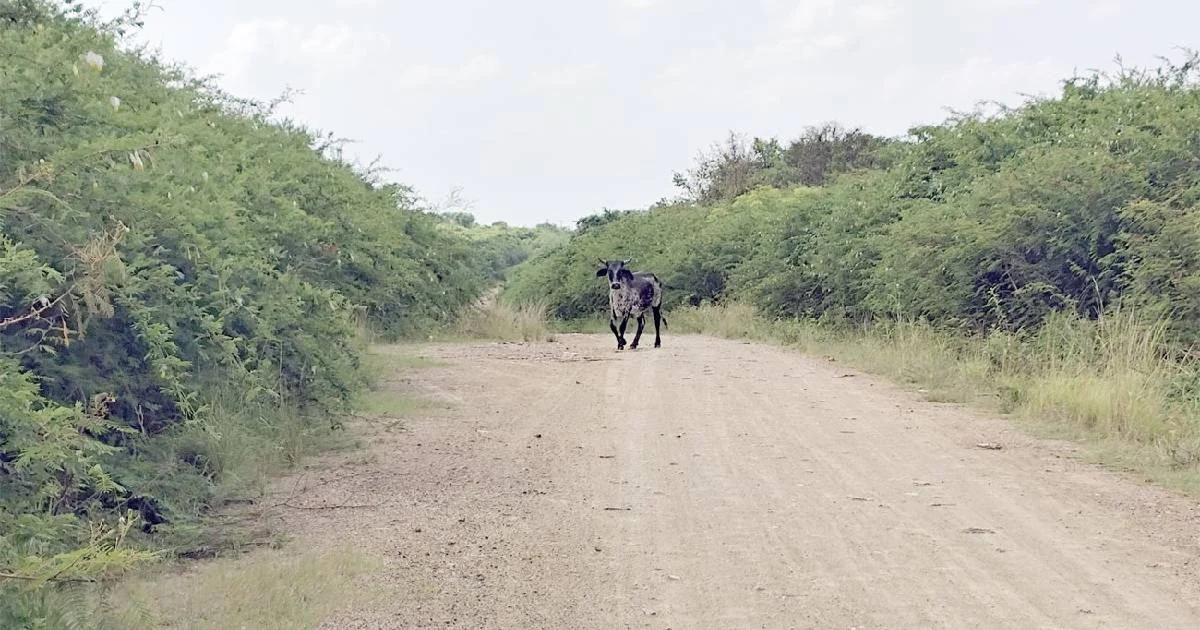
The cattle industry in Villa Clara is experiencing a severe decline, evidenced by a significant reduction in the number of cattle, high animal mortality rates, and failure to meet official production recovery targets, as acknowledged by the state-run newspaper, Vanguardia, on Sunday.
A decade ago, Villa Clara was home to approximately 519,000 cattle and was a leading dairy-producing province in Cuba, with key production areas in Manicaragua, Corralillo, Placetas, Sagua la Grande, and Santo Domingo.
However, the situation has progressively worsened. By the end of 2025, losses of cows and heifers amounted to about 19,000 animals.
Decline Continues in 2026
By early June of 2026, the cattle population had dwindled to 337,960, marking a drop of 181,000 over ten years. Additionally, there were 8,807 recorded deaths and a meager birth rate of 15,091 calves, 3,077 of which did not survive.
The birth rate barely surpassed 67.6% by the end of May, a figure that even official media outlets consider alarming for the future of the female herd.
Challenges Beyond Drought
Among the surviving calves, one in five perished due to malnutrition, lack of feed, or insufficient veterinary care. Horses have not been spared either, with 1,015 horse deaths reported in early 2026 out of a total population of 48,026 in the province.
The report attributes the industry's decline to multiple factors beyond drought. The shortage of forage due to the lack of pasture planting, depleted water sources, and insufficient fuel for resource transportation, along with an absence of infrastructure such as dams, artesian wells, and windmills, are major hindrances. The encroachment of marabú on former productive lands also exacerbates the situation.
Broken Promises and Rising Crime
The author questions the fulfillment of a major governmental promise made earlier this year. In March, authorities announced plans to plant 4,000 hectares of pasture and forage, but the actual progress is unclear due to shortages of fuel, seeds, and irrigation systems.
This plan likely "remains on paper" given the country's economic constraints. The crisis is also reflected in the rise of cattle theft and illegal slaughter. In 2025, there were around 9,000 losses attributed to these issues in Villa Clara.
Between January and May of this year, 3,476 criminal incidents were reported on both state and private farms, severely affecting the farming and cooperative sectors responsible for 86% of the province's cattle population.
A Grim Outlook for Villa Clara's Cattle Industry
The analysis by Vanguardia highlights the decline of an industry that was once pivotal for milk and meat production in Villa Clara, now facing ongoing losses, resource shortages, and a continuous drop in herd numbers.
"This bleak scenario, affecting both cattle and horses, demands transformative measures starting at the farmers' own fields," the media outlet concluded, emphasizing the need for revitalization of the agricultural landscape.
Without essential supplies, water, credit, and with thieves targeting pastures, such transformation currently seems destined to remain unfulfilled.
This week, five men were caught red-handed illegally slaughtering three cattle in Cárdenas, Matanzas, with 202.5 kilograms of meat confiscated, highlighting the widespread issue.
From 2019 to 2024, Cuba lost over 900,000 head of cattle; by the end of 2024, the national herd stood at approximately three million, nearly 400,000 fewer than the previous year, according to the Ministry of Agriculture.
Camagüey's Struggles Mirror Villa Clara's Challenges
The cattle industry in Camagüey is also facing significant challenges, with thousands of animals lost to death, illegal slaughter, and poor management. In 2024 alone, almost 58,963 deaths and 7,143 clandestine slaughters were recorded.
"Last year, losses from theft, slaughter, and other causes were equivalent to the cattle population of an entire municipality. If this trend continues, in roughly 15 years, there will be no cattle industry in Camagüey, let alone milk production," warned the official newspaper Granma in June 2025.
Cattle Industry Collapse in Cuba: Key Questions
What are the main causes of the decline in Villa Clara's cattle industry?
The decline is primarily due to a combination of factors such as drought, shortage of pasture and water, lack of fuel for transportation, insufficient infrastructure, and the encroachment of marabú on productive lands.
How has the cattle population changed in Villa Clara over the past decade?
Over the past decade, Villa Clara's cattle population has decreased by 181,000. The province now has 337,960 cattle, down from approximately 519,000 ten years ago.
What measures are being proposed to address the crisis in the cattle industry?
Proposals include planting 4,000 hectares of pasture and forage, though progress is hindered by shortages of fuel, seeds, and irrigation systems. Transformative measures at the farm level are also deemed necessary.