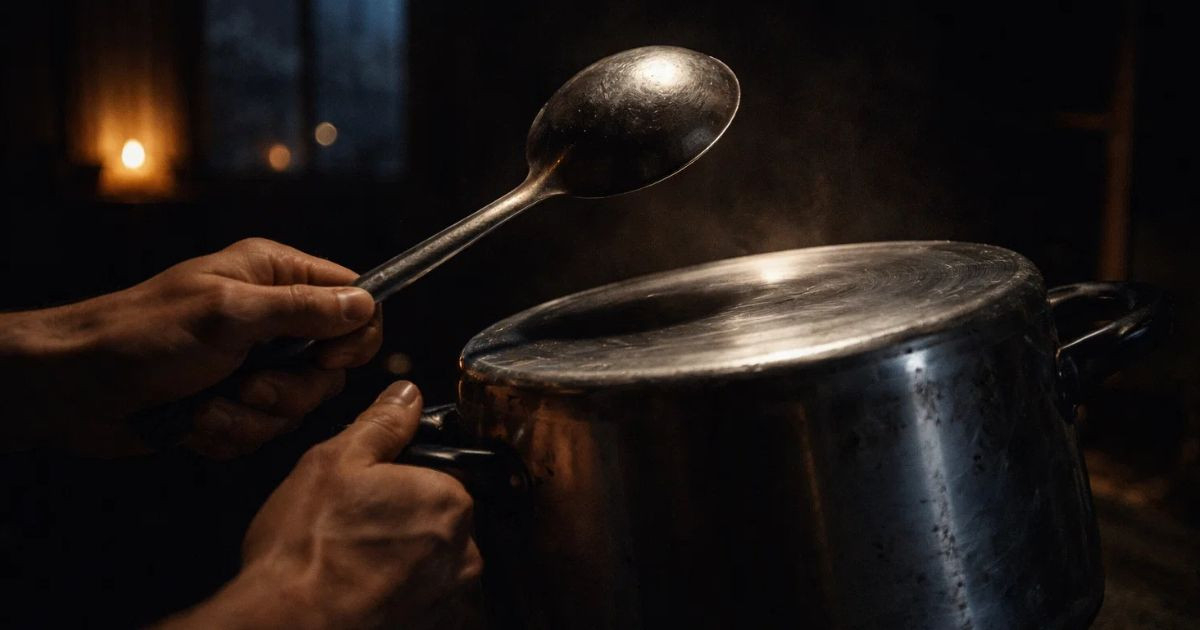
Residents of the Sueño neighborhood in Santiago de Cuba took to the streets this Friday, banging on pots and pans during a nighttime blackout. Meanwhile, reports of a heavy police presence in the area circulated, according to posts by independent journalist Yosmany Mayeta Labrada on social media.
One of the videos shared by Mayeta highlights the movement of patrol cars through areas shrouded in darkness, with the sound of clattering pots and pans echoing through the streets—a soundtrack to the increasingly frequent and lengthy power outages.
The protest occurred on the eve of July 26th, a date laden with symbolism for the Cuban regime, yet it was clearly not enough to deter those who chose to make their voices heard.
The citizen comments accompanying the posted videos express a potent mix of frustration and resolve. "The day we stop being afraid and all come out together demanding change, that will be the day we attain freedom. Down with everything," wrote one user on social media.
Elsewhere in Cuba, other residents have been chanting slogans such as "We want power!" and "Freedom!"
Story developing...
Understanding the Protests in Santiago de Cuba
What triggered the protests in Santiago de Cuba?
The protests were triggered by a nighttime blackout, during which residents expressed their frustration by banging on pots and pans, a form of protest known as "cacerolazo."
How did the authorities respond to the protests?
Authorities responded by increasing police presence in the affected areas, as shown in videos circulating on social media.
What is the significance of July 26th in Cuba?
July 26th is a significant date for the Cuban regime, marking the anniversary of the 1953 attack on the Moncada Barracks, which was a pivotal event in the Cuban Revolution.