A 16-year-old Cuban teenager, raised in classrooms where the mantra "Pioneers for Communism, we will be like Che" is recited daily, finds himself witnessing his elders protesting against the only government he has ever known. This youth had previously heard complaints at home and among classmates about Cuba's ruling class, recognizing the hypocrisy within the so-called "workers' paradise."
For this young man, joining the demonstrations in "Fidel's streets" was a way to stand in solidarity with his elders, who grappled daily with the realities of communism, struggling to "resolve" the shortages of food and medicine in any way possible. The phrase "it's not easy," which characterized Cuba five years ago, was all too familiar to him.
The young man ended up in jail. Authorities came to his home with photos showing him raising his arms and shouting "Freedom." To his shock, he quickly realized that the rumors he had heard about repression in Cuba were true. He remains imprisoned, underscoring the ongoing significance of the 11J protests.
The Current State of Affairs in Cuba
If conditions were dire five years ago, they are even more grim today as Cubans live under what some describe as the sultanate of Oscuristán. The ideological darkness has been compounded by prolonged power outages, water shortages, the cessation of fuel-based transport, and deteriorating hygiene in the hospitals of this so-called "medical powerhouse." Garbage piles up on "Fidel's streets," further emphasizing why reflecting on the 11J protests is crucial. While conditions were ripe for rebellion back then, today's circumstances make those days seem almost enviable.
U.S. Political Landscape and Its Implications
Another reason to reflect on the 11J uprising is the change in U.S. leadership. Back then, Joe Biden was president, and America had removed Cuba from the list of terrorist governments. Biden had not offered any substantial support to those protesting in over 40 towns.
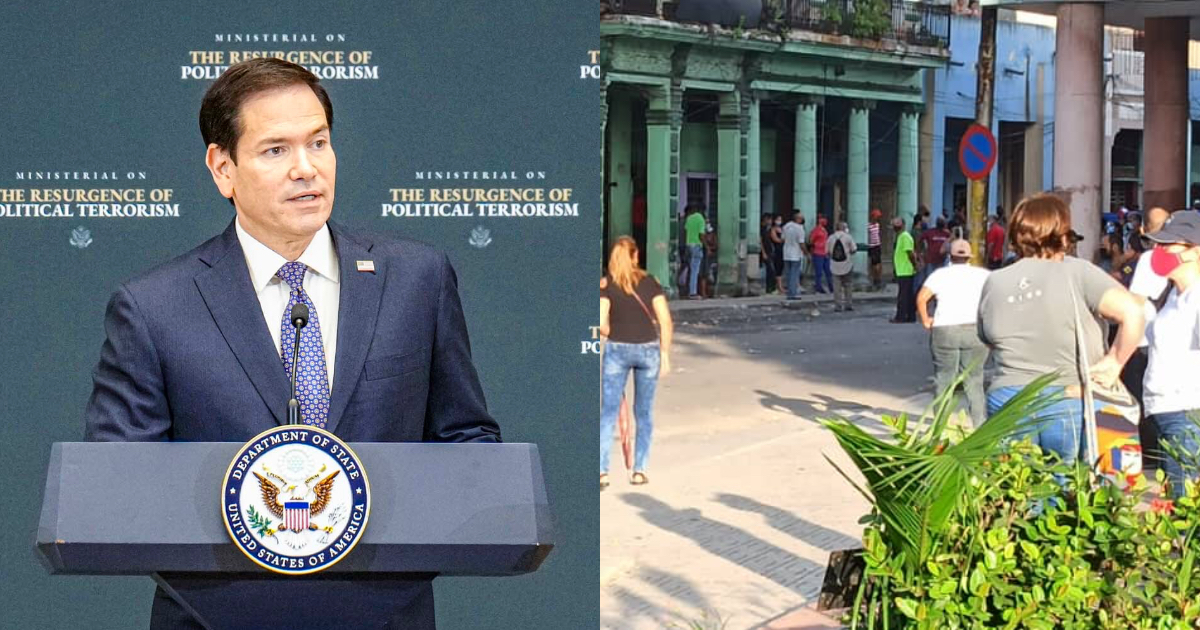
Now, with Donald Trump in office, there's a different narrative. This administration has pledged to assist the Cuban people and those forced to flee their homeland. In a country where change is rare, having a Cuban-American as Secretary of State and National Security Advisor in Washington signifies a potential shift. The chessboard has never been closer to checkmate for the dictatorship, and a similar protest today might receive unprecedented support from the U.S.
Understanding the 11J Protests and Their Impact
What triggered the 11J protests in Cuba?
The 11J protests were sparked by widespread dissatisfaction with the Cuban government's handling of economic hardships, including food and medicine shortages, power outages, and the lack of political freedom.
How has the situation in Cuba changed since the 11J protests?
Conditions in Cuba have worsened, with increased power outages, water shortages, and deteriorating healthcare services, making the situation more dire than it was five years ago.
What role does the current U.S. administration play in Cuba's future?
The current U.S. administration, under Donald Trump, has promised to assist the Cuban people and those who have left the country, potentially offering more support than previous administrations.