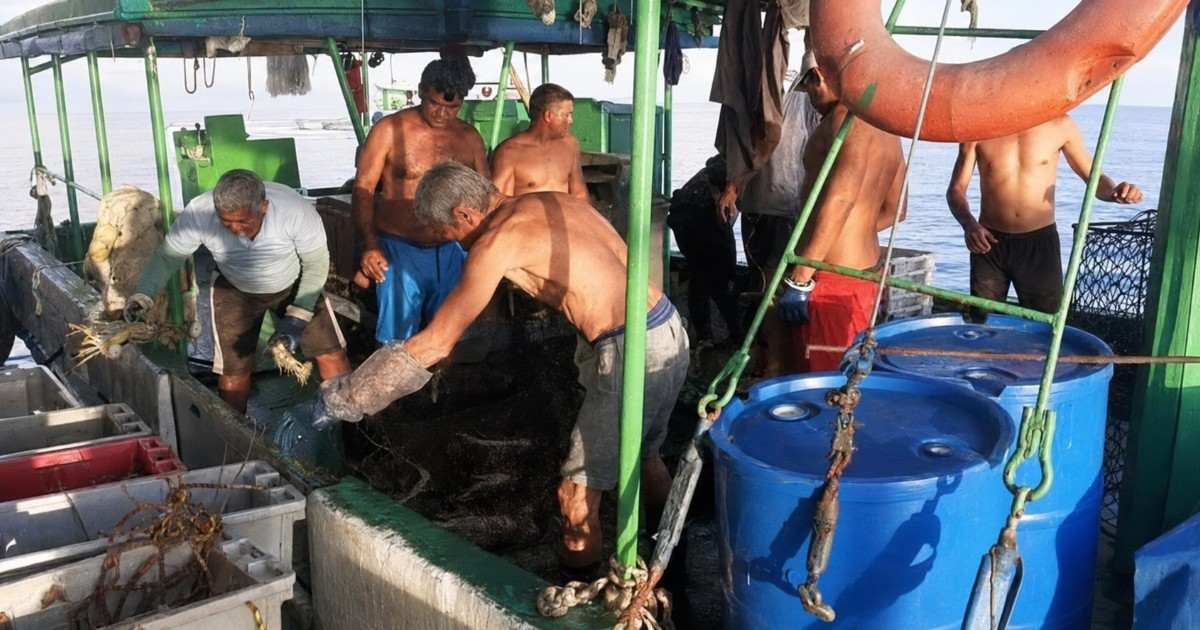
Only four out of the six lobster fishing vessels from PESCASILDA have returned to the waters off southern Trinidad following the lifting of the fishing ban. This situation underscores a struggling fleet and a government demanding results without providing necessary resources, as subtly hinted by state journalist Juan Carlos Naranjo.
The two vessels remaining docked at Casilda port are not there due to technical decisions but because of the chronic fuel shortages crippling the Cuban economy.
The crews from these two inactive ships have been reassigned to the four operational boats. This move is part of a strategy described by Alexis Albert Puig, the entity's director, as "implemented for the first time" to "double efforts to increase collection levels" while also conserving fuel.
This euphemism fails to obscure the truth: the fleet operates at just two-thirds capacity due to insufficient fuel to power all six boats.
During the off-season months, the lobster boats received only minor repairs, with only the Argus 6 receiving a new engine.
Puig candidly admitted that "the lack of spare parts and other resources limited major repair work."
Challenges in Meeting Lobster Demand
Constructing new fishing frames was also impossible because the necessary materials arrived late, although they are now available at the facility.
Despite these significant material shortages, governmental demands remain unchanged. According to the official report, July and August are "crucial months for meeting the annual plan," and Trinidad's fishermen aim to "collect high numbers" of the crustacean during this period.
Production pressure remains high, yet resources do not. This issue is widespread throughout the province.
In Sancti Spíritus, the provincial fishing company managed to capture only 8 tons per month in July, whereas the usual catch for that time of year is between 15 and 18 tons.
Out of 14 active fishing brigades in La Pesca, only five were operational due to the fuel shortage. The provincial aquaculture sector has been grappling with a cumulative deficit of 1,694 tons since 2022, achieving only 57% of its annual plan.
Energy Crisis Impacting the Economy
The energy situation is dire. In May 2026, Cuban minister Vicente de la O Levy publicly acknowledged that Cuba had "absolutely no fuel, no diesel, only associated gas."
This admission starkly contrasts with the regime's triumphant portrayal of the lobster season's opening as a means to "revitalize the national economy."
Understanding Cuba's Lobster Fishing Challenges
Why are only four out of six lobster vessels operational in Trinidad?
The limited operation of the lobster vessels is primarily due to chronic fuel shortages affecting the Cuban economy, not technical decisions.
What measures have been taken to cope with the fuel shortage for lobster fishing?
Crews from inactive ships have been reassigned to operational vessels to maximize efforts in collecting lobster while conserving fuel.
How is the energy crisis affecting the fishing industry in Sancti Spíritus?
The energy crisis has led to a reduced catch, with only 8 tons captured in July compared to the usual 15 to 18 tons. The province's aquaculture sector has also struggled, achieving only 57% of its annual plan.