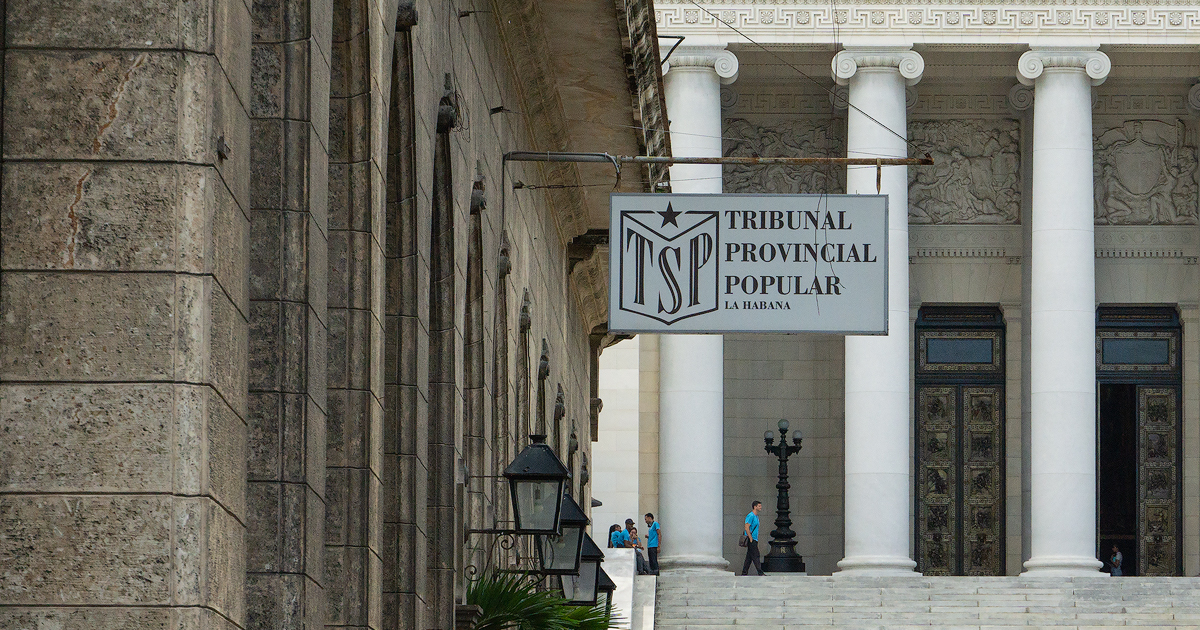
Democracies don't just vanish when parliaments are shut down or elections are suspended. Often, courts, codes, and judges remain in place. What truly disappears is the independence of the judiciary.
When the judicial system shifts from serving the law to serving the ruling authority, citizens lose their last defense against state abuse.
Cuba serves as a stark example of this process in Latin America. Following the revolution in 1959, judicial independence was gradually eroded, leading to a system where courts became subservient to the political interests of the regime. Justice stopped being a branch of government and became a tool of power.
In such a system, the accused faces more than just a prosecutor; they confront an entire political apparatus that has already predetermined the outcome of the trial.
When judges fear the repercussions of defying authority, verdicts are no longer based on evidence but on political expediency.
History shows that this erosion doesn't occur overnight. Initially, those advocating for judicial independence are discredited. Laws are then altered to enhance executive control. Finally, judicial appointments, promotions, and tenure are tied to political loyalty rather than professional merit.
At this point, the law loses its purpose. It no longer shields citizens from the state; instead, it protects the state from its citizens.
The ramifications are severe. Opponents of the regime face immense barriers to a fair trial. Critical journalists are subjected to disproportionate legal proceedings. Human rights advocates live under constant legal threat. Ordinary citizens learn that seeking justice can become a personal risk.
Without an independent judiciary, public trust erodes. People lose faith in the courts as they realize many rulings are politically motivated rather than impartial.
This is one of the crucial lessons Cuba imparts to Latin America today.
It's not enough to maintain court buildings, robed judges, or meticulously drafted codes. What truly matters is safeguarding the autonomy of those administering justice. Where judges take orders from political powers, democracy begins to lose one of its core pillars.
Judicial independence isn't a privilege for judges; it's the right of every citizen to be judged solely by the law. When this principle vanishes, freedom becomes contingent on the whims of those in power, rather than the protection of institutions.
Cuba's history illustrates that societies don't lose justice in one fell swoop. It fades away gradually through small concessions, opportunistic silence, and seemingly harmless reforms, until one day, there's no court left to defend citizens from power.
This is perhaps one of the most urgent warnings Latin America should heed before it’s too late.
The Erosion of Judicial Independence in Cuba
What happened to judicial independence in Cuba after 1959?
Following the revolution in 1959, Cuba's judicial independence was systematically undermined, leading to a system where courts became subservient to the political interests of the regime, transforming justice from a state power into a tool of the government.
How does the loss of judicial independence affect citizens?
When judicial independence is lost, citizens face significant challenges in accessing fair trials. The legal system becomes a mechanism for political control, risking personal safety for those seeking justice, and eroding public trust in the courts.
What lessons can Latin America learn from Cuba's judicial system?
Cuba's experience teaches that preserving judicial independence is crucial for democracy. Allowing political influence over the judiciary undermines justice and freedom, highlighting the importance of safeguarding judicial autonomy to prevent the erosion of democratic pillars.