The U.S. Coast Guard and the Florida Fish and Wildlife Conservation Commission (FWC) issued a safety alert on Thursday as the much-anticipated lobster mini-season is set for July 29 and 30 along Florida's coastline.
Authorities from both organizations will be actively patrolling the coastal waters to ensure compliance with state and federal fishing laws, as well as boating safety regulations.
Scott Szczepaniak, a recreational boating safety specialist with the Coast Guard's Southeast District, emphasized caution: "The lobster mini-season is extremely popular; boaters need to be well-prepared and prioritize safety. Maintaining good situational awareness is crucial. If in doubt, slow down! We've observed that many injuries occur due to collisions with other vessels, bridges, or the seabed."
Key Rules for Participants
The authorities have highlighted three primary rules for those participating in the event.
Firstly, boaters must reduce to idle speed within 300 feet of a dive flag in open waters.
Secondly, engines must be completely shut off when divers or swimmers are near the vessel.
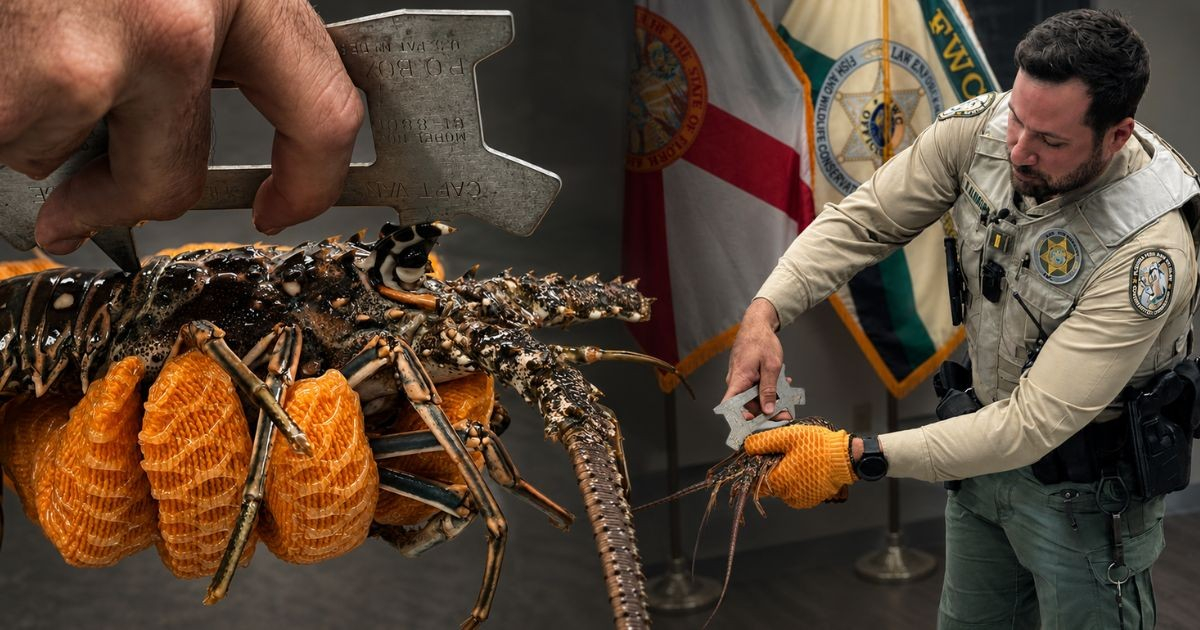
Thirdly, every lobster caught must be measured: the carapace must exceed 3 inches (7.62 cm) to be legal, measured straight from the front edge between the horns to the rear edge, excluding the tail.
Limits and Restrictions
Regarding catch limits, in Monroe County and Biscayne National Park, the cap is six lobsters per person per day, while the rest of Florida allows up to 12 per person per day.
The Coast Guard also reminded boaters of other safety precautions: avoid overloading the vessel, check navigation lights before departure, keep the engine cut-off switch engaged while underway, and navigate without alcohol.
"The marine environment can intensify the effects of alcohol," warned the official statement.
The FWC also reiterated areas where harvesting is entirely prohibited: John Pennekamp State Park, Everglades National Park, Dry Tortugas National Park, the no-take zones of the Florida Keys National Marine Sanctuary, and the Biscayne Bay Lobster Sanctuary.
Moreover, spears, hooks, any tools that puncture the carapace, and separating tails underwater are banned. Capturing egg-bearing females is strictly prohibited.
"The Coast Guard's Southeast District and the FWC are fully deployed and patrolling Florida's waters to safeguard our boaters and conserve our marine resources. Let’s keep this mini-season safe, legal, and accident-free," concluded the statement.
Historical Context and Concerns
The mini-season's track record justifies the caution. According to Divers Alert Network (DAN) data, the event has averaged two diving-related deaths per season over the past decade, with the two days of the mini-season accounting for 20 of the 48 lobster harvest-related fatalities across Florida from 2004 to 2013.
The 2025 mini-season, held on July 30 and 31, resulted in several arrests for regulatory violations.
FAQs About Florida's Lobster Mini-Season
What are the dates for the Florida lobster mini-season?
The mini-season takes place on July 29 and 30 along the Florida coastline.
What are the lobster size requirements for the mini-season?
The lobster's carapace must exceed 3 inches (7.62 cm) to be legal, measured from the front edge between the horns to the rear edge, excluding the tail.
Where is lobster harvesting prohibited during the mini-season?
Harvesting is prohibited in John Pennekamp State Park, Everglades National Park, Dry Tortugas National Park, certain areas of the Florida Keys National Marine Sanctuary, and the Biscayne Bay Lobster Sanctuary.