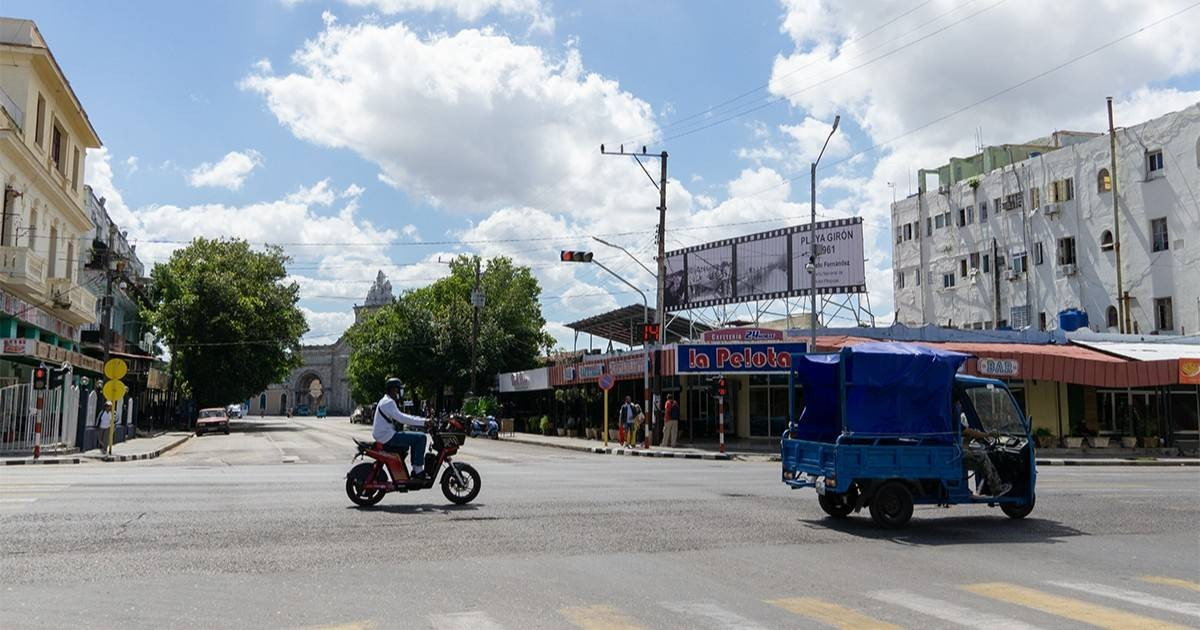
This past Wednesday, the Plaza de la Revolución municipality in Havana initiated a public bid for establishing a "Neighborhood Market" network. This pilot project aims to supply essential goods through a mixed management model that includes both state entities and private actors, as reported by official sources such as Radio Reloj and Tribuna de La Habana.
The call, issued by the Municipal Administration Council, plans to incorporate existing establishments—such as bodegas, butcher shops, and local markets—into a community-focused neighborhood commercial system, according to the state-run Radio Reloj.
Essential food items prioritized for sale include powdered milk, ground meat, hamburgers, chicken, sausages, eggs, oil, rice, sugar, flour, and coffee.
The non-food items list features detergent, soap, toilet paper, deodorant, and toothpaste—basic hygiene products that are chronically scarce on the island.
Tribuna de La Habana reports that both individuals and legal entities residing in Cuba can participate, with preference given to those living within the municipality.
Interested parties have 10 business days to submit their technical and pricing proposals at the Municipal Work Directorate, located on B Street between 21 and 23.
The project also demands the restoration of the physical appearance of the venues and the use of alternative energy sources, highlighting the commercial infrastructure's deterioration and the ongoing energy crisis in Cuba.
The public reaction to this announcement has been largely skeptical, with many Cubans dismissing it as "another experiment" by the government. This skepticism stems from a long history of government initiatives that have failed to resolve the persistent shortages.
This initiative is backed by Decree-Law 114/2025, published in the Official Gazette on March 3, 2026, which established a legal framework for partnerships between state companies and non-state actors through the creation of mixed Limited Liability Companies (S.R.L. mixta). This allows a state company to partner with private micro, small, and medium enterprises or cooperatives.
On the same day, Prime Minister Marrero announced that municipalities will now be able to approve various economic actors as part of a decentralization process.
In June 2026, the regime introduced a package of 176 economic measures that formally incorporate non-state actors into national planning, acknowledging that the market should play a more significant role in the economy.
The "Neighborhood Market" in Plaza de la Revolución stands as the first known municipal pilot applying this model to neighborhood retail. However, the government's history of unfulfilled promises explains why much of the population greets the news with more skepticism than optimism.
Understanding the "Neighborhood Market" Initiative in Havana
What is the "Neighborhood Market" initiative in Havana?
The "Neighborhood Market" initiative is a pilot project in the Plaza de la Revolución municipality, aiming to sell essential goods through a mixed management model involving both state and private entities.
Why are Cubans skeptical about this new initiative?
Cubans are skeptical because of the government's long history of introducing initiatives that have failed to address the ongoing shortages effectively.
What products will the "Neighborhood Market" prioritize?
The market will prioritize the sale of essential food items like powdered milk, ground meat, and chicken, along with non-food items such as detergent and toilet paper.