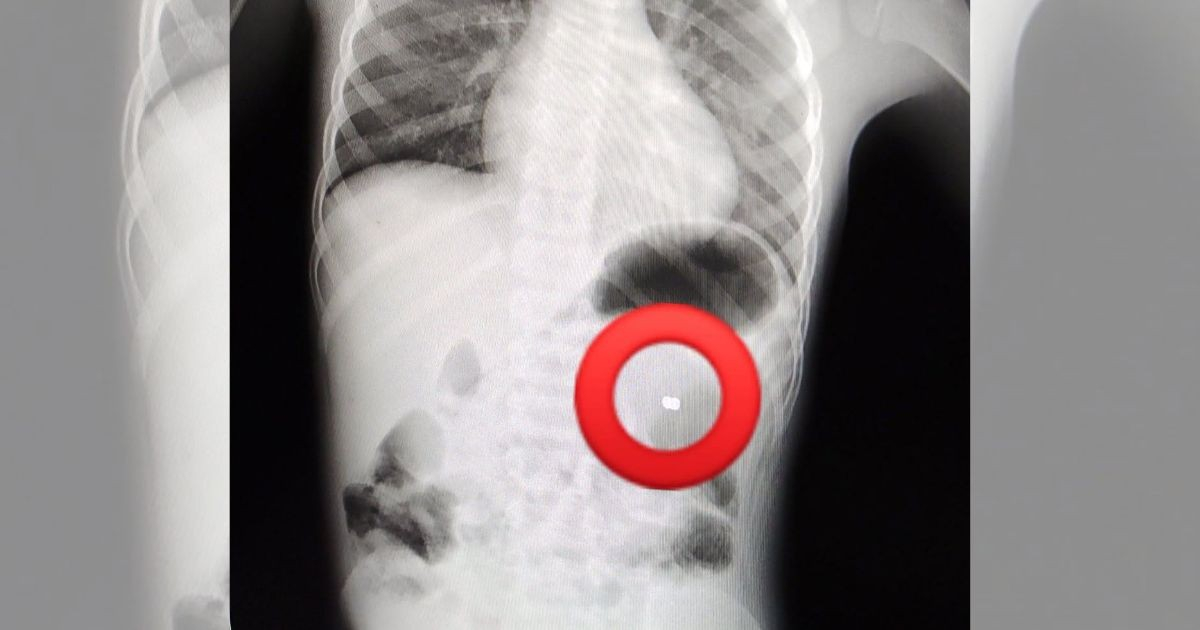
On Wednesday, the José Ramón Martínez Álvarez Pediatric Teaching Hospital in Guanajay, Artemisa, confirmed that there was no available ambulance when a request was made to transfer a child wounded by a pellet gun shot.
The hospital released a statement on Facebook after the incident sparked concern on social media, notably shared by journalist Magdiel Jorge Castro.
"There is currently a child with a pellet gun wound at the Guanajay Pediatric Hospital and no available ambulance for transfer," read one of the messages circulated about the situation.
The hospital acknowledged that the ambulance designated for the transfer was already in use, providing service to the General Teaching Hospital Comandante Pinares in San Cristóbal.
"From the moment the transfer was requested, the coordinating center informed us that the ambulance was engaged in transporting another patient from our hospital to the Comandante Pinares in San Cristóbal. Once it returned, it was redirected for this new transfer," the institution stated, highlighting the inadequacies in the emergency transport system.
During the wait, the child remained under medical supervision. According to the statement, repeated X-rays, hematocrit tests, urinalysis, blood group and factor tests were conducted, along with an abdominal ultrasound.
Once the ambulance returned, the child was transported to the Juan Manuel Márquez Pediatric Hospital in Havana, accompanied by a pediatric specialist and constant monitoring of vital signs.
Upon arrival, he was received by a multidisciplinary team at the Surgical Emergency Room, which repeated the necessary tests and imaging to confirm the diagnosis and determine treatment.
The hospital defended the care provided, ensuring the child received continuous medical attention throughout the wait.
"We acknowledge the multifaceted shortages affecting our healthcare system, but attention to a child is never delayed," the institution asserted, adding that "in the face of scarcity, our professionals rise with dedication and commitment."
Although the child was attended to, the statement confirms that the transfer could not be executed immediately due to the lack of an available ambulance at that time.
This incident once again highlights the crisis in Cuba's medical transport system. A 2022 report from the Ministry of Public Health admitted that the country only had 39.6% of the ambulances needed for medical emergencies, reflecting a deficit exceeding 60%.
Recent data indicates that the shortfall persists. In January, Matanzas was operating with just 16 out of the 54 ambulances required.
Similarly, in Granma, the addition of new units increased the number to only 17 active ambulances by June, against a previously estimated need of 54.
In February, Minister of Public Health José Ángel Portal Miranda stated that the Cuban healthcare system was "on the brink of collapse," amid fuel shortages, prolonged blackouts, and the challenges ambulances face in emergency response.
Challenges Facing Cuba's Ambulance Services
Why was there no ambulance available for the child's transfer?
The designated ambulance was already in use, transporting another patient to a different hospital, highlighting the shortage of ambulances in the system.
What measures are being taken to address the ambulance shortage in Cuba?
Efforts have been made to incorporate new units, but the deficit remains significant, with only a fraction of the required ambulances in operation.
How did the hospital manage the child's care during the wait for an ambulance?
The child was kept under medical supervision, undergoing various tests and monitoring to ensure stability until transfer was possible.