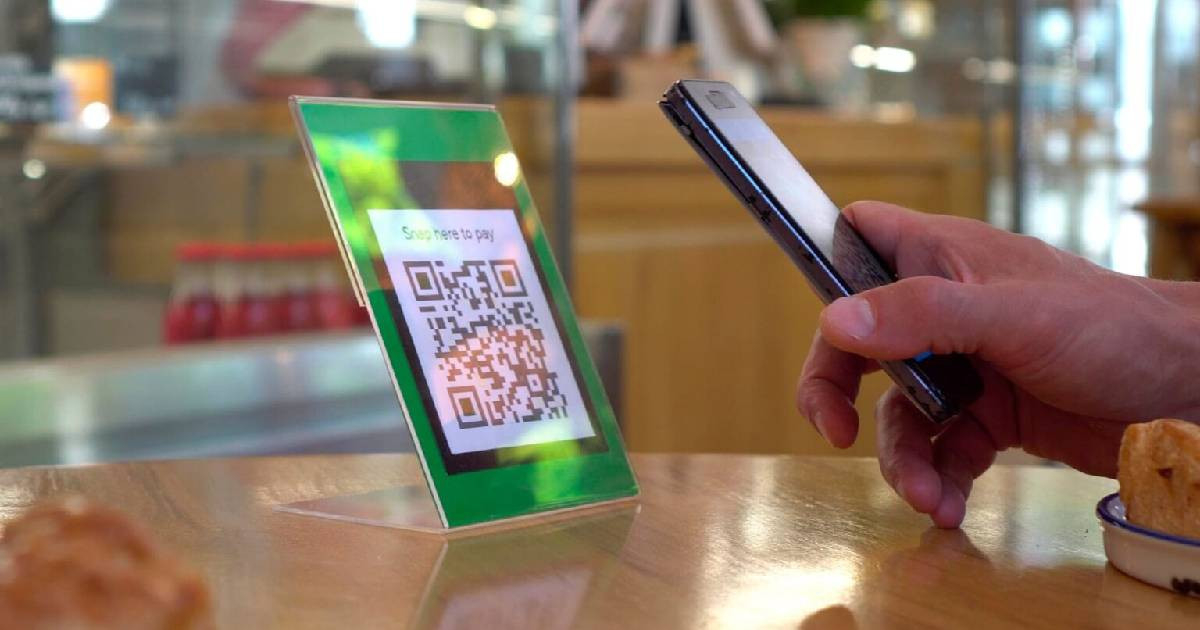
The authorities in Guantánamo have issued a warning that they will enforce legal measures against both private and state vendors who refuse electronic payment methods. This announcement comes amidst a significant banking crisis recognized by officials themselves.
During a critical meeting focused on the province's operational and socio-economic vitality, which was led by top Party and Government figures and conducted via audioconference with all municipalities, the issue was addressed.
As reported by the state-run newspaper Venceremos, the gathering called for "increased actions by the relevant inspection bodies to enforce the mandates of the Cuban banking system and government," which requires all businesses to accept electronic payment methods.
The irony is stark: while the regime threatens penalties for not accepting transfers, it simultaneously acknowledges the banks' cash shortages, which is precisely why many vendors refuse digital payments.
The state media itself has admitted that "the lack of cash in banks restricts payments, particularly in sectors such as education and public health, as well as to retirees."
According to Radio Guantánamo, Bandec managed to collect just over 35% of the nearly 15 million pesos needed daily, while BPA captured 92% of the over two million required per day.
This shortage left more than 6,000 workers in Culture, Sports, Education, and Higher Secondary Education in Guantánamo without their July salaries.
Private businesses are caught in a vicious cycle: they reject transfers because their own suppliers do not accept them and require cash to restock or purchase foreign currency on the informal market.
Nationally, only 3.77% of transactions in Cuba were digital in 2026, according to data from the official press, which has acknowledged the failure of the banking policy imposed since August 2023.
In some provinces, intermediaries charge up to 20% —and as high as 30% in Matanzas— to convert digital payments into cash, further discouraging the use of transfers.
The contradiction between Guantánamo's threats and national policy became evident when the Central Bank of Cuba published Resolution 74/2026 on July 17, which indefinitely removes the 5,000-peso limit on cash payments between economic actors—effective since August 2023—implicitly acknowledging the failure of the restrictive policy.
This resolution also includes incentives such as reduced fees for businesses and consumer bonuses for using online payments, directly contradicting the coercive approach enforced by provincial authorities.
While the government intensifies its warnings against vendors, a resident of Santa Clara reported that it took three days to withdraw just 40% of his salary in cash.
Understanding Cuba's Banking Crisis and Electronic Payment Policies
Why are vendors in Guantánamo refusing electronic payments?
Vendors in Guantánamo are refusing electronic payments due to the severe cash shortages in banks, which limit their ability to operate and force them to rely on cash transactions for restocking and purchasing foreign currency.
What measures are being taken by the Cuban government to enforce electronic payments?
The Cuban government is threatening legal action against vendors who do not comply with the mandated acceptance of electronic payments. This includes increased enforcement by inspection bodies and incentives such as reduced transaction fees and consumer bonuses for using digital payments.
How has the banking crisis impacted workers' salaries in Guantánamo?
The banking crisis has left more than 6,000 workers across sectors such as Culture, Sports, and Education in Guantánamo without their July salaries due to insufficient cash in banks.
What changes were introduced by Resolution 74/2026?
Resolution 74/2026, issued by the Central Bank of Cuba, removed the 5,000-peso limit on cash payments between economic actors and introduced incentives for electronic payment use, acknowledging the failure of previous restrictive cash policies.