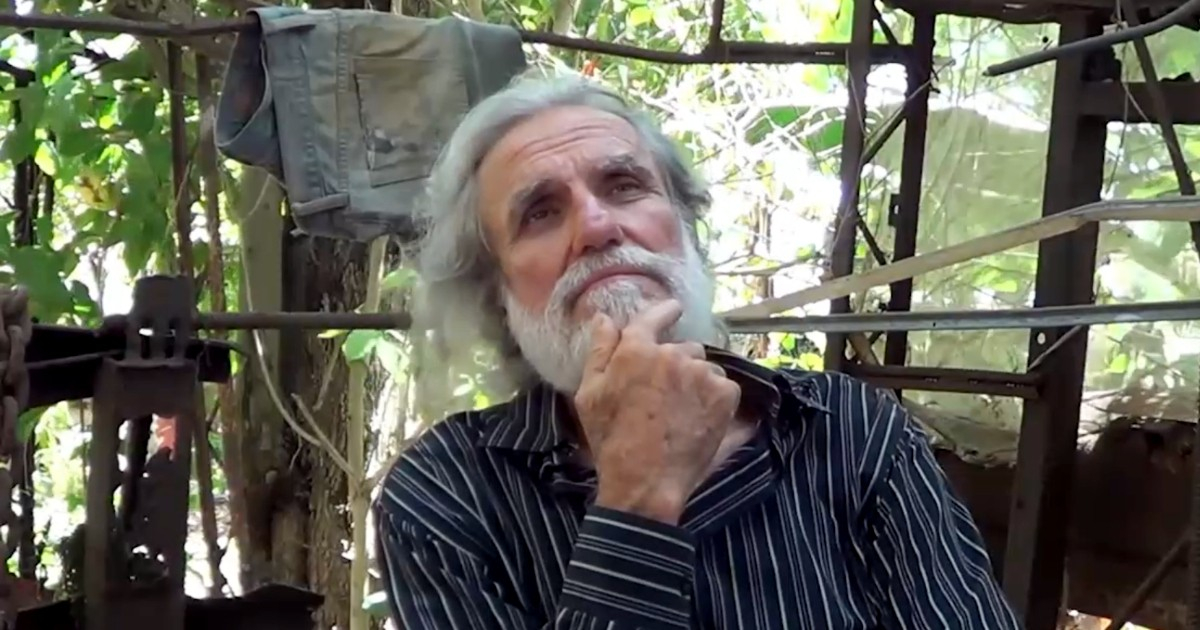
The Cuban government on Monday prevented independent journalist and blogger Agustín Valentín López Canino from returning to the island while he was visiting the United States, despite his residence being in Cuba.
This incident was brought to light by Ramón Saúl Sánchez, president of the Movimiento Democracia, through his social media posts from Miami International Airport.
"At this moment, at Miami International Airport, the lifelong dictatorship of Cuba has just denied entry to activist Agustín López Canino because of his civic opinions. Agustín was visiting the USA and his home is in Cuba," Sánchez posted.
Background of López Canino's Activism
Born in 1955 in Santo Domingo, Villa Clara, López Canino is a committed human rights advocate with a documented history of facing repression.
On December 10, 2023, Cuban authorities detained him along with fellow activist Wilber Aguilar just before their annual peaceful march in Havana to honor International Human Rights Day.
In June 2026, he was once more taken into custody in Havana by political police officers, as reported by the Cuban Institute for the Freedom of Expression and Press (ICLEP). He endured nearly 12 hours at a National Revolutionary Police unit.
Impact of Cuba's Immigration Laws
The López Canino case fits into a recurring pattern codified by new immigration laws enacted in 2026. Laws 171, 172, and 173, which became effective on May 5, 2026, grant broad discretionary power to deny entry or exit to those deemed a threat by the regime.
Article 24.1 of the Migration Law prohibits entry to individuals who "organize, incite, carry out, or participate in hostile actions against the political, economic, and social foundations of the Cuban state."
The organization Cubalex has raised concerns that these laws establish a securitized and arbitrary control system over people's mobility, without official notification or legal recourse for those affected.
Cubans who are "regulated" only become aware of their status upon arriving at the airport, as was the case on Monday with López Canino.
Other Recent Incidents and Forced Exile
This is not an isolated incident. In February 2026, the regime sent Leticia Ramos Herrería, a member of the Ladies in White, back to Miami when she attempted to return to Havana without any official explanation. Activist Omara Ruiz Urquiola has been repeatedly denied entry to Cuba since 2022.
The regime has also employed forced exile as a means of repression. José Daniel Ferrer was expelled to Miami on October 13, 2025, after over two years in prison, and Luis Manuel Otero Alcántara arrived in Miami on July 19, 2026, after five years in jail, with his release contingent on leaving the island permanently.
Ramón Saúl Sánchez, who reported López Canino's case, has personal experience with the regime’s arbitrary immigration policies. He arrived in the United States in 1967 as a 12-year-old political refugee and faced a long-standing immigration limbo until a judge halted his deportation order in July 2023, granting him protection from torture.
López Canino encapsulated his defiance against the regime with the statement: "I've always been unruly in everything except my conscience."
Frequently Asked Questions on Cuba's Immigration Policies
What are the new Cuban immigration laws implemented in 2026?
The new Cuban immigration laws, specifically Laws 171, 172, and 173, allow the regime to broadly deny entry or exit to individuals considered a threat. These laws came into effect on May 5, 2026, and include provisions like Article 24.1, which prohibits entry to those involved in actions deemed hostile to the state.
How does the Cuban regime enforce travel restrictions?
The regime enforces travel restrictions through a "regulated" status, which individuals learn about only upon attempting to travel. This status is part of a broader securitized control system over human mobility, lacking official notification or legal defense options for those affected.