This past Saturday, coinciding with the World Listening Day, the official Escambray newspaper published a report confirming ongoing complaints from residents of Sancti Spíritus. The issue of noise pollution in the province not only persists but has intensified since the outlet first raised the alarm in 2022.
Back in 2019, Escambray highlighted the unchecked actions of those causing significant "auditory violence" and criticized the "deafness" of certain authorities responsible for upholding noise control as a citizen's right.
The prognosis for 2026 appears even bleaker: noise has spread like a plague across urban areas in the province, bemoaned the publication.
Escalating Noise Concerns
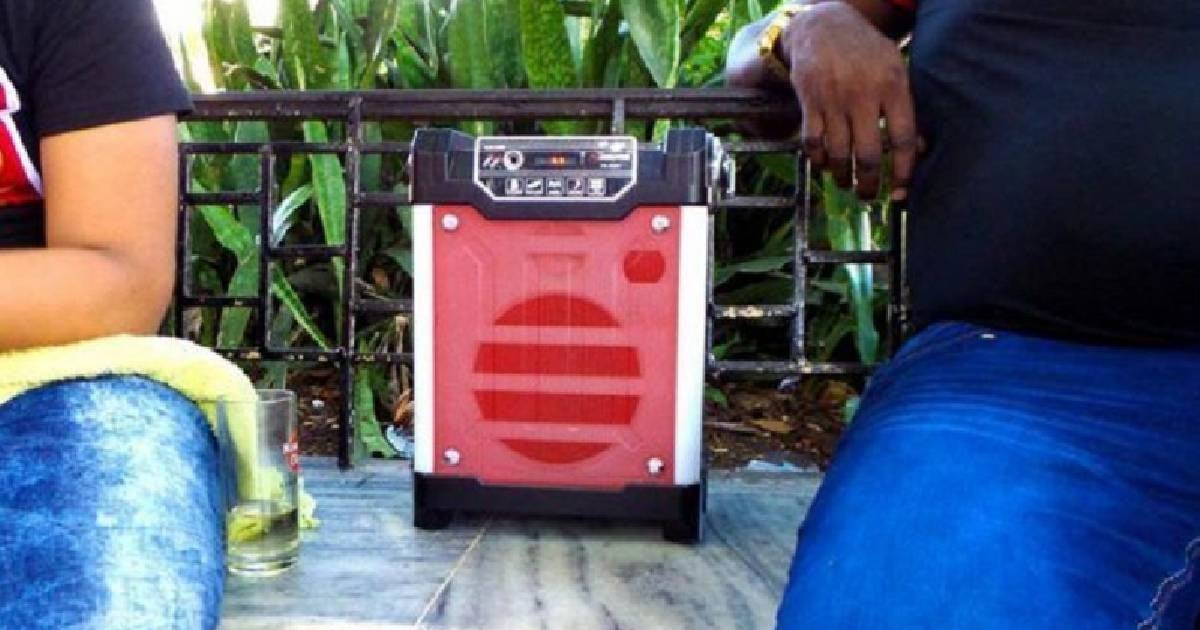
Portable speakers, blaring music from pedicabs and motorbikes, vehicles with modified exhausts, and nocturnal activities in bars and cultural centers lacking proper acoustic conditions create a soundscape that consistently breaches legal limits.
Cuban regulations on noise and vibrations set a maximum of 70 decibels during the day and 66 decibels at night for residential areas.
These thresholds are regularly exceeded in critical spots such as the Cultural Plaza of Olivos I in the provincial capital and the Historic Center of Trinidad.
Impact on Daily Life and Heritage
Residents of the 12 Plantas building in the capital report losing sleep due to the racket, particularly during weekends, as the noise persists well into the early hours.
In Trinidad, the problem also threatens the integrity of built heritage, as vibrations from loud music in venues without acoustic insulation damage historical structures.
Continuous exposure to sound levels above 70 decibels can cause permanent hearing damage, and constant noise is linked to insomnia, stress, and irritability, according to experts cited by Escambray.
Legislation and Enforcement Challenges
Cuba has legal frameworks to address this issue: Law 150 of 2022, Decree 96 of 2023, and Decree Law 200/99, which imposes fines ranging from 200 to 2,250 pesos for emissions exceeding 65 decibels. However, enforcement is virtually nonexistent, and the public perceives these laws as ineffective.
The problem is not confined to Sancti Spíritus. In April 2025, residents of Los Arabos in Matanzas reported weekly noise assaults from government-supported activities, with no response from authorities for over five months.
In September of the same year, a survey in Las Tunas revealed over 70% of respondents found music from motorbikes, pedicabs, and recreational centers "deafening" and "irritating."
Energy Crisis Exacerbates Noise Issues
The energy crisis has compounded the problem. In June, a resident of the Granma building in Nuevo Vedado, Havana, complained about the unbearable noise from an ETECSA generator running 24/7, while the neighborhood receives just two hours of electricity daily.
Recently, authorities in Guantánamo launched operations against loud motorcycles and music, detaining vehicles with a 1,000 pesos daily fee, in a province enduring power outages lasting up to 30 hours at a time.
Understanding Noise Pollution in Cuba
What are the main sources of noise pollution in Sancti Spíritus?
The primary sources include portable speakers, loud music from pedicabs and motorbikes, vehicles with modified exhausts, and nightlife activities in inadequately soundproofed venues.
How does noise pollution affect residents in the area?
Residents experience sleep disturbances, particularly on weekends, and there are broader health implications such as hearing damage, stress, and irritability.
What legal measures exist to combat noise pollution in Cuba?
Cuba has implemented Law 150 of 2022, Decree 96 of 2023, and Decree Law 200/99, imposing fines for noise emissions exceeding 65 decibels. However, enforcement remains weak.