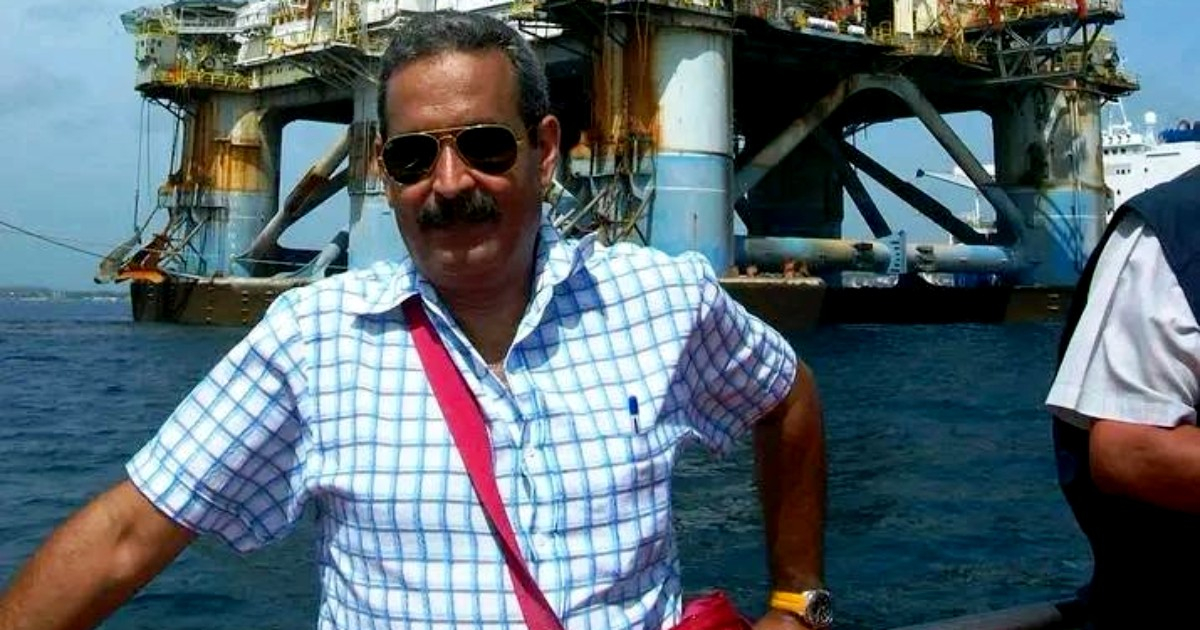
José Miguel Solís, who served as a correspondent for Radio Rebelde in Matanzas for nearly three decades, is well-known for his coverage of Cuba's electrical system. Recently, he took to Facebook with a poignant question highlighting the collapse of Cuba's social security system: “What if I tell you I couldn’t collect my pension in the end?”
Posted on his public profile last Friday, Solís’ message, laced with irony and exasperation, starkly contrasted with his previous optimistic reporting on the supposed advancements within Cuba's energy sector and state institutions.
As a recognized figure in Cuban state journalism, Solís specialized in reporting on the Antonio Guiteras Thermoelectric Plant and the National Electric Union (UNE). Over the years, he chronicled the system’s achievements, but as the crisis worsened, his social media posts became increasingly critical.
The Reality Behind the Facade
In August 2025, Solís called for fairness in power outage distributions after enduring more than 22 hours without electricity, describing the situation as "extreme inequity." Earlier that year, he criticized the "great paradox" of leaving 130 circuits without service for nearly a day right after the Guiteras plant was synchronized. In May 2024, he highlighted the tense blackout situation and rebuked the UNE for breaking promises during Mother's Day.
In recognition of his career, the Cuban Journalists Union in Matanzas awarded him the Bonifacio Byrne Provincial Journalism Prize "For Life’s Work" in 2026, a nod to his impending retirement.
A Broader National Struggle
Solís’ predicament is not unique. Over 1.7 million Cuban retirees endure monthly struggles to receive a meager pension of 4,000 pesos, which is less than eight dollars at the current informal exchange rate. This amount falls short of covering even basic necessities, such as a kilogram of chicken priced at approximately 4,600 pesos, while the essential food basket in Havana costs over 30,000 pesos.
The banking system lacks sufficient cash to serve all pensioners, with power outages rendering ATMs useless. Additionally, the digital banking push initiated in 2023 excludes many elderly individuals who lack smartphones or internet access.
In June 2026, the government in Granma admitted it didn't have funds to pay more than 111,000 retirees in the province, resulting in staggered payments.
On Saturday, a journalist captured the struggles of retirees, some spending up to eight hours waiting on the pavement to claim their pensions, a scene that is emblematic across the island.
Solís’ experience underscores the indiscriminate impact of the crisis: the very system he faithfully reported on for years ultimately failed to deliver what it owed him.
Understanding Cuba's Pension Crisis
What are the main challenges faced by Cuban pensioners?
Cuban pensioners face numerous challenges including insufficient pension amounts, lack of cash in banks, non-functional ATMs due to power outages, and exclusion from digital banking services.
How has the Cuban government responded to the pension crisis?
The Cuban government has acknowledged the lack of funds to pay pensions, resorting to staggered payments as a temporary solution in some provinces.