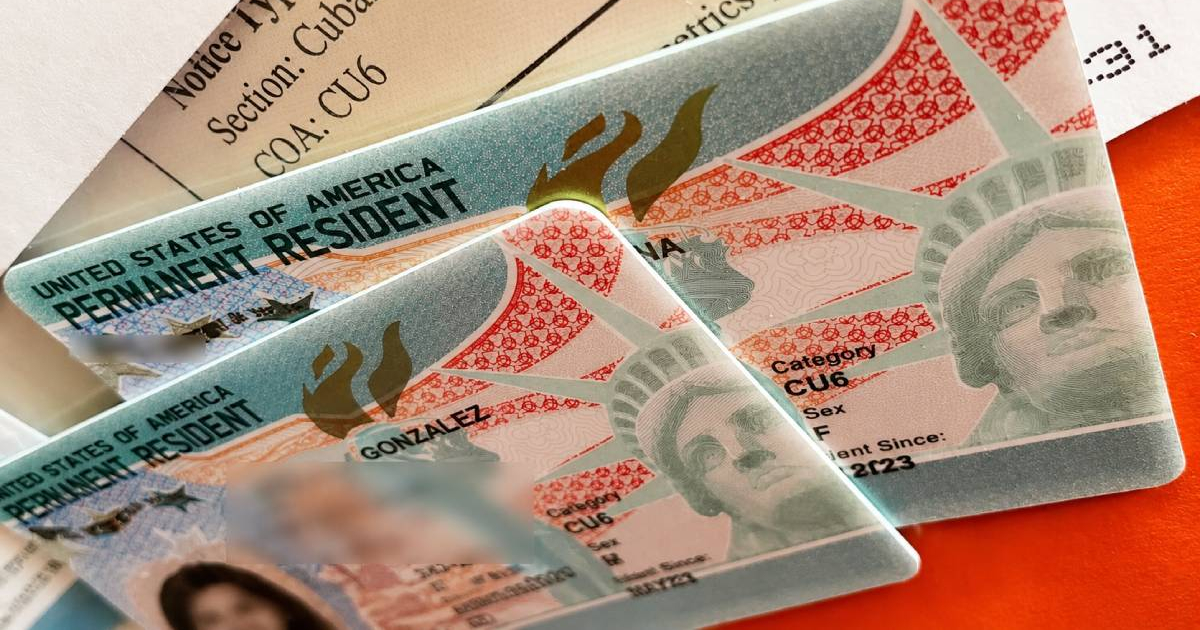
The United States Department of State is contemplating the implementation of a $100,000 bond for certain permanent residency applicants processing their cases in American consulates abroad.
According to The Wall Street Journal, this measure would primarily target individuals deemed potential "public charges," meaning those who might rely on government assistance after acquiring residency.
On Friday, State Department spokesperson Tommy Pigott confirmed that the agency is exploring the possibility of imposing a "six-figure" bond on such applicants.
"The Trump administration is reinstating the fundamental expectation that immigrants to the United States should contribute more to our society than they receive," Pigott stated.
The reported details suggest that the bond would be refundable but only after the immigrant becomes a naturalized U.S. citizen, a process that takes a minimum of five years following the acquisition of the green card.
If the recipient uses public assistance programs or violates other conditions, the bond could be forfeited.
Family members already residing in the United States might cover the bond on behalf of the applicant, and the final amount could differ based on individual case circumstances.
Trial and Expansion Plans
Officials plan to initially test this scheme in a select group of countries before deciding on its broader implementation.
This proposal complements another policy already in place: a USCIS memorandum from May 22, 2026, stipulating that the default path to obtaining a green card is through consular processing abroad, rather than status adjustment within the United States.
This change implies that thousands of individuals with temporary visas, who previously could regularize their status without leaving the country, would now need to do so from abroad and potentially pay $100,000 under the new proposal.
Historical Context and Reactions
The most direct precedent of this initiative is a pilot program launched in August 2025, when the State Department began requiring bonds of up to $15,000 for visitors from 50 countries — including Cuba and Venezuela since January 21, 2026 — with a 97% compliance rate in visa deadlines.
Simultaneously, the Department of Homeland Security released the new "public charge" rule on Friday, set to take effect on September 18, 2026, allowing USCIS officers to consider the use of Medicaid, food stamps, and housing aids as negative factors for denying permanent residency.
Immigration attorneys strongly oppose the bond proposal. Sharvari Dalal-Dheini, director of government relations at the American Immigration Lawyers Association, warned that the plan turns the immigration system into a "pay-to-play" scheme.
"We are making our system pay-to-play: only the wealthy can come to visit, reunite with their family, or seek a better life," Dalal-Dheini told The Wall Street Journal.
While the proposal has not yet been officially approved, the swift manner in which the Trump administration has enacted other immigration changes makes it a looming threat.
A potential complication for its implementation is the judicial annulment of the $100,000 fee for H-1B visas: a federal judge invalidated it in June 2026, ruling that the executive branch exceeded its authority.
Understanding the Proposed Green Card Bond Requirement
What is the purpose of the proposed $100,000 bond for green card applicants?
The proposed bond aims to ensure that immigrants do not become reliant on government assistance and contribute positively to U.S. society. It targets those considered potential "public charges."
How can the bond be refunded to the applicant?
The bond is refundable only when the immigrant becomes a naturalized U.S. citizen, a process that takes at least five years after obtaining the green card.
Is the $100,000 bond proposal officially approved?
As of now, the bond proposal is not officially approved. However, the Trump administration's history of fast-tracking immigration changes makes its approval a potential risk.