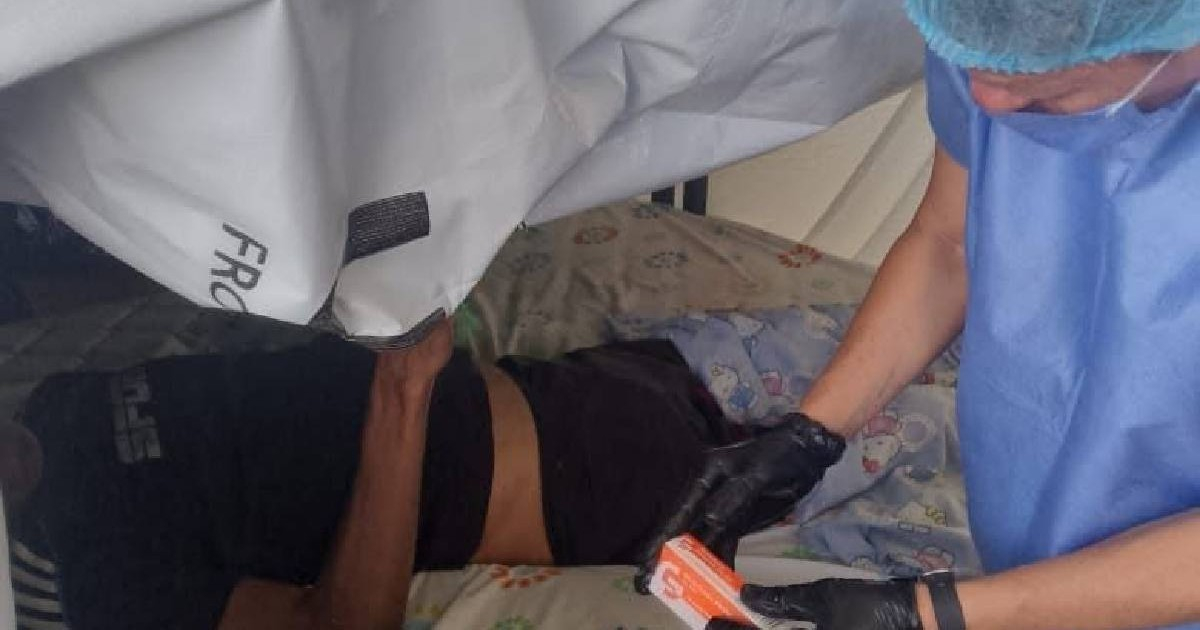
Yohandra Puga Capote, an emergency nurse from Camagüey, Cuba, had been on a mission in Venezuela for 27 months when the ground started shaking at 6:10 PM on June 24.
Her experiences during and after that day were chronicled in a testimony published by the state-run newspaper, Adelante. She recounted feelings of fear, desperation, and uncertainty from the most devastated area by the double earthquakes that rattled Venezuela.
The two quakes, with magnitudes of 7.2 and 7.5, struck just 39 seconds apart, turning La Guaira into a scene of destruction: over 250 buildings collapsed, the José María Vargas Hospital was destroyed, and Maiquetía Airport had to close due to damage.
As of July 12, the official toll reached 4,490 dead and 16,740 injured, with over 17,000 people homeless, while international organizations estimated tens of thousands missing.
Yohandra shared that she had never experienced anything similar in Cuba. However, she managed to keep calm. "Luckily, I didn't panic that day and reacted in time. I started calling my colleagues who live on the third floor of the house, and we ran out.
The initial moments were filled with desperation, fear of another tremor, and intense concern for all the Cubans in the state. People were running, crying, and screaming. I can tell you about it, but you have to live it."
Alongside her mission companions, she fled to higher ground following the guidance of Venezuelan neighbors who feared the sea might surge. By ten that night, all Cuban collaborators gathered in one place and stayed there until dawn.
That night, she couldn't communicate with her family either. She thought of her 13-year-old twins, her mother, sister, and nephew. She didn’t hear from them until 48 hours later when she managed to notify them via a cousin living in another Venezuelan state.
"Once I spoke to them, the first thing they said was to come back. At that moment, you have to calm them from afar, and it's tough, but my duty is here in Venezuela now," she recounted.
Since then, she has not stopped. Yohandra works in the Integral Diagnostic Centers (CDI), cares for hospitalized people who lost their homes, visits shelters, and reaches out to affected communities. Her role extends beyond treating physical injuries; she also provides emotional support to those who find no solace.
"If I have to describe what I see in people, it's a lot of sadness, desperation, uncertainty. I imagine they wonder what will become of them, how they'll rebuild their homes, how they'll cope with the loss of their loved ones. Sometimes, I don't know how to act because they are so affected."
What impacts her the most are those still hoping to find a family member alive in the rubble. "That's the most striking, everyone desperate to find their people and at least give them a dignified end."
In response to the catastrophe, Cuba, which had to recall dozens of its doctors from Venezuela after the capture of Nicolás Maduro on January 3, sent the Henry Reeve Contingent in two groups on June 28 and 30, including surgeons, forensic experts, search dogs, and over seven tons of equipment.
At least 32 Cubans were reported missing, concentrated in areas of La Guaira such as Caraballeda, Catia La Mar, and Los Corales, and the MINREX confirmed the deaths of several nationals, including a young girl, Vanessa Martínez.
Key Facts about the Earthquakes in La Guaira
What were the magnitudes of the earthquakes in La Guaira?
The earthquakes had magnitudes of 7.2 and 7.5, occurring just 39 seconds apart.
How many people were affected by the earthquakes?
The official toll as of July 12 was 4,490 dead, 16,740 injured, and over 17,000 homeless, with tens of thousands estimated missing.
What is Yohandra Puga Capote's role in Venezuela?
Yohandra works in the Integral Diagnostic Centers, caring for hospitalized individuals who have lost their homes, and she provides emotional support to those affected by the disaster.