The United Nations Development Program (UNDP), through its Small Grants Program, has announced a call for proposals to support environmental projects in Cuba, offering up to $75,000 in funding for equipment and supplies.
The primary goal is to foster the development of initiatives on the Island that deliver environmental benefits and enhance community quality of life through local action.
However, the UN agency imposes a stipulation that places the regime in full control of the funds: no organization can directly access the money without approval from a Cuban institution aligned with the State.
This requirement reveals the program's true operation: proposals must have the endorsement of a Cuban institution specialized in the subject, which will be responsible for presenting the project to the Ministry of Foreign Trade and Foreign Investment (MINCEX).
This means the government acts as a mandatory filter before any funds reach those working on the ground.
In fact, the call specifies that grassroots community organizations, including local councils, agricultural cooperatives, and legally registered "non-governmental organizations," can apply. This effectively excludes independent environmental groups not aligned with the government.
Focus Areas and Eligibility
Published by Cubadebate, the call targets four key areas: sustainable management of terrestrial, coastal, and marine landscapes; food security, sustainable agriculture and fisheries; energy transition to renewable sources; and urban environmental sustainability.
Applicants must also commit to co-financing in Cuban pesos to ensure the execution of their initiatives.
Ongoing Environmental Crisis
The initiative, led by UNDP in Cuba with financial backing from the Global Environment Facility (GEF), is open until September 18, with selected projects lasting up to two years.
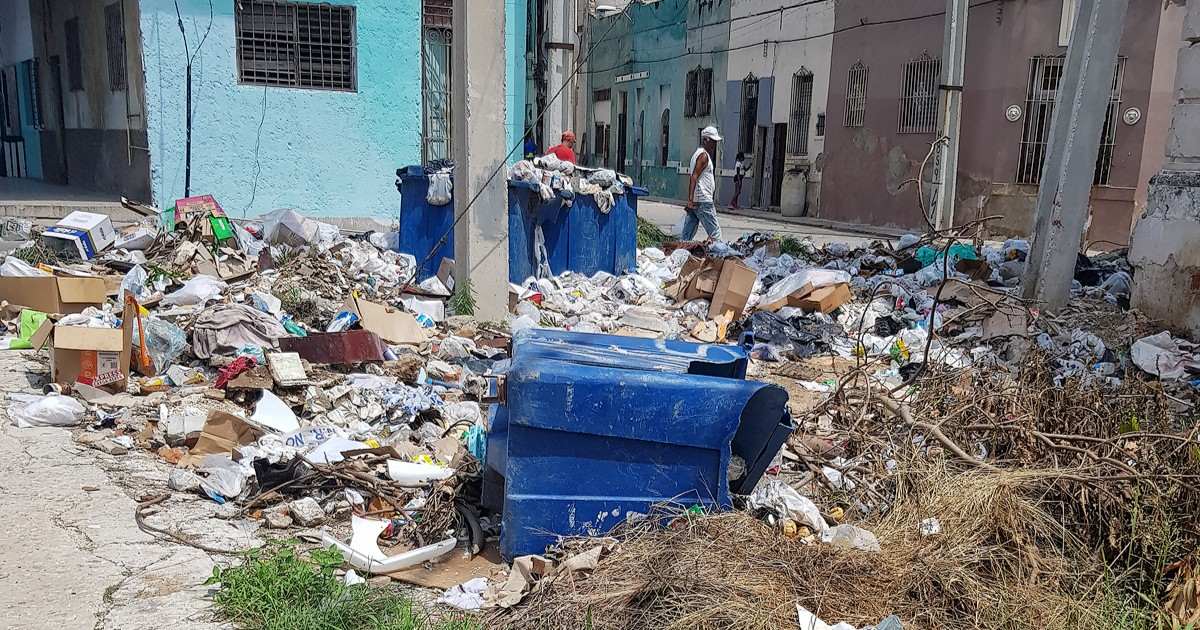
This comes as Havana faces an unprecedented garbage crisis, with only 44 of 106 garbage trucks operational due to fuel shortages, leaving between 13,000 and 23,814 cubic meters of waste uncollected daily.
Residents resort to burning trash in the streets, and the Food Monitor Program has already warned of a public health emergency threatening the capital's food security.
Historical Context of Funding
This is not the first time international environmental funds for Cuba have been channeled through the state apparatus.
The Basque Country allocated 250,000 euros in June 2026 for sustainability projects in Havana, also via UNDP.
Last week, UNDP launched a plastic waste management project in Havana's San Isidro neighborhood, executed in partnership with the City Historian's Office.
The Small Grants Program has been operating in Cuba for over two decades, supporting 182 projects across the country. The Global Environment Facility has invested approximately 44 million dollars in 19 national projects since 1992 on the Island, mobilizing about 240 million in co-financing, with UNDP as the main channel.
Frequently Asked Questions About UNDP Environmental Grants in Cuba
Who can apply for the UNDP environmental grants in Cuba?
Grassroots community organizations, including local councils and legally registered non-governmental organizations, can apply. However, the proposals must have the endorsement of a Cuban institution aligned with the state.
What areas do the grants focus on?
The grants focus on sustainable management of landscapes, food security, renewable energy transition, and urban environmental sustainability.
Why does the Cuban government have control over the funds?
The program requires that projects have the backing of a Cuban institution, which must present the project to the Ministry of Foreign Trade and Foreign Investment, thereby giving the government control over the distribution of funds.