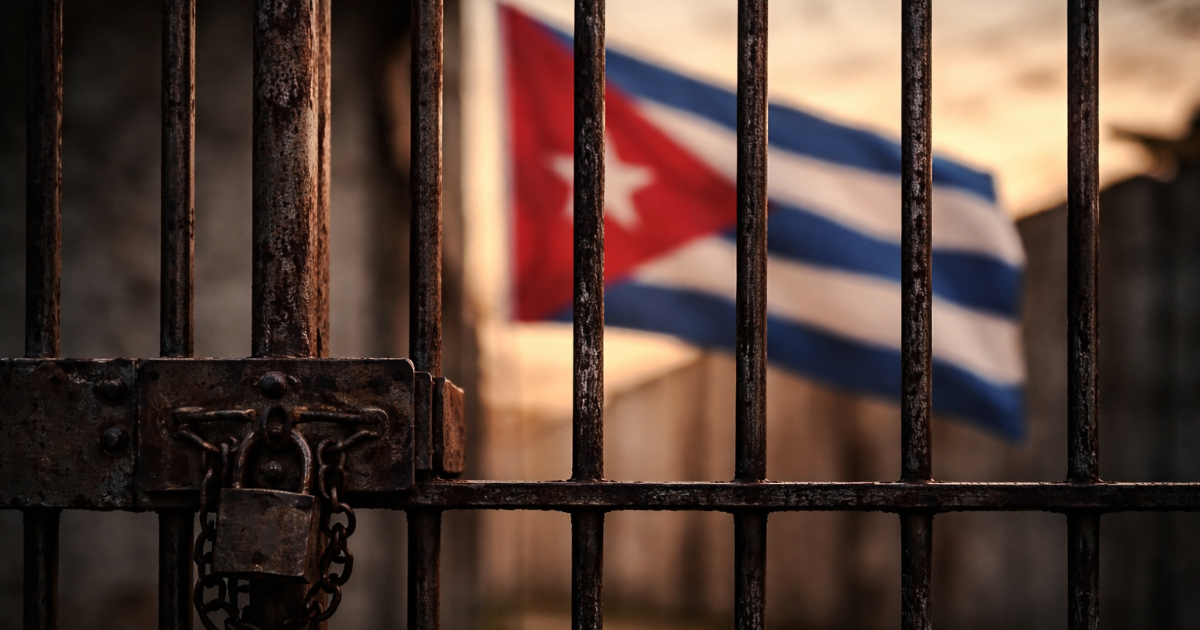
The Cuban human rights organization Cubalex has reported 319 instances of repression and 608 harassment incidents across Cuba during June 2026. Their monthly report, released this week, highlights a period marked by the simultaneous collapse of essential services and a state-controlled response under the guise of a "state of war."
Repression extended beyond organized activism, affecting ordinary citizens as well. While 52% of those targeted were activists, the remaining 48% were everyday Cubans taking to the streets to demand solutions amid energy, water, and health crises.
The report also sets a new record for protests, documenting 253 demonstrations throughout the month, surpassing the previous high of 233 in March 2026, with an average of eight protests daily. The peak occurred on June 19, with 31 protests, surpassing the 30 recorded on May 13, marking the highest since Cubalex began documentation in 2022.
Protest Hotspots Across the Island
Havana was the epicenter of these protests, with 176 demonstrations, particularly intense in the municipalities of Plaza de la Revolución, Diez de Octubre, and Playa. Santiago de Cuba followed with 35 protests, and Villa Clara with 17, standing out as major centers of national mobilization.
Protest methods ranged from banging pots and pans, burning trash and tires, blocking streets, throwing stones at police stations and banks, graffiti against the government and Raúl Castro, to at least one incident of anti-riot forces clashing with civilians.
Human Rights Violations in Cuban Prisons
Incidents against incarcerated individuals led the repressive statistics with 138 reported cases. The Special Prison Kilo 8 in Camagüey remained the focal point for abuses, with 23 documented events involving beatings, malnutrition, isolation, and denial of medical care for political prisoners.
There were also 52 arbitrary detention events affecting at least 95 people. According to Prisoners Defenders, Cuba had 1,306 political prisoners by the end of June, including 40 minors, 16 of whom were held in adult facilities. In June alone, 32 new political prisoners were added, among them six teenagers aged 15 to 17.
Energy Crisis Sparks Nationwide Upheaval
The underlying cause of the crisis was the energy situation. On June 25, an unprecedented power deficit of 2,208 MW left nearly 70% of the country without electricity. In some areas of Matanzas, power outages lasted up to 85 consecutive hours. Cubalex noted that prolonged blackouts "disrupted water pumping, hindered food preservation, limited mobility, and compromised the operation of healthcare facilities."
Amid this turmoil, the organization documented 28 homicides in June, 10 of which were femicides. One woman was allegedly killed by her ex-partner during a blackout in Camagüey, illustrating how the energy crisis exacerbates risks for women.
In response to escalating protests, the regime enacted 176 Economic and Social Transformations on June 18 and 19, which included ending the universal ration book, raising the minimum wage from 2,100 to 3,210 pesos, and granting greater autonomy to the private sector. Cubalex criticized these measures, stating they "prioritize economic restructuring and fiscal control over immediate protection for the most affected individuals" and warned that the main risk lies in "shifting the burden of addressing structural deficiencies onto families, local governments, and the non-state sector without ensuring prior access to food, water, healthcare, transportation, and decent work."
Key Questions About Cuba's Current Crisis
What are the main causes of the current crisis in Cuba?
The main causes include the collapse of essential services like electricity and water, leading to widespread public discontent and protests.
How has the Cuban government responded to the protests?
The government has enacted economic measures, such as ending the ration book and raising wages, but these actions have been criticized for not addressing immediate needs.
How are ordinary citizens participating in the protests?
Ordinary citizens are engaging in various protest activities, including blocking streets, banging pots and pans, and creating graffiti against the government.