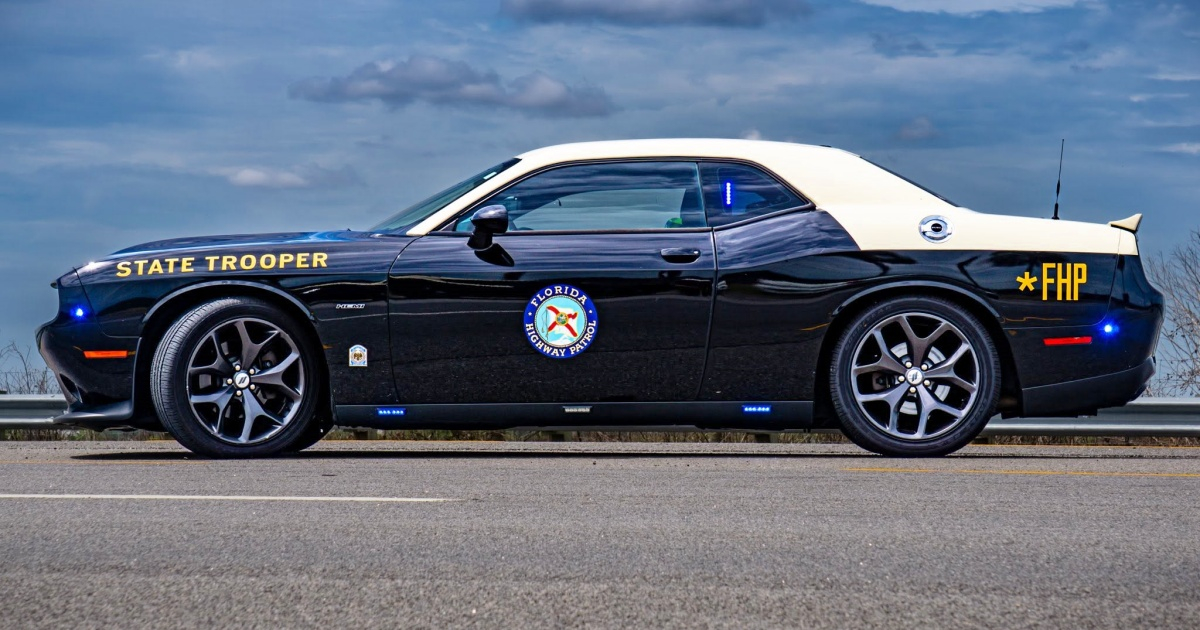
The Florida Highway Patrol (FHP), along with over 490 law enforcement agencies across five southeastern states, initiated the "Southern Slow Down" operation on Monday, July 13. This regional effort, continuing through Saturday, July 18, aims to reduce fatalities caused by speeding on highways and interstates.
Local reports highlight the collaboration between law enforcement in Florida, Alabama, Georgia, South Carolina, and Tennessee—states comprising the National Highway Traffic Safety Administration's (NHTSA) Region IV.
Broader Focus on Risky Driving Behaviors
While curbing speed is a primary goal, Univision Orlando notes that officers will also address other hazardous driving habits. These include:
- Aggressive driving
- Unsafe lane changes
- Tailgating
- Using cell phones while driving
- Driving under the influence of alcohol or drugs (DUI)
- Failure to wear seat belts
The specific locations for increased patrols remain undisclosed, but efforts will focus on high-accident areas like I-95 in Miami, I-4 in Tampa, and the Florida Turnpike in Orlando.
Leadership and Coordination in Florida
In Florida, the FHP spearheads the initiative with support from the Florida Department of Transportation (FDOT) and the Department of Highway Safety and Motor Vehicles (FLHSMV), along with local sheriff’s offices and municipal police departments.
FDOT Secretary Jared W. Perdue emphasized the dangers of unsafe driving behaviors, highlighting their significant role in road fatalities and severe injuries. Colonel Gary Howze, head of the Florida Highway Patrol, stressed that speeding is a deliberate choice that endangers lives, explaining the operation's blend of increased police presence and traffic safety education across all five states.
Legal Framework: Speeding as a Criminal Offense
As of July 1, 2025, Florida enforces HB 351, a law that stiffens penalties for speeding. Driving 50 mph over the limit or reaching 100 mph on any road can now result in criminal charges. First-time offenders may face up to 30 days in jail and a $500 fine; a second offense can lead to 90 days in jail and a $1,000 fine; and a third offense within five years could result in a license suspension ranging from 180 days to a year.
Statistics Highlighting the Urgency
According to FDOT, Florida's roads witness an average of eight fatalities and 49 serious injuries daily. In 2023, speeding contributed to over 16,000 accidents, resulting in approximately 170 deaths and over 460 severe injuries. Notably, nighttime driving is particularly perilous, with an 84.4% increase in speed-related deaths occurring at night between 2020 and 2024, positioning Florida as the second most dangerous state for nighttime driving.
Outcomes from the 2025 Initiative
The previous year's operation underscored the scale of enforcement:
- More than 52,990 speeding citations and warnings were issued across the five states.
- Over 1,440 DUI arrests were made.
- More than 2,230 reckless driving penalties were enforced.
- In excess of 3,000 distracted driving violations were recorded.
In Florida alone, the initiative resulted in 28,377 speeding citations and 505 DUI arrests. This operation is part of FDOT’s "Target Zero" initiative, aimed at eliminating road deaths and serious injuries statewide.
Colonel Howze emphasized that the ultimate goal extends beyond issuing fines, urging drivers to maintain safe driving practices consistently, not just during the operation week.
Understanding Florida's Traffic Safety Initiatives
What is the "Southern Slow Down" operation?
The "Southern Slow Down" is a regional law enforcement effort aimed at reducing speeding-related fatalities on highways and interstates across five southeastern states, including Florida.
What behaviors are targeted during this operation?
In addition to speeding, the operation targets aggressive driving, unsafe lane changes, tailgating, cell phone use while driving, DUI, and seat belt violations.
What are the penalties for excessive speeding in Florida?
Under HB 351, penalties for excessive speeding include criminal charges, jail time, and fines, with escalating consequences for repeated offenses.