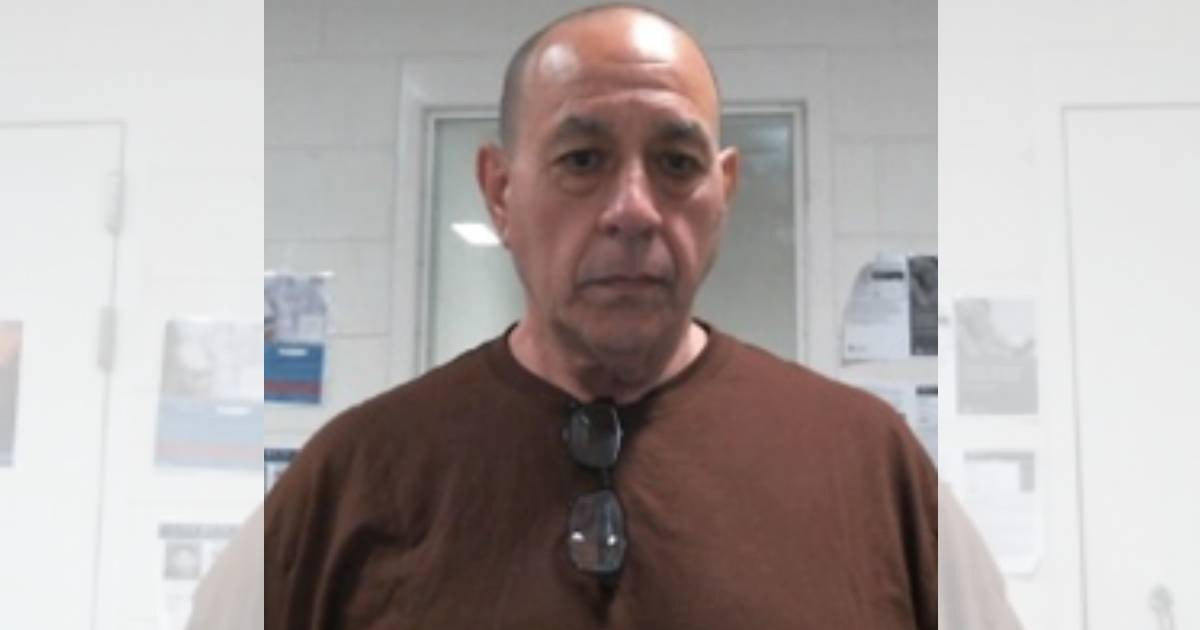
The U.S. Immigration and Customs Enforcement (ICE) has taken into custody Ulises Prieto, a Cuban national with a final deportation order dating back to 2007 and two convictions for cocaine trafficking, the federal agency announced.
ICE stated that Prieto will remain in immigration detention while the necessary procedures for his removal from the United States are completed.
In announcing the arrest, the agency underscored the Trump administration's firm stance on immigrants with criminal records.
"The United States maintains zero tolerance for criminal illegal aliens who introduce dangerous drugs into our nation," ICE declared in a statement.
The deportation order against Prieto had been unenforced for almost 19 years, during which time Cuba consistently refused to repatriate numerous citizens with criminal backgrounds.
This situation shifted in February 2026, when the Cuban regime, after negotiations with the Trump administration, agreed for the first time to accept deportees with serious criminal records, including drug traffickers, murderers, and kidnappers.
The inaugural flight under this new protocol, on February 9, 2026, transported 170 Cubans, approximately 50 of whom had records of serious offenses.
Since then, ICE has intensified efforts to locate and detain Cuban nationals with outstanding final orders of deportation.
According to the Department of Homeland Security (DHS), the arrests of Cuban migrants surged by 463% between October 2024 and January 2026.
Prieto's case is among several involving Cuban nationals apprehended in recent months. In May 2026, ICE arrested Eduardo Pérez Legrá, who had four drug trafficking convictions and a 2012 deportation order. In March, Aliosky Rosales Michelena was arrested in Detroit with convictions for drug trafficking, homicide, and armed robbery, and had an expulsion order from 2010.
Official data reveals that 42,084 Cuban citizens currently have pending final deportation orders in the U.S., with at least 29,000 of them having criminal records.
Since Donald Trump's return to the presidency, his administration has bolstered operations to execute these deportation orders, particularly focusing on immigrants with convictions for severe crimes.
The arrest of Ulises Prieto exemplifies this strategy and highlights the impact of the new repatriation agreement with Havana, which has facilitated the resumption of deportations that were previously obstructed by Cuba's refusal to accept the return of citizens with criminal histories.
Understanding ICE's Efforts and Cuban Deportations
What led to Ulises Prieto's arrest by ICE?
Ulises Prieto was arrested by ICE due to a longstanding deportation order from 2007 and his two convictions for cocaine trafficking.
How has the Cuban regime's stance on repatriation changed?
The Cuban regime agreed in February 2026 to accept deportees with serious criminal records after negotiations with the Trump administration.
What is the current status of Cuban deportation orders in the U.S.?
As of now, there are 42,084 pending final deportation orders for Cuban citizens in the U.S., with over 29,000 having criminal backgrounds.