"Without economic freedom, there is no political freedom." These words by Milton Friedman carry significant weight, suggesting that a person who relies entirely on the government for survival is unlikely to fully exercise their freedoms against authority.
Economic freedom transcends mere financial wealth or business ventures. It embodies the ability to work, innovate, produce, and reap the benefits of one's labor without political constraints dictating the limits of achievement. Such economic independence fosters empowered citizens, who can voice their opinions, defend their rights, and engage in public life without the fear of losing their livelihood.
The Tight Grip of State-Controlled Economies
Conversely, when the state monopolizes economic control, it invariably extends this influence over society. Those who decide employment opportunities, production, sales, imports, and prosperity wield a powerful tool to influence citizens' behaviors.
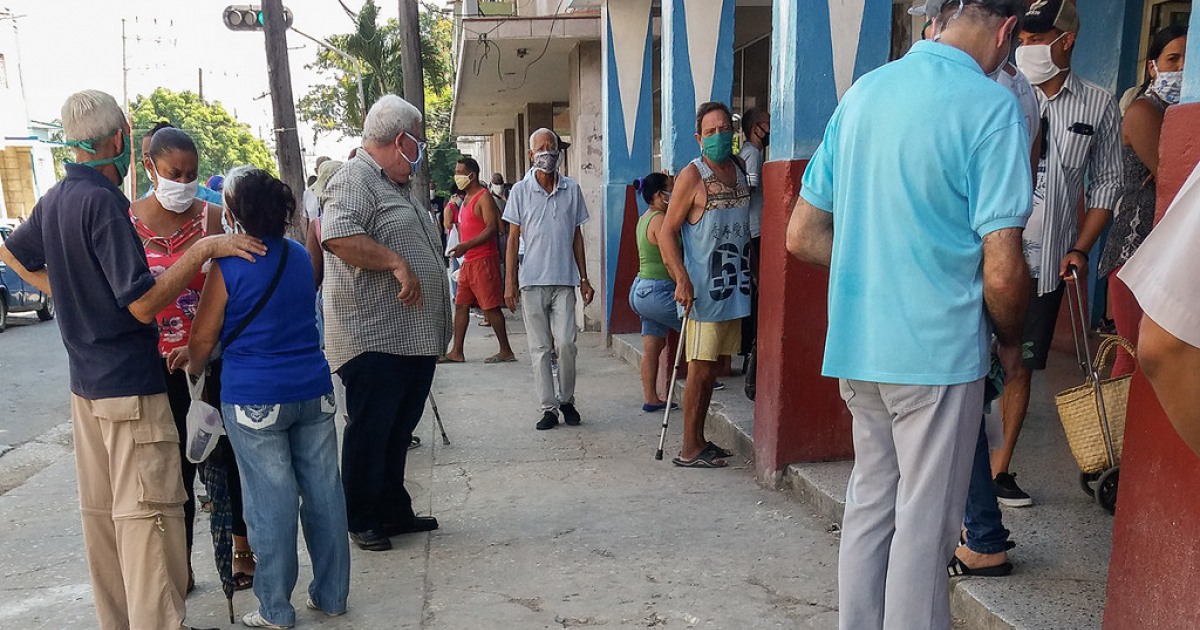
The history of Cuba over the past six decades starkly illustrates the link between economic and political spheres. Post-1959 policies transformed the government into the predominant employer, owner, and regulator of nearly all economic activities. For decades, private enterprise was nearly eradicated, tethering millions of Cubans to a system where employment, income, and opportunities were dictated by political powers.
Economic Dependence as Social Control
Under these conditions, economic reliance evolved beyond a material issue into a mechanism for social control. A citizen fearing job loss, business closure, or exclusion from opportunities may feel constrained in freely expressing critiques or demanding changes.
In contrast, societies with greater economic freedom typically nurture more independent institutions, stronger property rights, and broader citizen participation. Economic autonomy empowers individuals; dependency strengthens the authority managing resources.
The Cuban scenario underscores a crucial reality: state control over the economy translates to substantial influence over a nation's political life. Scarcity, bureaucracy, and dependency are not merely economic outcomes; they can serve as tools to curtail citizens' potential for autonomous action.
The Path to True Democracy
Democracy's roots are not solely in the act of voting. They are also in the freedom to work independently, pursue life projects, uphold personal beliefs, and sustain one's family without seeking governmental permission.
Political freedom necessitates independent citizens. And civic independence begins with a fundamental condition: the ability to live off one's own efforts.
Cuba reaffirms Friedman's cautionary message: without economic freedom, political freedom remains incomplete.
Understanding the Impact of Economic Control in Cuba
How does state control of the economy affect political freedom in Cuba?
State control of the economy restricts political freedom by limiting citizens' ability to act independently. It conditions job opportunities and resources, thereby influencing behavior and stifling dissent.
What historical examples illustrate the relationship between economic control and political power in Cuba?
Since 1959, Cuba's government has been the main employer and economic regulator, virtually eliminating private enterprise and tying citizens' livelihoods to state decisions, showcasing the intertwining of economic control and political power.